A day at the beach or a long walk under the summer sun leaves its mark on your skin: tightness, dryness, sometimes mild redness and a lingering feeling of warmth. In those moments, skin needs two things — to recover the moisture it lost, and gentle comfort to help it rebalance. This is exactly where Moroccan argan oil earns its place in an after-sun routine.
What happens to skin after sun exposure?
Even with sunscreen, prolonged exposure to sunlight, heat, wind, and salt evaporates much of the water held in the skin's surface layers and temporarily weakens its protective barrier. The result is dry, dull skin that may start peeling a few days later — especially if you skip moisturizing that same evening.
Why argan oil in particular?
Its composition suits post-sun skin remarkably well:
- Nourishing fatty acids: they help support the skin barrier and limit water loss through the skin.
- Vitamin E: a well-known antioxidant that helps protect skin cells from oxidative stress.
- A soothing character: in Morocco, the oil has traditionally been valued for softening and comforting tired skin.
- Comfortable absorption: its non-heavy texture feels pleasant on skin that is still warm after a long day.
A simple evening routine after a sunny day
- Rinse with lukewarm water: to remove sweat, salt, and sunscreen residue without further stressing the skin.
- Pat dry gently: never rub, and leave the skin slightly damp.
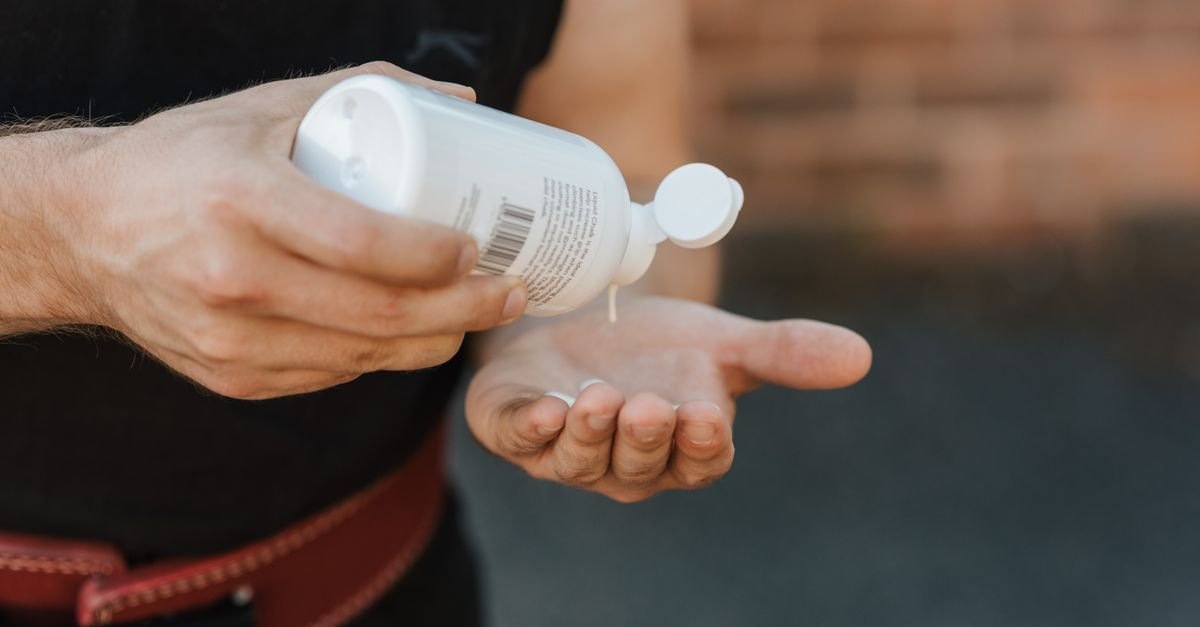
- Moisturize right away: apply a few drops of argan oil to the face and dry areas, or mix them into your usual moisturizer for a richer effect.
- Drink plenty of water: skin hydration starts from the inside too.
An important caution: when not to use oil
If you have an actual sunburn — strong redness, pain, or blisters — do not apply oils directly. Real burns call for cooling with lukewarm water, dedicated products, and medical advice in severe cases. Argan oil is suited to ordinary post-sun dryness and fatigue; it is not a burn treatment. And it never replaces sunscreen: it is aftercare, not protection.
Extra touches travelers love
- Blend a few drops of oil into aloe vera gel for a hydrating, soothing after-beach treatment.
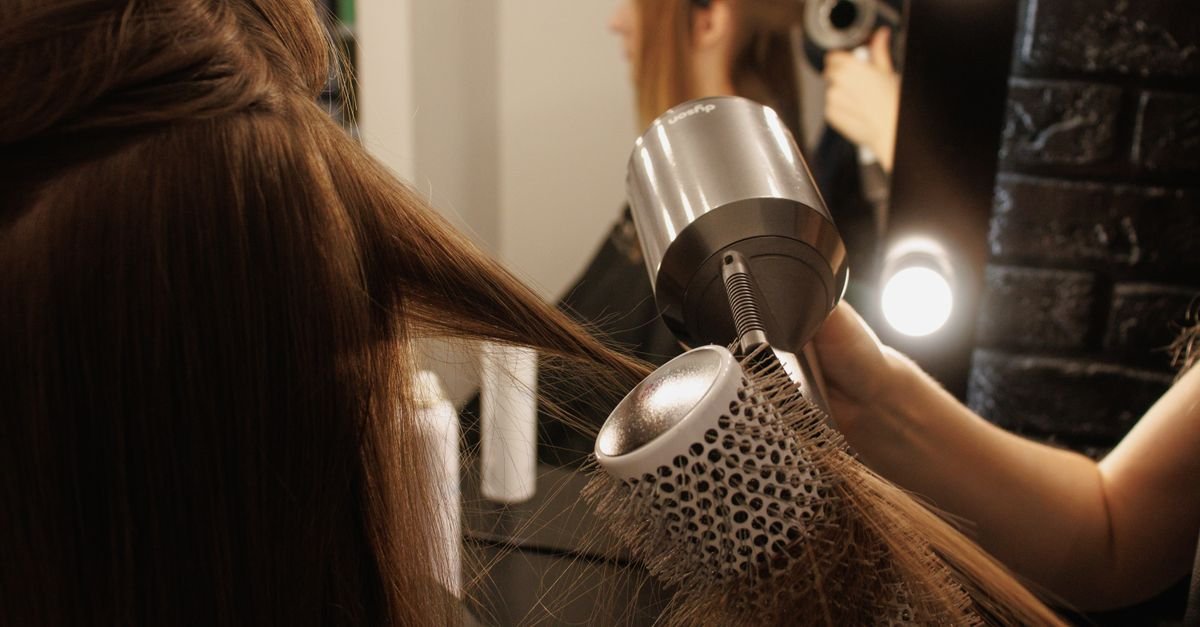
- Do not forget your hair: sun and salt dry it out too, and a few drops on the ends restore softness.
- Lips, elbows, and heels take the hardest hit in summer — a single drop of oil makes a noticeable difference.
Choosing an Argan Oil Suited to After-Sun Use
Not every argan oil behaves the same way. Cosmetic argan oil, cold-pressed from raw kernels, keeps a faint nutty scent and a slightly golden color, while deodorized argan oil goes through an extra step that strips most of the smell — useful if you prefer an odorless oil in a body lotion or blend. For after-sun care, either version works well; the choice mostly comes down to personal preference for scent and how you plan to use it. Brands formulating after-sun gels often favor deodorized oil so it does not compete with added fragrance.
Frequently Asked Questions
Can argan oil be applied before sun exposure?
Argan oil is not a sunscreen and offers no measurable SPF protection, so it should never replace sun protection products before going outdoors. It belongs in the evening routine, after cleansing, not as a pre-sun layer.
Will it leave my sheets or clothes greasy?
A few drops absorb within minutes on clean, slightly damp skin, leaving a light finish rather than a heavy film. Waiting a couple of minutes before dressing or going to bed is usually enough to avoid transfer.
How long does an opened bottle stay good?
Like any natural oil, argan oil is sensitive to light, heat, and air. Keep the bottle tightly closed, away from direct sunlight and bathroom humidity, and use it within the timeframe indicated on the packaging for the best sensory experience.
Assil Ouargane, a manufacturer in Morocco, produces natural argan oil and skin and hair care formulations, and offers private-label manufacturing for brands looking to launch after-sun and summer care lines. Contact us through our website to request a quote.