
You open a new batch of argan oil and the color is a little darker, or the aroma milder, than the last one. Did the supplier change something, or has the oil gone off? The answer is rarely simple: argan oil is a natural agricultural product and carries the mark of its season, origin and processing.
This guide is for brand owners and distributors. It explains what normally changes between batches, what justifies rejection, and how to write a purchasing specification that makes variation predictable.
What can change between two batches
- Color: from pale yellow to golden, up to amber.
- Aroma: a light nutty, plant-like note in unroasted cosmetic oil; stronger and more roasted in culinary oil.
- Clarity: perfectly clear or slightly hazy, especially in cold weather.
- Flow: shifts a little with temperature.
Causes of natural variation
Raw material and harvest season
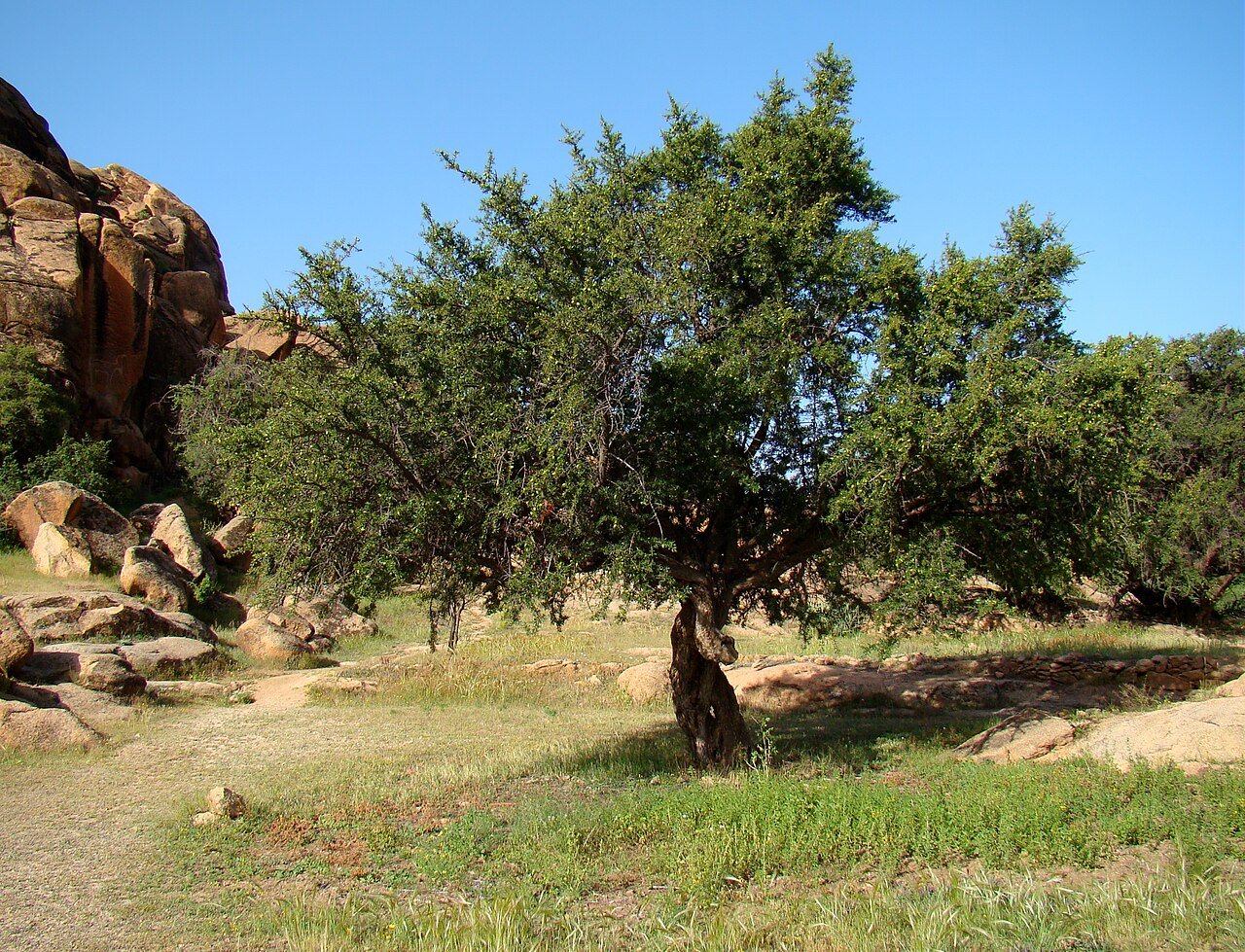
Fruit is gathered from wild trees. Rainfall, ripeness and drying conditions differ by area and by year, which explains part of the subtle differences in color and scent. See also our article on argan oil traceability and batch records.
Extraction method
Culinary oil comes from roasted kernels, so it is darker and more aromatic. Cosmetic oil is pressed from unroasted kernels and is lighter and milder. Never compare a cosmetic batch with a culinary one.
Filtration and settling
How long the oil rests and how it is filtered determine final clarity.
Age and storage
Light, heat and air change oil over time. A slight color shift may come from long storage, but it can also be an early sign of oxidation.
When it stops being natural variation
A practical rule: a difference in degree may be normal; a difference in nature needs investigation.
| Observation | Often normal | Check or reject |
|---|---|---|
| Color | Shade between light gold and amber within the same type | Very dark or brownish with a sharp smell |
| Aroma | A nutty note a bit weaker or stronger | Rancid, bitter, metallic or paint-like smell |
| Clarity | Slight haze that clears at room temperature | Water, persistent sediment or foreign particles |
| Fragrance | None added | Strong unexplained perfume, a possible sign of additives |
If you suspect rancidity, see our guide to argan oil oxidation and rancidity signs.
How to secure consistency
- Write a precise specification: oil type, extraction method, acceptable color, aroma and clarity range, certificate of analysis parameters, packing and storage conditions.
- Keep a sealed reference sample from every accepted batch and compare each new arrival against it, in identical clear glass under the same light.
- Require a certificate of analysis per batch to tie sensory impressions to measurements.
- Agree in advance what happens when a batch falls outside the range: re-testing, replacement or documented conditional acceptance.
Incoming batch check
- Record batch number, date and container condition before opening.
- Let the sample reach room temperature.
- Compare color with the reference.
- Describe the aroma in specific terms, not general impressions.
- Confirm the batch number on the certificate matches the container.
- If something is off, photograph it and contact the supplier before filling begins.
Effect on your finished product
If you sell the oil alone in a clear bottle, customers will notice shade differences: use tinted glass or honest wording that explains it is a natural product. If the oil goes into a formula or a scented product, test each raw batch before production.
FAQ
Does darker color mean better quality?
No. It may come from roasting, raw material or aging. Judge by the spec, the certificate and sensory checks together.
Is smell enough to judge purity?
No. It helps detect rancidity or added fragrance, but it does not prove purity. Rely on analyses and traceability.
Is heavier filtration always better?
It improves clarity, but clarity alone is not a quality measure. What matters is that the oil is not exposed to excessive heat.
How much variation is acceptable?
There is no universal figure. It is agreed between buyer and supplier and written into the specification.
Build consistency into your agreement
Natural variation does not disappear, but it can be managed with a clear specification, a reference sample and documents for every batch. If you are planning argan oil supply for your brand, we are happy to discuss it: request a quote at assilouargane.com/quote.