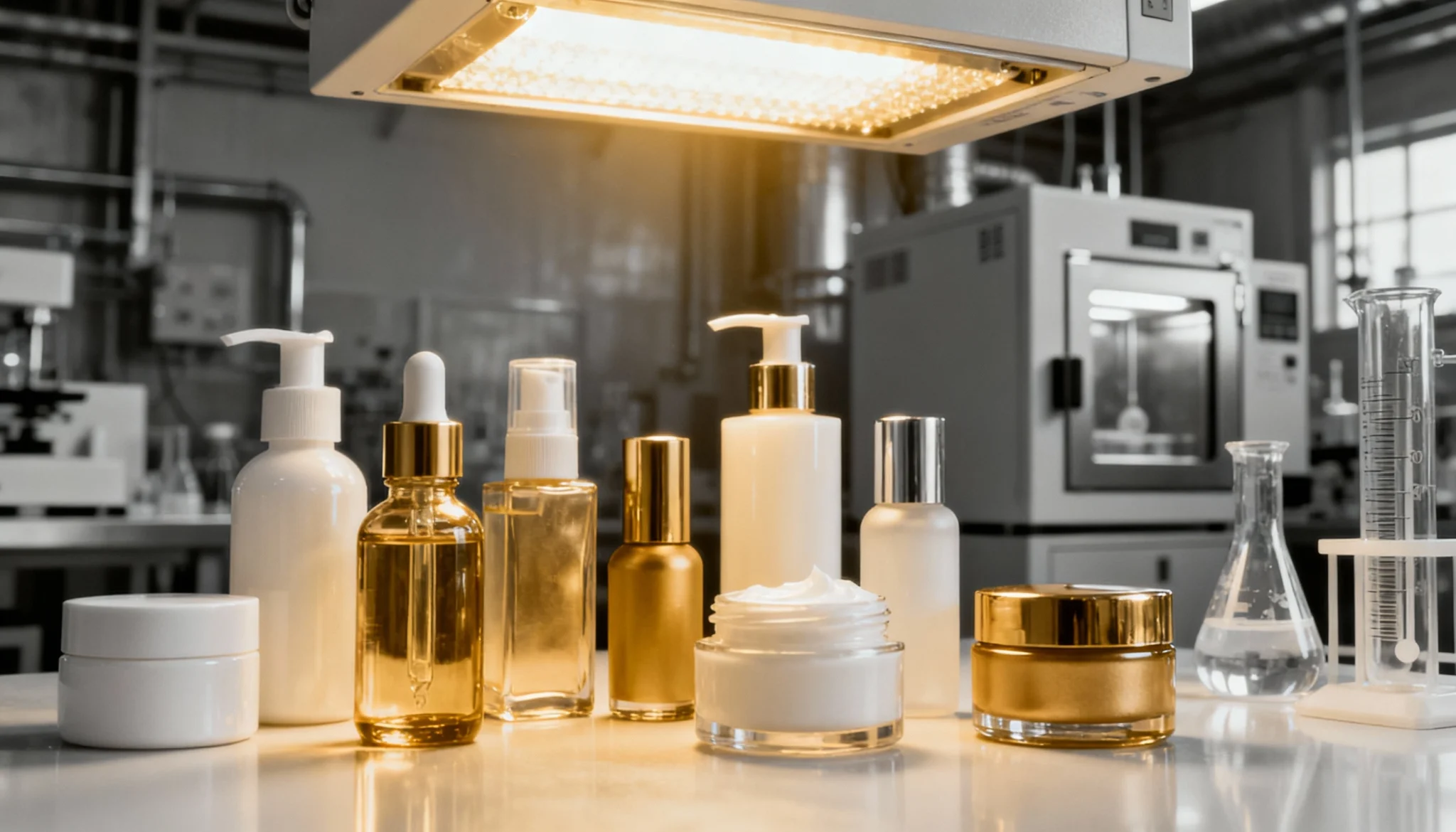
Few ingredients have reshaped the hair-care market the way argan oil has. Since the global beauty industry discovered it, it has become the hero ingredient in hundreds of serums. But not all serums are equal: some contain a meaningful share of the Moroccan oil, others little more than the name. This article is for brands that want to build an argan hair serum worthy of consumer trust.
Why Argan Oil Suits Hair Serums
Argan oil has a relatively light feel compared with other rich oils, and a long traditional reputation for smoothing the hair fibre, adding shine and taming frizz. Its natural vitamin E content also makes it a logical choice for hair exposed to heat styling and daily wear.
Three Main Types of Argan Serums
1. The Pure Oil Serum
A blend of oils only, with argan as the lead ingredient or paired with light carrier oils. Its short ingredient list appeals to natural-beauty customers, and it is typically applied to dry ends.
2. The Silicone-plus-Argan Serum
The most common commercial format: silicones deliver instant slip and gloss, while argan brings its natural value and story. Argan levels here usually range from 1% to 10% depending on positioning.
3. The Lightweight Water-Based Serum
Fine emulsions or bi-phase serums suited to fine hair that pure oils weigh down, with modest, well-controlled argan levels.
Formulation Points to Watch
- Oil grade: use cosmetic-grade cold-pressed oil, virgin or deodorized depending on the fragrance plan.
- Stability and oxidation: protect the formula with suitable antioxidants and opaque or tinted packaging.
- Final skin and hair feel: balance nourishment and shine against any heavy, greasy residue.
- Label honesty: the argan percentage you claim should reflect reality; today's consumers read the INCI list.
From Idea to Shelf: The Manufacturing Partner's Role
A successful serum takes more than a good recipe: a reliable oil source with certificates of analysis, a stable formula, shelf-life testing and packaging suited to your target market in the Gulf, Europe or beyond. The right manufacturing partner saves you months of trial and error.
Frequent Questions from Brand Owners
Virgin or deodorized for a serum?
If the serum is fragranced, deodorized oil gives you full control of the scent signature. Raw, natural-positioned serums, on the other hand, benefit from virgin oil's original aroma, which their audience reads as proof of authenticity.
What is the ideal packaging?
Tinted glass with a dropper remains the classic for premium oil serums, while pumps suit larger formats and quick daily use. Either way, the essentials are protecting the contents from light and air.
How long does private-label serum development take?
With a partner holding proven base formulas, you can move from pilot samples to production in a matter of weeks. A fully custom formula needs more time for stability and shelf-life testing, an investment worth making for a product that will carry your name for years.
Assil Ouargane, a manufacturer in Morocco, produces argan oil at the source and offers private-label manufacturing of hair-care products, from formula to finished bottle. Request a quote through our website and start your serum project on solid ground.