Between those who call argan oil a miracle and those who dismiss it as a fad, scientific research occupies a calmer middle ground. Morocco's famous oil has been the subject of a growing number of studies in recent decades, covering its chemical composition and its cosmetic and dietary uses. Here is an honest overview of what researchers have established, in plain language.
What we know with confidence: the composition
The best-documented aspect of argan oil is its makeup. Laboratory analyses consistently show that the oil consists mostly of unsaturated fatty acids — chiefly oleic acid (omega-9) and linoleic acid (omega-6) — alongside notable active compounds:
- Tocopherols (vitamin E): at remarkable levels compared with common vegetable oils.
- Plant sterols: with a profile that is rare among oils.
- Polyphenols and squalene: well-known antioxidant compounds.
This documented composition is the scientific foundation behind most of the oil's traditional uses.
Research on cosmetic uses
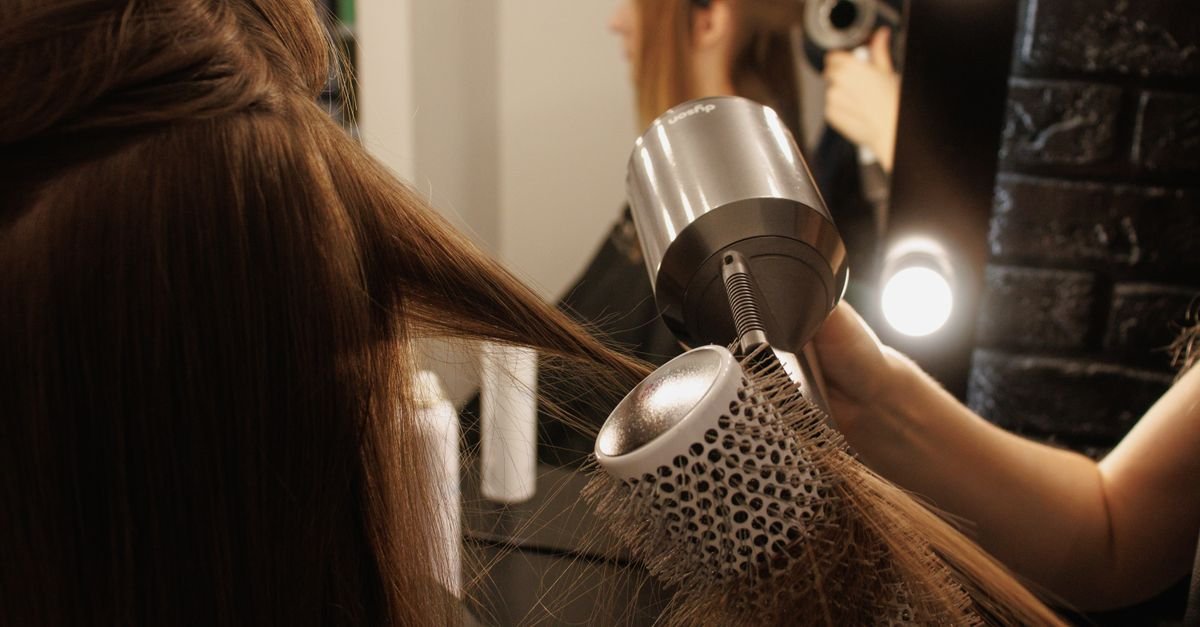
Several studies have examined argan oil's effects on skin and hair. Their findings suggest that regular topical use may help improve skin hydration and elasticity and support the skin's protective barrier. For hair, researchers have looked at its role in coating the fiber and protecting it from protein loss during styling. The results are encouraging, but large clinical trials remain limited — a common situation in natural-ingredient research.
Research on dietary use
Culinary argan oil has been part of Moroccan cuisine for centuries, and researchers have taken interest in its place within diets rich in unsaturated fats. Studies explore the relationship between its regular consumption and general health indicators, in the context of a balanced diet. As always in nutrition science, firmer conclusions need more long-term research, and no single food should ever be treated as a complete health solution on its own.
How to read the evidence wisely
- Separate the established from the probable: the rich composition is a laboratory fact; individual benefits vary from person to person.
- Beware of treatment language: any product claiming to cure diseases has gone beyond what science supports. The accurate phrase is always: may help.
- Quality is a precondition: most studies used pure, cold-pressed oil; adulterated oil is simply not covered by those findings.
What this means for consumers and brands
For consumers, argan oil is a natural ingredient with a scientifically documented composition and a long, generally safe history of use. For brands, it is an ingredient around which products can be built with responsible, honest claims — exactly what today's informed consumer is looking for.
How Researchers Actually Study Argan Oil
Most published work on argan oil falls into a few broad categories: laboratory analysis of its fatty acid and antioxidant profile, in vitro tests on skin cells or hair fibers, small-scale trials with human volunteers measuring hydration or elasticity, and occasional consumer-perception studies on sensory qualities like texture and scent. Each method answers a different question, and none alone proves a marketing claim — which is exactly why responsible brands combine several types of evidence rather than citing a single study out of context.
Traditional Knowledge and Modern Science, Side by Side
Long before laboratories existed, generations of Amazigh women in Morocco refined the extraction and use of argan oil through careful observation. Modern research does not replace that knowledge; it tests it, sometimes confirming what tradition already suggested and sometimes narrowing the claims to something more precise. The two sources of insight work best together rather than in competition.
What buyers should ask a supplier for
Brands sourcing argan oil for their own formulations can ask suppliers for a certificate of analysis per batch, confirming fatty acid profile and purity, rather than relying on general research citations alone. Documentation at the batch level is what turns broad scientific context into an accountable, traceable ingredient.
Assil Ouargane, a manufacturer in Morocco, produces pure argan oil documented with laboratory certificates of analysis for every batch, and offers private-label manufacturing for brands that want to build on sound scientific ground. Request a quote through our website.