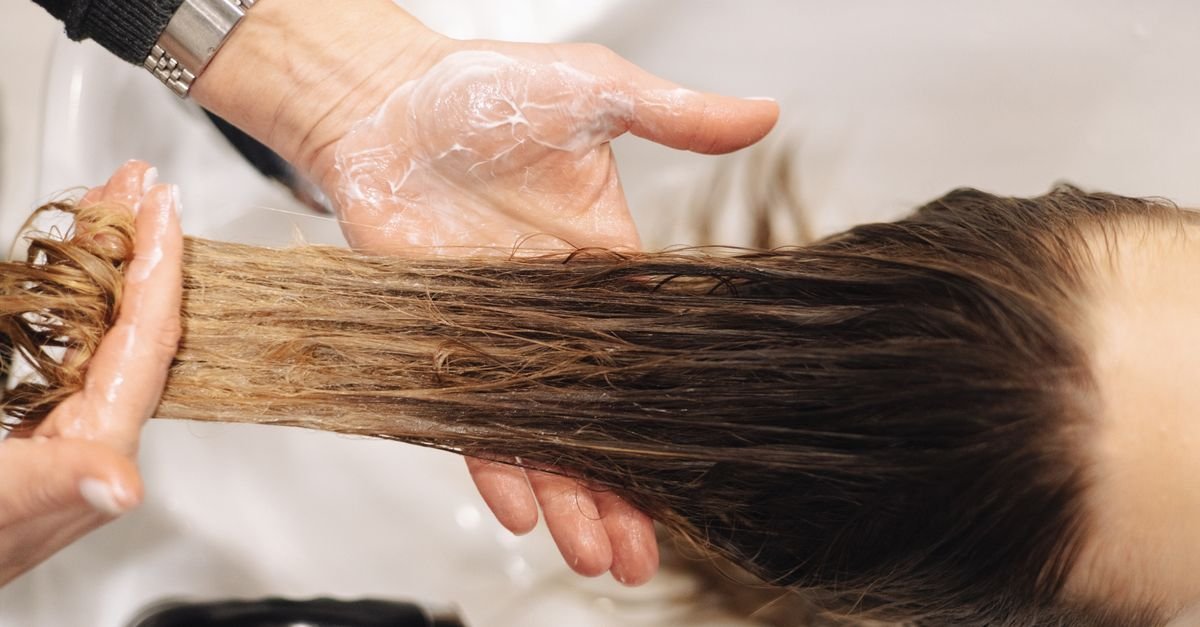
Low-porosity hair has a tightly closed cuticle layer, which makes it hard for water and oils to penetrate the strand. The familiar result is products sitting on the surface, a heavy or greasy feel, and no real hydration underneath. The answer is not to give up on oils, but to choose the right lightweight ones and apply them in a way that helps them absorb.
How to Know You Have Low-Porosity Hair
A few simple signs help you identify your hair type before choosing a product:
- Water beads up and takes a long time to fully soak the hair.
- Products build up on the surface and leave a greasy finish.
- Hair takes a long time to dry after washing.
- A strand placed in a glass of water floats for a while before sinking.
The Best Lightweight Oils for Absorption
The key is smaller molecules that slip into the cuticle instead of sitting on top of it:
- Argan oil: relatively light, rich in fatty acids and vitamin E, it adds shine without weighing hair down.
- Jojoba oil: close in structure to the scalp's natural sebum, so it absorbs easily.
- Grapeseed oil: very light and ideal for hair that gets weighed down quickly.
- Sweet almond oil: hydrates gently and suits daily use in small amounts.
How to Apply So Oils Actually Absorb
Low-porosity hair benefits from gentle warmth that temporarily opens the cuticle:
- Apply oil to warm, damp hair, not soaking wet or fully dry.
- Use a very small amount and start from the ends, working upward.
- Warm the oil between your palms before applying to thin its texture.
- Wrap your hair in a warm towel for a few minutes to help absorption.
Common Mistakes to Avoid
Most low-porosity hair problems come from overdoing it, not from a lack of care:
- Heavy oils like raw shea butter or pure castor oil tend to stay on the surface.
- Using too much causes buildup, heaviness, and a dull look.
- Applying to cold, dry hair greatly reduces absorption.
- Skipping a regular deep cleanse lets residue accumulate over time.
A Simple, Balanced Routine
Your hair doesn't need a lot, it needs consistency. Apply a few drops of a light oil right after washing to warm, damp hair, and use a gentle clarifying wash once a week. Watch how your hair responds after each use and adjust the amount instead of automatically adding more.
The quality of the oil itself makes a real difference in the result. Pure, natural Moroccan oils like argan and jojoba, when carefully extracted and bottled to precise standards, keep their light texture and effectiveness. That's why brand owners rely on a trusted Moroccan manufacturing partner like Assil Ouargane to produce hair-care oils under their own labels, with authentic quality worthy of their customers' hair.