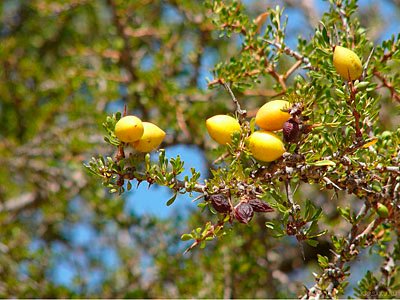
Many people assume argan oil is a single product, but there are really two fundamentally different versions that begin with the same fruit and end up in two separate worlds: the kitchen and the bathroom shelf. The difference is not in the packaging but in the production itself, which shapes the aroma, the color and the use. Understanding this distinction is essential for any brand owner who wants to launch an honest product that fits its audience.
It all starts with roasting the kernels
The dividing line between the two versions comes down to a single step: roasting the kernels. Culinary oil is extracted from carefully roasted kernels, and that roasting gives it a strong nutty aroma, a darker color and a rich flavor. Cosmetic oil is extracted from unroasted kernels, coming out lighter in color and scent, because the goal here is to keep the oil pure for use on skin and hair without any overpowering smell.
Aroma, color and texture
These sensory differences help you tell them apart quickly:
- Culinary: deep golden to light brown color, clear toasted-nut aroma, warm flavor.
- Cosmetic: light golden yellow, very faint scent that fades fast, light texture that glides on skin.
Both versions are cold-pressed to preserve their properties, but it is the roasting before pressing that creates all the difference.
Different uses
Culinary oil is most often used raw: drizzled over couscous, salads and bread, and as the core ingredient in the famous amlou made with almonds and honey. Cooking it at high heat is not recommended, as that would lose its flavor and value. Cosmetic oil belongs to care: hydrating skin, nourishing hair, strengthening nails, and going into creams, soaps and natural formulations.
The benefits of each type
Both are rich in fatty acids and vitamin E, but the direction of the benefit differs. Culinary oil offers nutritional value at the table and a distinctive flavor that is hard to imitate. Cosmetic oil delivers deep hydration, supports skin elasticity and protects hair from dryness. Choosing the wrong type for your product means delivering an experience that does not meet the customer's expectations, even if the oil is perfectly pure.
How a brand chooses the right one
The decision starts with defining the final product and its audience. Ask yourself:
- Is the product aimed at cooking and nutrition, or at skin and hair care?
- What story does your brand want to tell: the authenticity of Moroccan cuisine, or natural care?
- What packaging and price positioning suit this specific type?
Some brands launch both lines to cover the table and the vanity, but success begins with clarity: one type, one goal, one message.
Choosing the right type and producing it to the quality you need becomes far simpler when a Moroccan manufacturer who masters both versions stands beside you. Working with a production partner like Assil Ouargane helps you turn your idea into a finished product, whether its destination is the kitchen or the daily care routine.