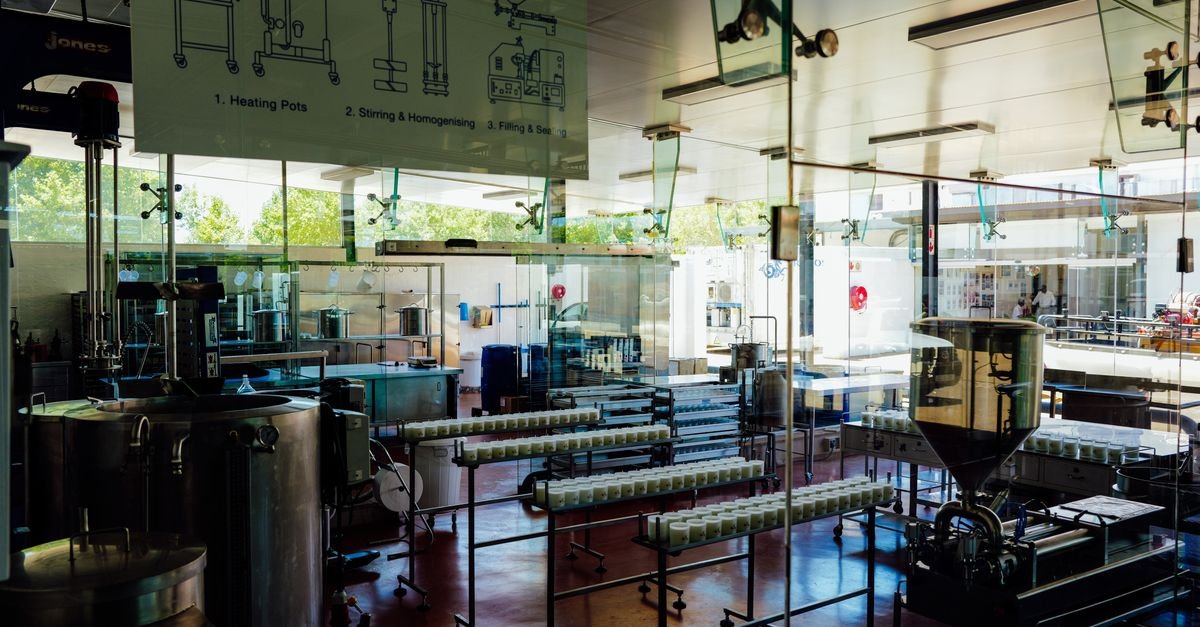
Many brands judge a factory by sample quality and unit price, then discover six months later that their second order is sitting in a queue. Production capacity is not a single number; it comes from raw material, the filling line, packaging components and quality checks working together. This guide shows how to assess it and plan your growth so the factory does not become your bottleneck.
Why it matters before you need it
When a campaign works or a distributor opens a new market, demand can double within weeks, while manufacturing takes time that phone calls cannot shorten. A factory at full capacity must delay other customers or cut corners on checks. The right question is not "can you make my order?" but "how far can I grow with you this year without quality or lead times changing?"
Three constraints that set real capacity
1. Raw material availability
Argan oil is a seasonal agricultural product. A plant may fill bottles quickly yet be limited by the volume of approved oil on hand. Ask where current stock comes from, how much is already reserved for other clients, and how supply is secured between seasons.
2. The filling and packing line
Filling, fitting the dropper or pump, capping, labeling, batch coding and outer packing all happen in sequence, and the slowest step sets the pace. Changing bottle size or closure takes setup time, which weighs heavily on small runs.
3. Packaging components
Glass bottles, closures, labels and cartons usually come from other suppliers with their own lead times. The oil can be ready in a week while bottles take weeks. Ask who buys components and who holds safety stock.
Questions to ask the factory
- What is the typical lead time for a first order versus repeat orders?
- Do you hold approved oil in stock or produce to order?
- How do you handle a sudden order far above a customer's usual size?
- Are there busy periods during the year?
- Can a large order be split into staged deliveries with consistent quality?
- Do quality checks stay in place when the schedule is tight?
How to read the answers
| What they say | Likely meaning | What to do |
|---|---|---|
| "Any quantity, any time" | Unconsidered answer | Ask for specific days and stock |
| "Schedule is full until a certain date" | Honest about limits | Book early or split the order |
| "We need your forecasts" | Serious planning | Provide written estimates |
Numbers vary by product, packaging and volume, so ask for detailed answers in writing.
Six steps to plan growth with your factory
- Write a twelve-month forecast with a cautious and an optimistic scenario.
- Share it early with the factory.
- Agree an order window and a last date to change quantities.
- Consider a partial reservation with written conditions. An annual agreement can frame this, as covered in our article on the annual supply agreement.
- Spread risk through staged deliveries.
- Review quarterly: promised versus actual lead times.
Warning signs
- Very short lead times promised without questions about your order.
- No clear description of where available oil comes from.
- Checks shortened to meet your date.
FAQ
Must I order a large quantity to secure a slot?
Not necessarily. Sharing forecasts and agreeing a reservation mechanism matters more than a big order that ties up your cash.
How can I tell if a factory is at full capacity?
Compare current lead times with usual ones and ask for the first available date. Unexplained stretching is a signal.
Does capacity differ by pack format?
Yes, depending on bottle, dispensing system and packing. Be specific about your SKUs.
Bottom line
A good factory does not say yes to everything; it tells you its limits and helps you plan within them. See how we work, then request a quote from Assil Ouargane and share your growth forecasts.