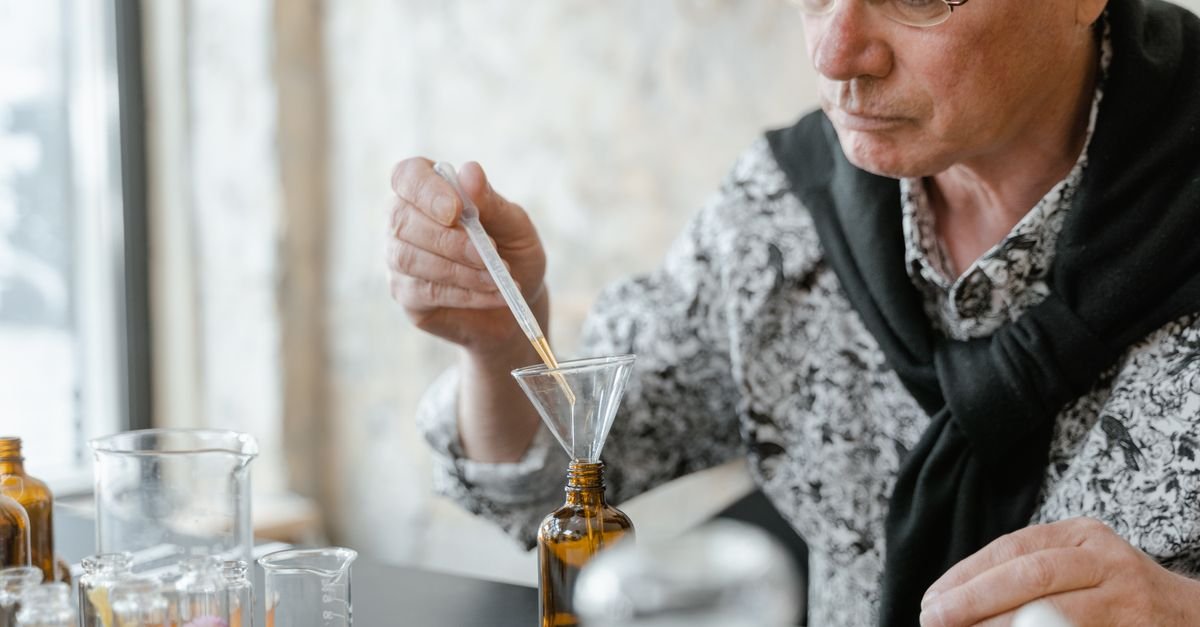
When a cream, lotion or body butter reaches production, a seemingly technical question shapes the final quality and shelf life: do you add argan oil with the hot oil phase, or wait until the mixture cools? The answer is not the same for every formula, but it follows clear logic that any brand owner can understand and discuss with a manufacturer.
For the ratios themselves, see our guide to argan oil blending ratios for formulators.
Why heat matters
Argan oil is rich in unsaturated fatty acids, mainly oleic and linoleic acid, and their proportions vary slightly between batches. It also contains tocopherols (vitamin E), which help resist oxidation. That profile is what makes it valuable, and also what makes it somewhat sensitive: the more heat, heating time and air contact, the more likely oxidation and changes in scent and colour become.
Moderate, short heating does not automatically ruin the oil. Many creams are made with phases heated to moderate temperatures and remain stable. What matters is that temperature and time are known, recorded and confirmed by stability testing.
What heat actually does
- Faster oxidation, especially with long heating or vigorous stirring that draws in air.
- A softer nutty scent in virgin oil.
- Darker colour after excessive heat.
- Use of natural antioxidants, leaving less margin for shelf life.
Hot phase or cool-down?
| Product type | Usual placement | Notes |
|---|---|---|
| Serum or water-free oil blend | Cold or gently warmed | No heating needed |
| Cream or lotion (emulsion) | Part in oil phase, part at cool-down | Depends on oil level and emulsifier |
| Body butter | After butters melt, temperature lowered | Avoid leaving the oil hot too long |
| Lip balm or solid product | After waxes melt, heat reduced | Fast cooling in moulds helps texture |
| Shampoo or cleanser | Often at cool-down | Surfactant compatibility is decisive |
These are common practices, not rules. The final call belongs to the formulator, who knows the emulsifier system and the melting points of the waxes and butters.
Practical steps to limit the impact
- Identify the minimum temperature needed to melt the most demanding solid ingredient.
- Shorten the heating time and record it.
- Hold back part of the oil if the formula allows.
- Limit air incorporation while mixing.
- Ask the formulator whether an added antioxidant is needed and compatible with your claims.
- Fill quickly into a dark, tightly closed container; see our signs of oxidation and rancidity.
Virgin or deodorised oil
Virgin oil keeps its scent, so heat effects show more clearly. Deodorised oil is sometimes chosen for a neutral scent, but it is not immune to heat. In both cases, testing decides.
Validate with testing
Request a pilot batch using two addition methods (hot phase versus cool-down), then compare colour, scent, texture and oxidation indicators over a period matching your intended shelf life. The general framework is in our guide to stability testing for cosmetics.
Questions for your manufacturer
- What is the oil-phase temperature and for how long?
- Can part of the oil be added at cool-down?
- How is each step recorded in the batch record?
- Does stability testing compare both addition methods?
FAQ
Does argan oil spoil if heated?
Not automatically with moderate, short heating, but high or prolonged heat speeds oxidation.
Is there one safe temperature?
No. It depends on the waxes, butters and emulsifier, and should be set with the formulator and confirmed by testing.
Should the oil always go in at cool-down?
No. Some formulas need the hot phase to blend butters evenly.
Does heating affect product claims?
It can change scent and stability, so only claim what testing supports.
If you plan an argan oil cream or body butter made with controlled heat and tested before production, read about how we work, then request a quote at assilouargane.com/quote.