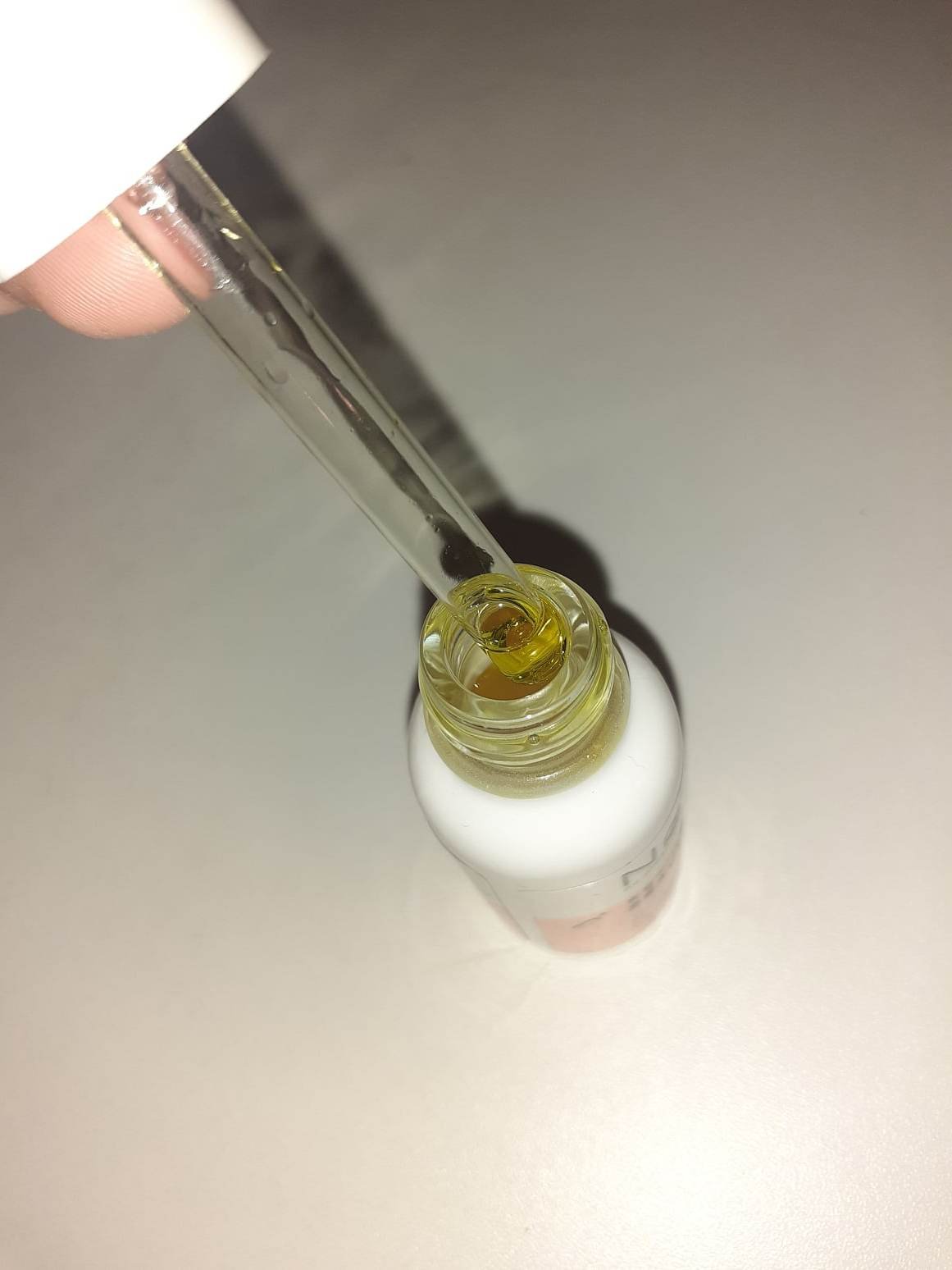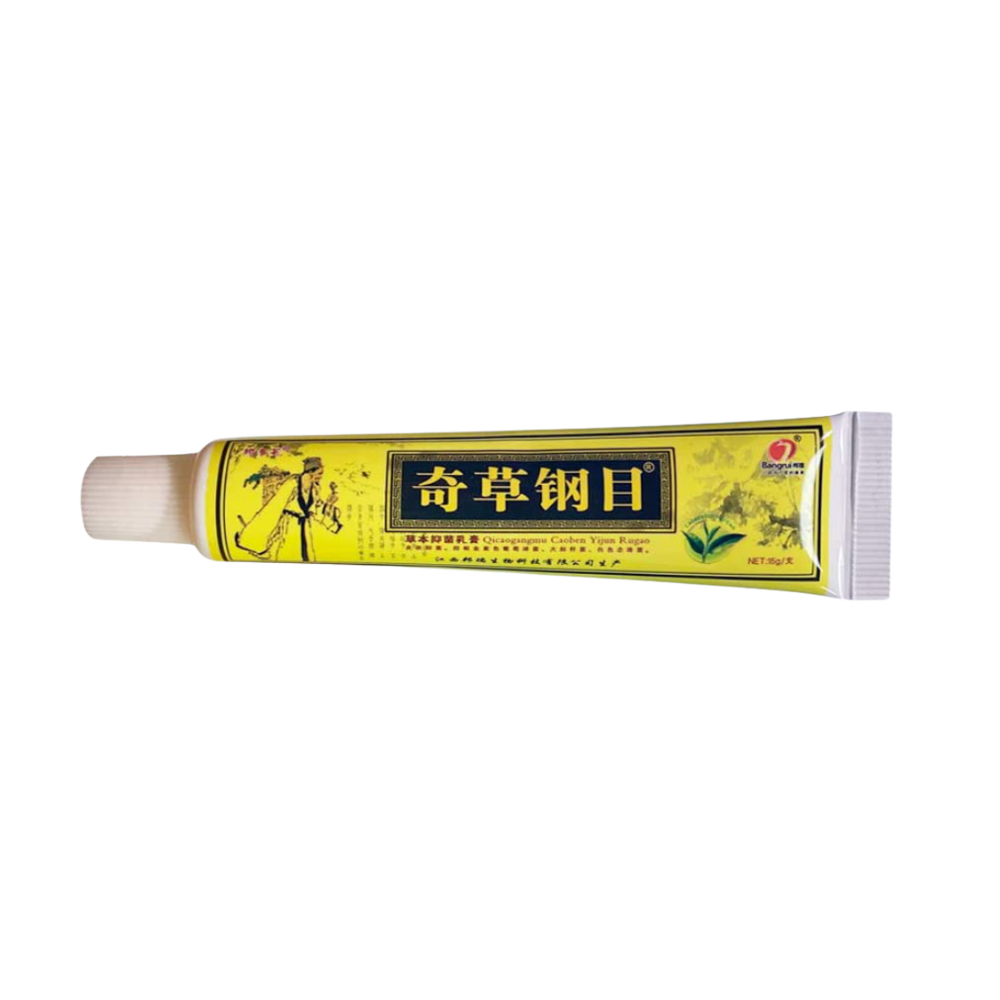

Words like natural, clean, and organic are everywhere now, yet they don't always mean the same thing. Some brands use them as a marketing front with no real substance, which is what we call greenwashing. The good news is that you can learn to read products smartly and tell the authentic from the misleading.
Read the ingredient list first
The front of the bottle sells you a dream; the truth lives in the ingredient list on the back. Ingredients are ordered from most concentrated to least, so if water and fillers come first while the advertised natural ingredient sits near the end, its share is tiny.
Signs of greenwashing
Greenwashing relies on suggestion more than proof. Watch for these signals.
- Green colours and plant imagery with no actual natural ingredient in the formula.
- Vague, undefined words like pure or from nature with no details.
- Highlighting the absence of one harmful ingredient to distract from other questionable ones.
- Big claims with no certification or transparency about the source.
Understand certifications and sourcing
Trustworthy certifications inspire more confidence because they involve third-party oversight. Ask where the ingredients come from and how they are extracted. A product that clearly states the origin of its oils, their country of origin, and how they are pressed is more trustworthy than one that relies on shiny slogans.
Simplicity and transparency are your best guides
A short, readable formula is often more honest than a long, complicated one. A good product hides nothing: it names its ingredients, their key proportions, and their origin without overselling. Trust the one that tells you the truth, not the one that only tries to dazzle.
Ultimately, transparency begins with manufacturing itself. Brand owners who want genuinely clean products start with a reliable partner that guarantees the authenticity and quality of the ingredients. A Moroccan manufacturer like Assil Ouargane supplies argan oil and certified natural skincare with a clear origin, giving a brand an honest foundation on which to build its customers' trust.