
On the slopes of Morocco's mountains and across its aromatic plains grows wild thyme, carrying the warm, powerful scent familiar to anyone who has walked through a Moroccan herb souk. « Zaitra », as many Moroccans call it, is more than a seasoning: it has featured in winter tea, folk recipes and herbalists' stalls for centuries.
Morocco's Thyme: A Rich Wild Diversity
Several species of wild thyme grow in Morocco, and many mountainous regions are renowned for the quality of their aromatic herbs. High-altitude thyme, hardened by strong sun, concentrates its essential oils, giving it a more intense aroma and flavour than varieties grown in gentler conditions. It is usually hand-picked in specific seasons, then dried in the shade to preserve its qualities.
Benefits Rooted in Folk Tradition
Moroccan culture links thyme to several traditional uses — inherited practices that never replace professional advice:
- Winter comfort: thyme infusion, on its own or in tea, is traditionally appreciated for the warmth and comfort it brings on cold days.
- Digestive ease: a cup of thyme after a heavy meal is a well-rooted habit in many homes.
- Natural freshness: thyme leaves contain essential oils such as thymol and carvacrol, natural compounds well documented in aromatic-plant research.
Thyme in the Moroccan Kitchen
- In tea: a few sprigs in the teapot give green tea a warm mountain note, especially in winter.
- In olive oil: dried thyme steeped in olive oil makes a fragrant dressing for bread and salads.
- In cooking: it seasons grilled chicken, tagines and vegetable dishes.
- With honey: thyme honey is one of Morocco's most distinctive honeys, with a bold flavour and dark colour.
Thyme Honey: The Crown of the Table
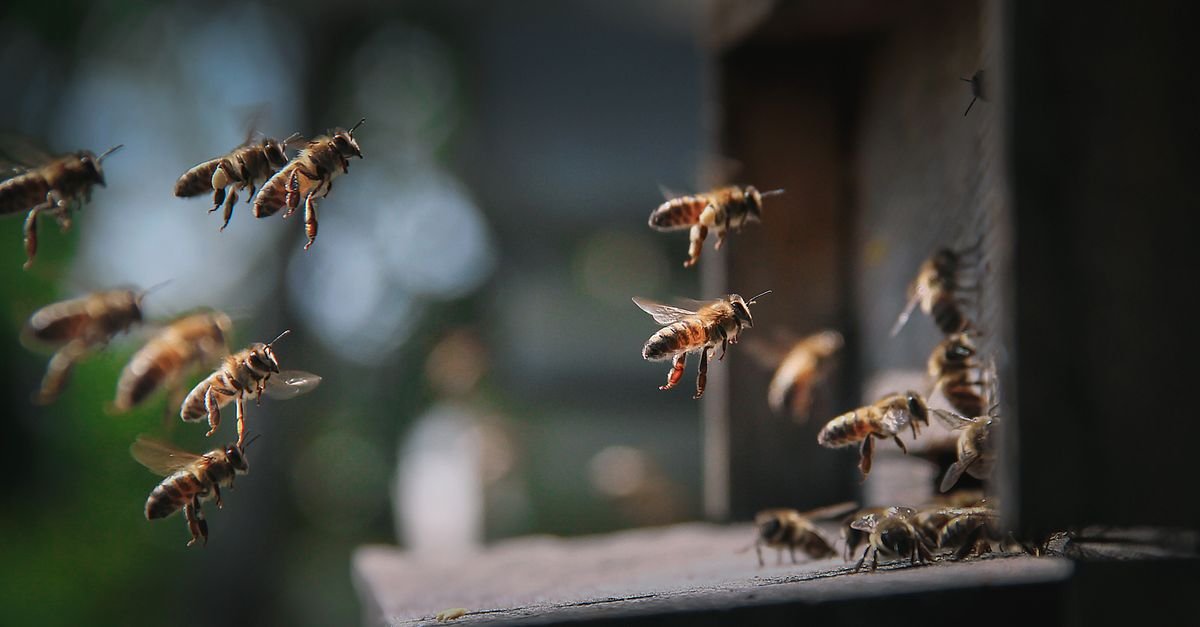
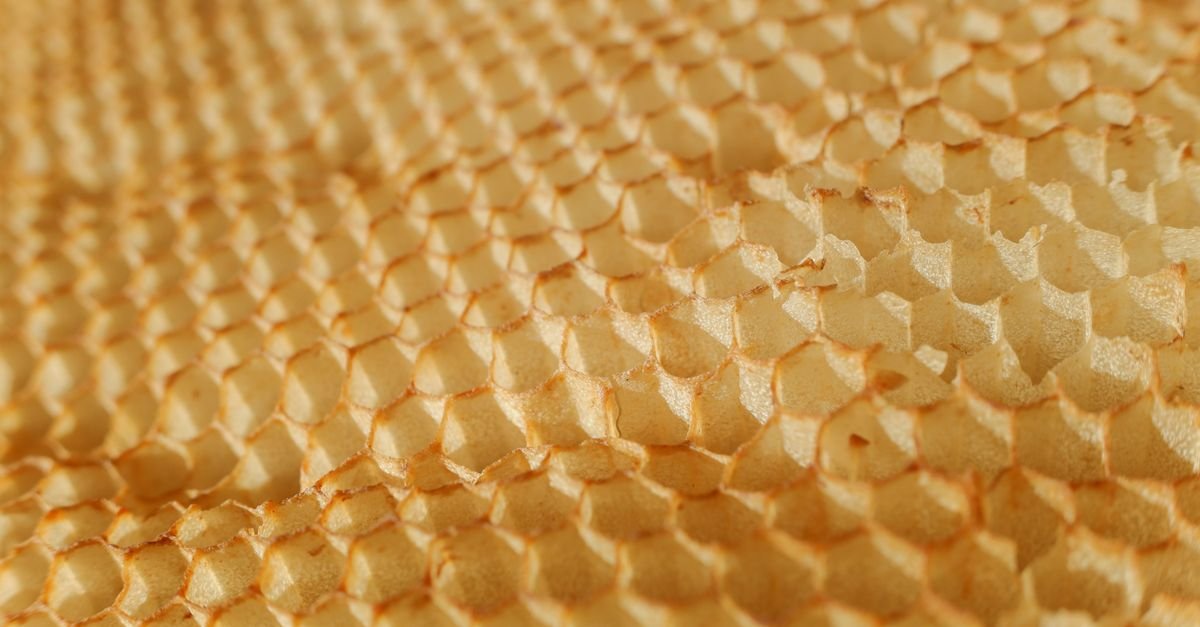
Thyme honey deserves a special mention: gathered by bees from wild thyme blossoms, it stands out with an intense aroma and a refined hint of bitterness beloved by connoisseurs. It ranks among the most valued honeys on the Moroccan market, traditionally served with amlou and argan oil at a festive breakfast.
Thyme in Natural Care
Thyme essential oil and extracts appear in a range of natural products: purifying soaps, scalp treatments and fragrant hammam blends. Its scent, traditionally known as invigorating and purifying, is used at carefully measured concentrations in cosmetic formulas.
The Harvest Season and Why It Matters
Moroccan wild thyme is picked at specific times of year, often before its flowers fully open, when its essential oils reach their highest concentration. Traditional hand-picking allows only the ripest sprigs to be selected, and the shade-drying that follows, in a well-ventilated spot, preserves the leaves' light green colour and aroma instead of letting them turn to dull straw.
Wild Thyme Versus Cultivated Thyme
Wild thyme growing in the mountains without intensive human intervention tends to concentrate more aromatic oils than varieties grown in managed fields, thanks to tougher growing conditions such as scarce water and strong sun. Anyone comparing the two can notice the difference clearly in scent and flavour.
Frequently Asked Questions About Moroccan Thyme
- Is all Moroccan wild thyme the same variety? No — Morocco is home to several species and local varieties of wild thyme, which differ slightly in scent and appearance depending on the region.
- Can fresh thyme be used instead of dried? Yes, though a somewhat larger amount is needed, since drying concentrates the flavour.
- How can I recognise genuine thyme honey? Good thyme honey stands out for its strong aroma, dark colour, and a taste that blends sweetness with an elegant hint of bitterness.
From mountain herbs to their rare honey, Assil Ouargane turns Morocco's natural bounty into high-quality food and cosmetic products, with full private-label services for clients in Egypt, Saudi Arabia, the UAE, Kuwait and Europe. Contact us through our website to request a quote.