
After months of thick, glossy pregnancy hair, many new mothers are alarmed to find strands filling the brush and the shower drain. Take a breath: this shedding is extremely common, almost always temporary, and has a simple hormonal explanation. What your hair needs now is not aggressive treatment — it is gentleness and patience.
Why Hair Sheds After Birth
During pregnancy, hormones keep hair in its growth phase longer than usual: daily shedding slows and hair looks fuller. After delivery, hormone levels return to normal and a large number of strands shift into the resting phase — and then shed — all at once. The peak usually arrives between the third and fifth month postpartum, then gradually eases. Most cases resolve on their own within months; if heavy shedding continues beyond a year, seeing a doctor is the sensible next step.
Gentleness Above All
Right now, the goal is to remove every unnecessary stress from your hair:
- Detangle softly with a wide-tooth comb, starting at the ends.
- Skip tight hairstyles and high ponytails.
- Keep hot tools to a minimum during these months.
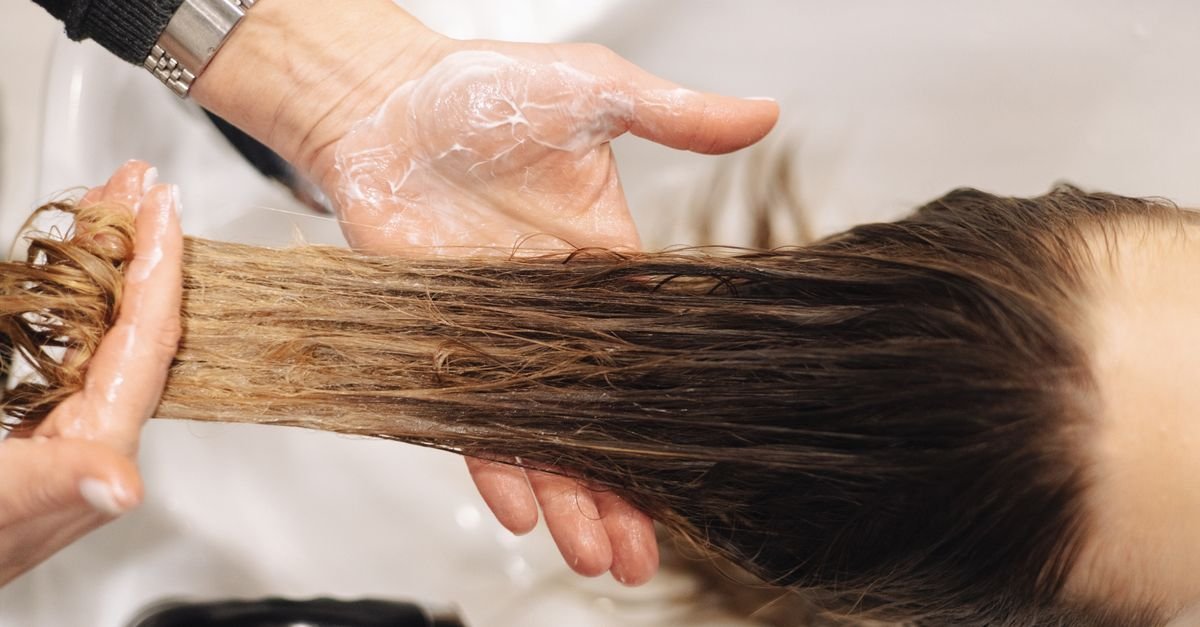
- Use a mild shampoo and wash whenever needed without fear — washing does not cause the loss; it simply releases hairs that were going to shed anyway.
Scalp Massage with Natural Oils
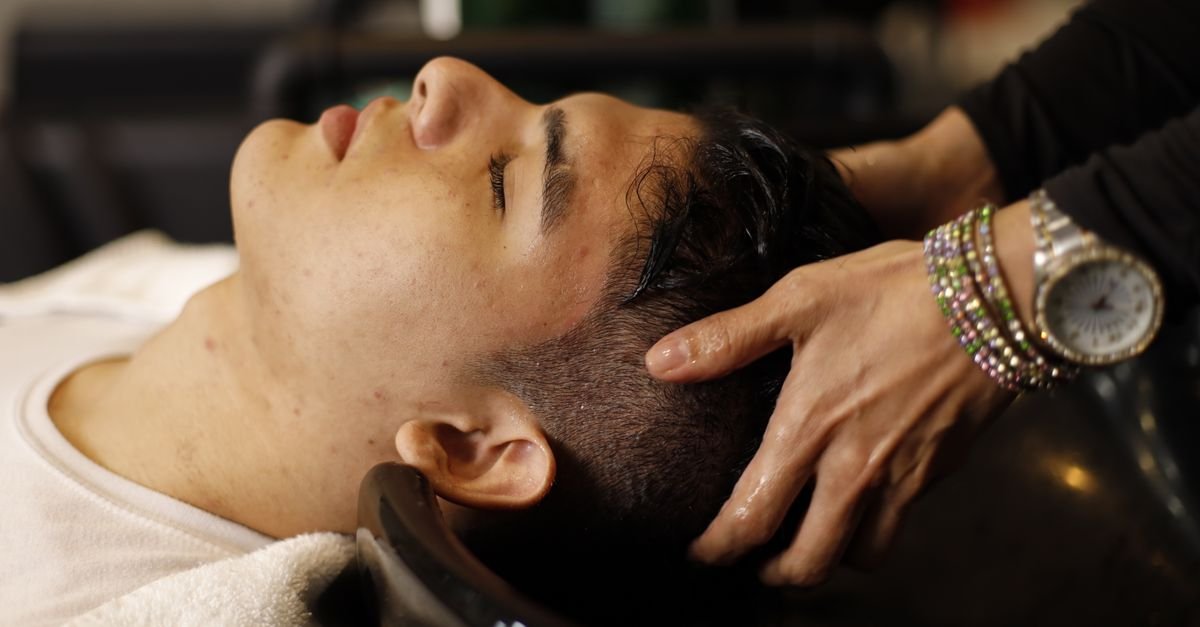
Set aside a few minutes daily, or several times a week, to massage your scalp with your fingertips in gentle circles. It stimulates local circulation and doubles as a well-earned moment of calm. Do it dry, or with a few drops of a natural oil such as Moroccan argan oil — traditionally valued for nourishing both hair and scalp — for extra conditioning and shine.
Your Plate Feeds Your Hair
Your body is recovering and needs good fuel, especially if you are breastfeeding. Prioritise protein at every meal, along with leafy greens, legumes, nuts and plenty of water. Sleep deprivation is a known enemy of both hair and mood, so rest whenever you can and ask for help without guilt. Before taking any supplements, check with your doctor, particularly while nursing.
Practical Ideas for the Transition
- A slightly shorter cut makes hair look fuller and is easier to manage with a newborn.
- Those short new baby hairs along the hairline are a sign of regrowth, not a nuisance — a touch of cream tames them.
- A loose silk scrunchie at night reduces friction and breakage.
A Simple Weekly Rhythm to Follow
Rather than adding another task to an already full day, think of hair care in this phase as a few small rituals folded into your week.
A Few Minutes, Not a Whole Routine
- One gentle scalp massage session every two or three days, even just five minutes.
- A wash whenever your hair feels like it needs one — no fixed schedule required.
- A wide-tooth comb kept within reach for gentle, unhurried detangling.
Frequently Asked Questions
Will my hair go back to how it was before pregnancy?
For most new mothers, hair density gradually returns toward its usual pattern once hormone levels settle, though the exact timeline varies from one woman to another.
Does postpartum shedding mean something is wrong?
On its own, no — it is a well-known, temporary hormonal shift. It is worth mentioning to your doctor if shedding feels unusually heavy, comes with bald patches, or continues well past a year.
Can stress make it worse?
Stress and poor sleep are commonly linked to hair shedding in general, so rest and support during this period matter for more than just your mood.
Remember: this phase passes, and your hair will find its balance again just as your body regains its strength. Assil Ouargane, a natural-products manufacturer in Morocco, produces gentle oils and hair care suited to sensitive periods like this, with private-label manufacturing for brands. Visit our website to request a quote.