Shampooing is essential for cleansing the scalp, but it can strip hair of its natural oils and leave it dry and prone to breakage. This is where the pre-poo treatment comes in, a simple protective step applied before washing to form a barrier around each strand. In this guide we explain what the treatment is, which oils suit it, and how to apply it properly.
What a pre-poo treatment is
It is simply applying an oil, or a blend of oils, to the hair anywhere from fifteen minutes to overnight before washing. The idea is that the oil fills the gaps along the hair's surface and reduces how much water the strand absorbs. Water-swollen hair expands and then contracts as it dries, and this repeated swelling weakens the strand's structure. A layer of oil softens that effect and protects the internal protein.
The best oils to use
Not all oils perform equally in this role. The best are those that can penetrate the strand or form a sturdy protective coat:
- Argan oil: rich in fatty acids and vitamin E, lightweight and absorbed without weighing hair down, ideal for fine to medium hair.
- Coconut oil: one of the most penetrating oils, well suited to thick and curly hair.
- Olive oil: a deep moisturizer for very dry hair.
- Jojoba oil: close to the scalp's natural sebum, light and gentle.
You can blend argan oil with coconut oil to combine deep penetration with a light finish on the surface.
How to apply it step by step
- Section dry or slightly damp hair for even distribution.
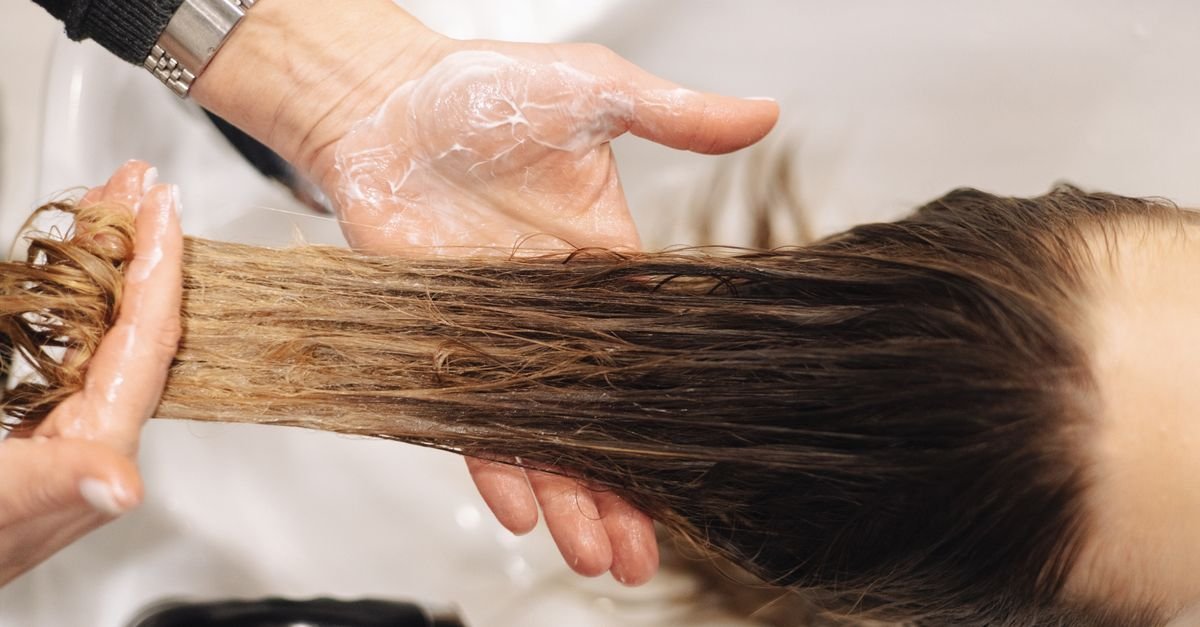
- Apply a moderate amount, focusing on the ends and mid-lengths, which are the driest.
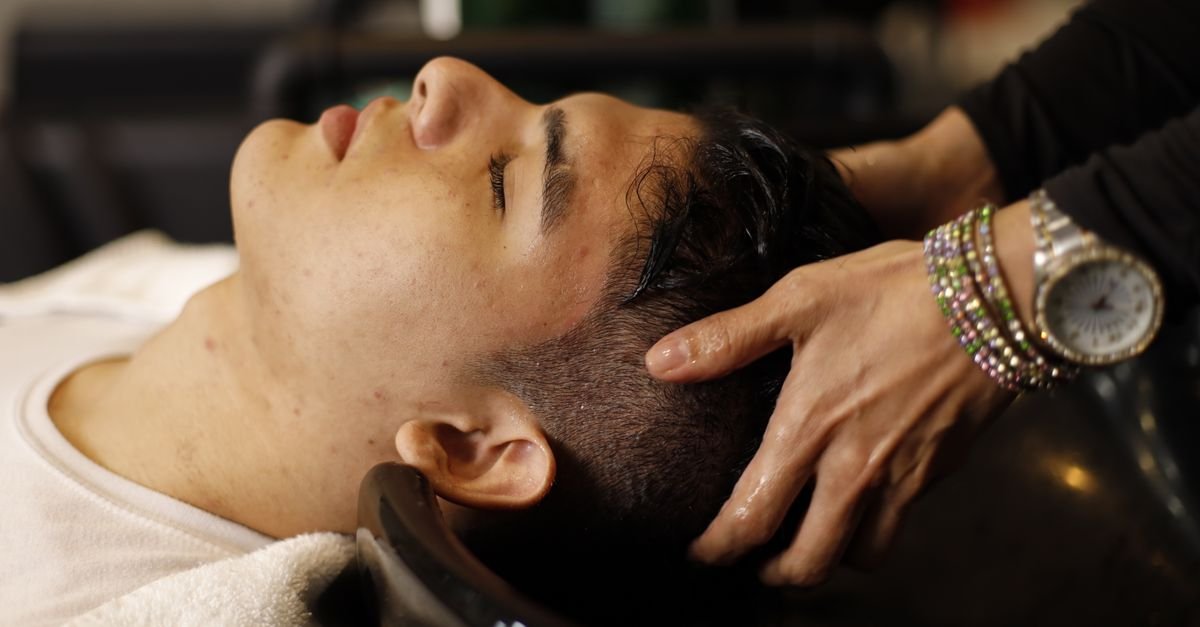
- Gently massage the scalp if it is dry, and avoid it if it is oily.
- Cover with a warm towel or shower cap to boost absorption.
- Leave it on for fifteen minutes to an hour, or overnight for an intensive treatment.
- Wash with shampoo as usual, using two washes if you applied a lot of oil.
How often and for whom
Once a week is enough for most people, and you can do it more often for dry or chemically treated hair. Curly and color-treated hair benefits most because it is more prone to dryness. Those with oily hair can focus on the ends only and space out treatments so the scalp does not feel weighed down.
Tips for better results
Use pure oils that are not diluted with synthetic ingredients, because oil quality makes the difference. Don't overapply, or rinsing becomes difficult. Try a single oil for a few weeks before judging the result, since hair needs time to show improvement. If your scalp is sensitive, patch test on a small area first.
The real difference in these results starts with the purity of the oil itself. Authentic Moroccan oils, above all argan oil carefully extracted in the Souss region, give hair natural protection without additives. A Moroccan manufacturer like Assil Ouargane can supply brand owners with quality-certified oils that serve as a solid base for professional hair care products under their own labels.