When ordering argan oil in bulk, buyers ask about grade and quantity, and rarely about a question that changes the whole product: were the kernels roasted before pressing? Roasting shapes aroma, colour and best use, and therefore which type suits your brand. This article explains the difference between roasted and unroasted argan oil and how to specify what you need.
What is the difference?
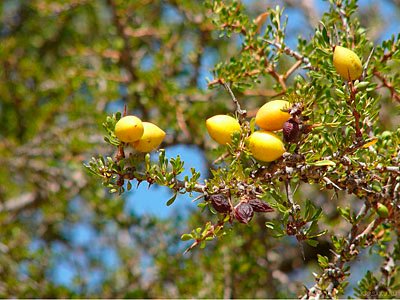
Argan oil is pressed from the kernels of the argan tree's fruit. For traditional culinary oil, kernels are lightly roasted before pressing, giving a toasted-nut aroma and a slightly darker colour. Cosmetic oil is usually pressed from unroasted kernels, so it is lighter in colour and milder in scent, which suits neutral or fragranced formulas.
Quick comparison
| Aspect | Unroasted | Roasted |
|---|---|---|
| Aroma | Light, close to neutral | Clear toasted-nut notes |
| Colour | Light golden | Somewhat darker, depending on roast |
| Typical use | Skin, hair and formulations | Food: bread, salads, amlou |
| Fragranced products | Suitable | Scent may clash |
| Facility needed | Cosmetics manufacturer | Food-appropriate premises and registrations |
These are general differences. Colour and aroma vary between batches and suppliers, as we explain in our article on batch colour and aroma variation.
How to choose by product
Cosmetic product
Ask for oil from unroasted kernels and put it in writing. A toasted scent may not suit a face serum or a fragranced product. Some brands also prefer deodorised oil, a separate topic we cover elsewhere.
Food product
Roasted oil matches the traditional Moroccan taste consumers expect. But food oil needs production and packing suited to food and documents that fit the import market. Do not assume a pure cosmetic oil is edible, or the reverse. See also our article on argan oil and nut allergy, since food labels carry their own disclosure duties.
Selling both
Keep the two ranges clearly apart: separate product codes, bottles, labels and storage so food and cosmetic oils never mix.
What affects roast quality
- Degree: light roasting gives balanced flavour; too much can taste bitter or burnt.
- Batch consistency: temperature and time must be controlled.
- Storage: light, heat and oxygen affect any oil rich in unsaturated fats. See our argan oil storage guide.
What to ask your supplier
- State the end use: food or cosmetic.
- Request a sample of each type and compare them.
- Ask about roast level and how it is controlled between batches.
- Request the technical data sheet and a certificate of analysis for each lot.
- Write the sensory specification into the purchase order.
- Keep a reference sample from the approved lot.
Common mistakes
- Ordering just "argan oil" without stating roasting.
- Assuming a darker colour means higher quality.
- Using roasted oil in a fragranced product.
- Mixing food and cosmetic claims on one label.
FAQ
Is roasted oil less pure?
No. Roasting is a preparation step before pressing, not a measure of purity, which is verified by analysis rather than colour or aroma alone.
Can I use it on skin?
Technically possible for some uses, but the scent is stronger. Test a sample with your customers.
Does shelf life change?
It depends mainly on oil quality, packaging and storage. Ask for the documented shelf life for your lot.
How do I order precisely?
State the end use, roasted or not, the accepted sensory specification and the documents you need.
Choose before you order
The right choice saves you reformulating a product, a label or even a batch. Browse our products, then request a quote at assilouargane.com/quote once your specification is clear.