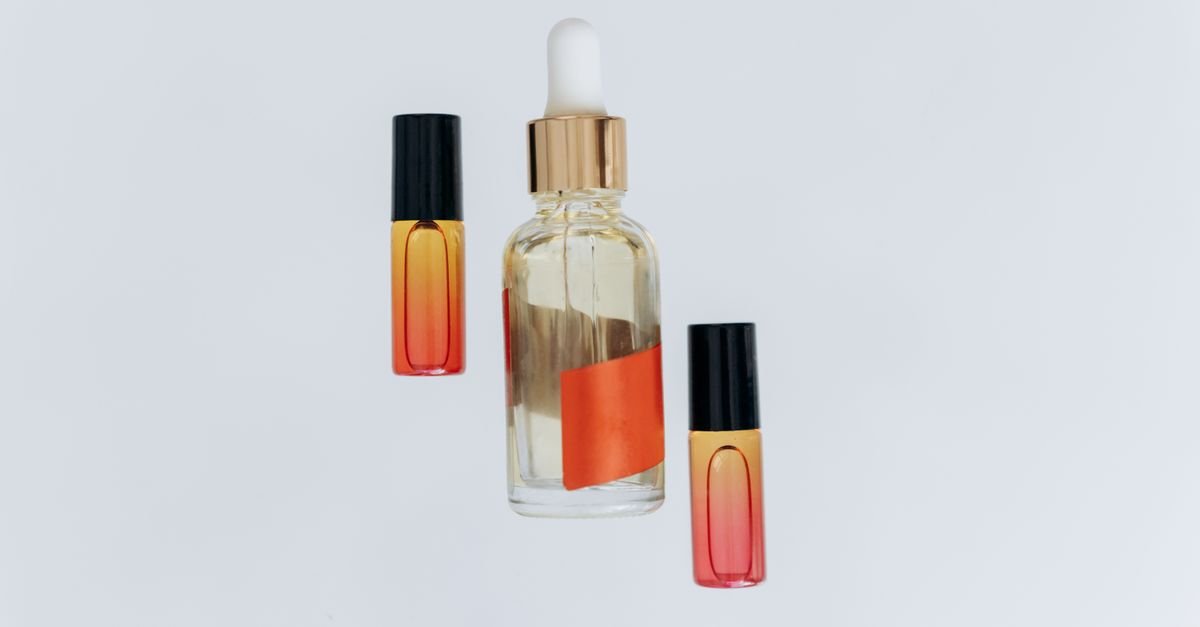
Many brand owners ask their manufacturer whether fragrance can be added to argan oil to make it more appealing on the shelf. Technically it can. Commercially, the decision reaches further: fragrance changes the allergen profile, the label, your claims and sometimes the stability of the product. This guide helps you decide with open eyes.
Why brands consider scenting argan oil
Raw argan oil has a distinctive smell that varies between batches. Brands scent it to:
- standardise the aroma across batches;
- stand out from near-identical pure oils;
- offer a body or hair oil with a sensory signature, building on our argan product range.
First ask whether the real issue is the smell or batch consistency. If it is consistency, the fix usually lies in your purchase specification, not in fragrance.
Pure vs scented at a glance
| Aspect | Pure argan oil | Scented argan oil |
|---|---|---|
| Ingredient list | Single ingredient | Argan plus fragrance or essential oils |
| Claims | Purity claims possible, subject to regulation | Cannot be called pure or 100% argan |
| Allergy risk | Low, apart from nut allergy | Higher: fragrance is a common skin allergen |
| Compliance | Simpler | More complex: safe-use data, allergen disclosure |
What actually changes
Safety and allergies
Fragrance, synthetic or from essential oils, can trigger sensitisation, and some citrus oils increase sun sensitivity. The product needs a safety assessment that knows the fragrance level and supplier. See our guide to the cosmetic product safety assessment.
Labelling
Fragrance is normally listed as Parfum, and some markets require named fragrance allergens to be declared above set thresholds. Lists and limits differ by market and change over time, so check current rules before printing, and read our piece on bilingual Arabic-English labels for the Gulf.
Claims and compatibility
Once fragrance is added, “pure argan” becomes misleading. Test the scent in your final bottle too: some essential oils affect colour, dropper rubber or adhesives. See packaging compatibility with argan oil. And fragrance risk adds to nut-allergy considerations; it never replaces them.
Steps before you order
- Define the goal: a subtle scent or a clear fragrance?
- Name the market: Gulf, EU and North American requirements differ.
- Ask the manufacturer for fragrance data: supplier, safe-use documentation, potential allergens.
- Compare two or three samples at different dosages against a pure sample.
- Run a small consumer test (consumer testing before launch).
- Start with a pilot batch, then record the scent description and acceptance criteria in your finished-product spec.
Questions for the manufacturer
- Is the fragrance from a qualified supplier with safety documents?
- Can an unscented version with the same base be produced?
- How is the scent kept identical from batch to batch?
- How does it affect MOQ and lead time? See our working process.
FAQ
Is the product still “argan oil”?
Argan can remain the main ingredient, but the name and claims must reflect the fragrance.
Are essential oils safer than synthetic fragrance?
“Natural” does not mean risk-free. Dose, assessment and disclosure are what matter.
Should I launch both versions?
Usually start with one, learn from the market, then expand.
Does fragrance hide quality problems?
It masks smell, not oxidation. Check oil quality before scenting, and read about nut allergy and argan oil.
Send us your specification, target market and expected volume and we will help you choose. Request a quote at assilouargane.com/quote.