When you look at a skincare label, the list of ingredients can feel like a puzzle. For brand owners building their own line, and for the customers who will trust that line, knowing which ingredients tend to irritate, dry, or sensitise the skin is a powerful starting point. Avoiding a few common culprits often does more for skin comfort than adding a dozen active ingredients.
Why ingredient awareness matters
Skin is a living barrier, not just a surface. When a formula strips away too much of its natural oils or disrupts its protective layer, the result can be tightness, redness, flaking, or breakouts. Being selective about ingredients is not about fear, it is about respect for how skin actually works.
Harsh sulfates and aggressive cleansers
Strong foaming agents such as sodium lauryl sulfate are excellent at removing oil, sometimes too excellent. They can leave skin feeling squeaky but tight, which is a sign the barrier has been over-cleansed.
- The issue: repeated stripping of natural lipids weakens the barrier over time.
- Who feels it most: dry, mature, or sensitive skin types.
- Gentler path: milder cleansing bases and traditional plant-based soaps.
Drying alcohols
Not all alcohols are a problem. The ones worth watching are the light, volatile alcohols often listed high on ingredient lists, used to make products feel fast-drying. In leave-on products they can, over time, contribute to dehydration and sensitivity. Fatty alcohols, by contrast, are soothing and help soften skin, so the name alone does not tell the whole story.
Synthetics many people prefer to avoid
Some synthetic additions are common triggers for reactive skin. These are not banned or dangerous for everyone, but many brands choose to leave them out for a cleaner promise.
- Heavy synthetic fragrance: one of the most frequent causes of irritation.
- Certain harsh preservatives: useful for shelf life, but not always well tolerated.
- Occlusive mineral oils in high amounts: fine for some, heavy for others.
Gentler natural alternatives
The good news is that nature offers ingredients that clean, nourish, and protect without the harsh edge. Morocco in particular is home to time-tested botanicals.
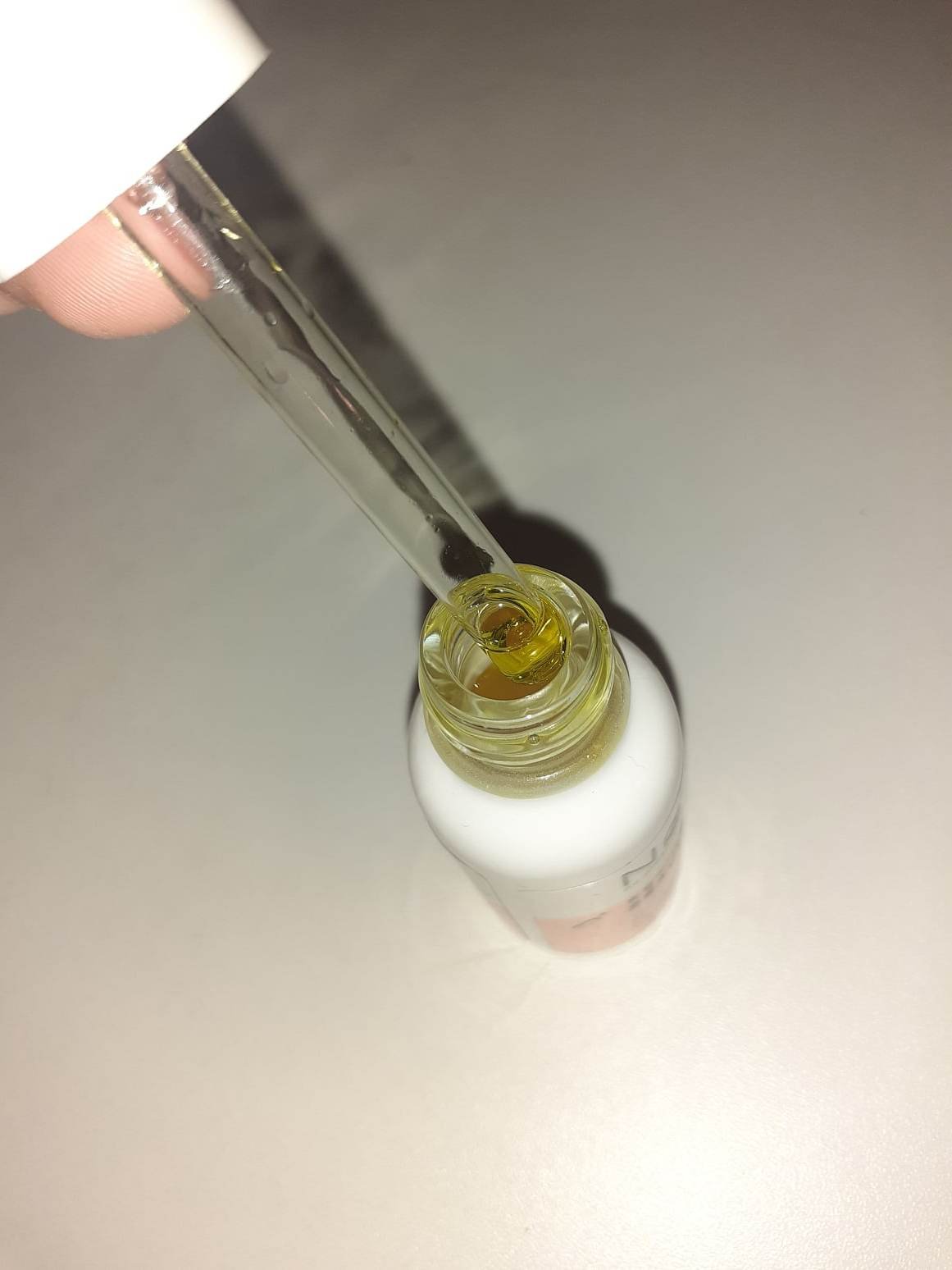
- Argan oil: rich in vitamin E and fatty acids, supportive of the skin barrier.
- Plant butters and cold-pressed oils: comfort dry, tight skin.
- Clay-based cleansers and natural soaps: clean gently without stripping.
- Botanical extracts: add benefit and a natural, subtle scent.
Reading labels is a skill that rewards patience, and building a brand around cleaner choices is a promise customers notice. For entrepreneurs who want to launch a gentle, natural line under their own name, working with a Moroccan manufacturer such as Assil Ouargane means starting from authentic, certified ingredients like pure argan oil, with formulas designed to respect the skin rather than fight it.