
Sustainable packaging is no longer a marketing luxury but a baseline expectation for a growing share of consumers. Today's skincare and haircare customers read the packaging the way they read the ingredient list, asking: can this container be recycled? Is the material responsible? For brand owners, eco-friendly packaging has become an opportunity to build genuine loyalty and clear differentiation, not just an ethical obligation.
Why Customers Demand Sustainable Packaging
Environmental awareness has turned into concrete buying behaviour. Many consumers now favour brands aligned with their values, and sometimes pay more for them.
- Values: the customer wants to feel their choice doesn't harm the planet.
- Transparency: sustainable packaging signals a sincere, responsible brand.
- Differentiation: in a crowded market, a real environmental commitment gives you a clear edge.
Recyclable and Refillable Options
The simplest step toward sustainability is choosing materials that are genuinely recyclable, not just nominally so. But the more powerful step is designing refill systems.
- Recycling: glass, aluminium, and certain plastics are reprocessed more easily.
- Refills: a durable primary container paired with cheaper refill packs cuts waste and builds a repeat-purchase habit.
- Reduction: removing unnecessary layers lowers both cost and environmental impact.
- Labels: choose labels and inks that ease recycling rather than hinder it.
Glass vs Plastic: An Honest Comparison
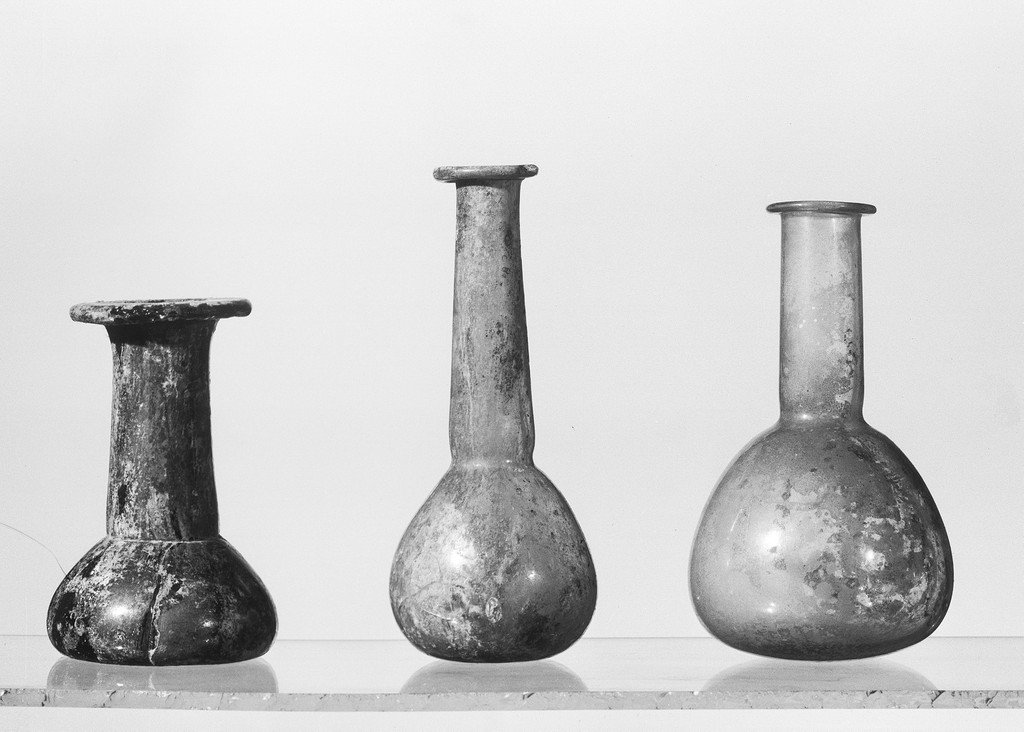
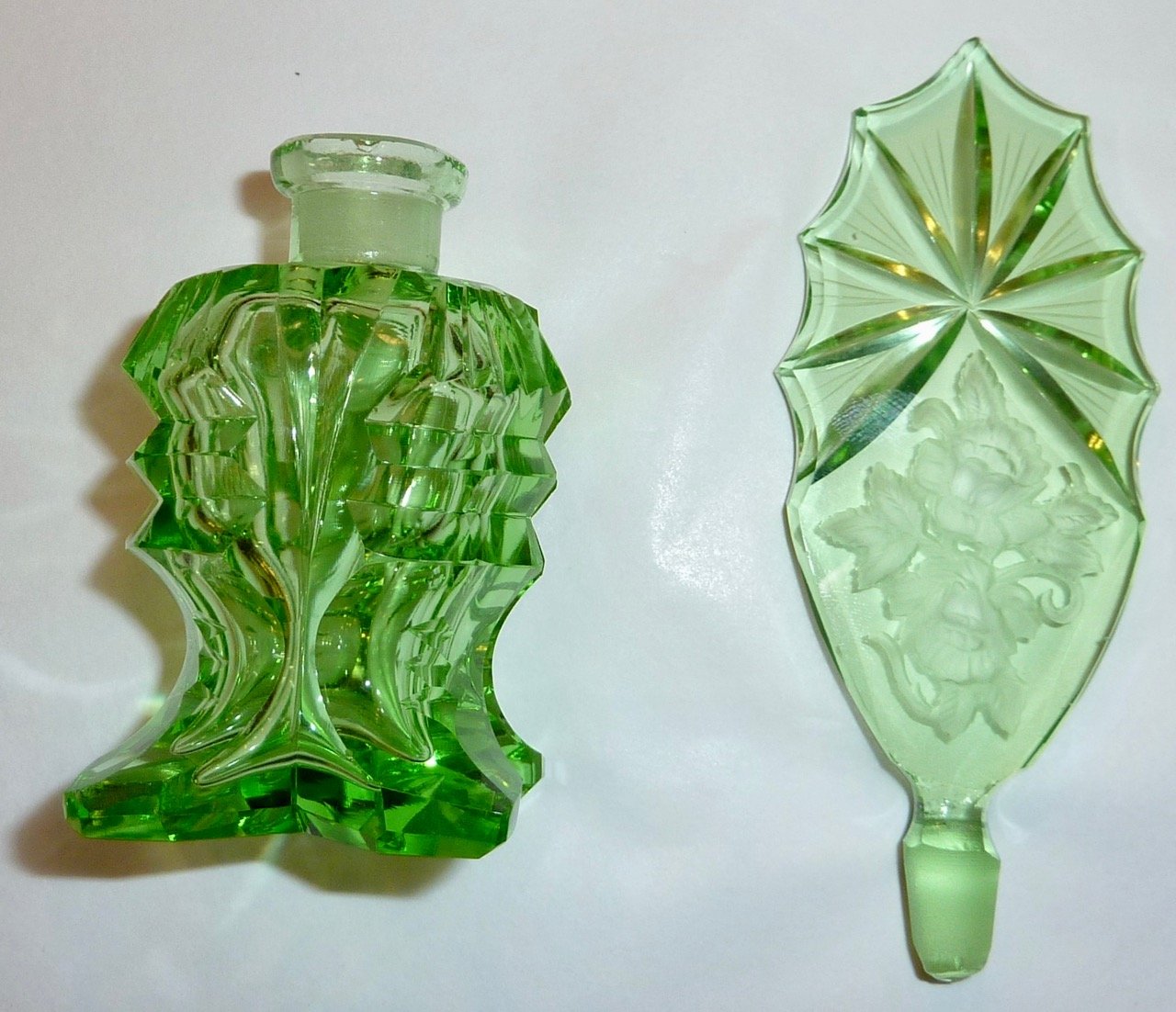
There's no perfect choice for every case, only a better fit for each product. Glass is infinitely recyclable, preserves the purity of oils and formulas, and conveys refinement, but it's heavier, more fragile, and costlier to ship. Plastic is lighter, more shatter-resistant, and cheaper, but its environmental value depends on its type and real recyclability. The smartest decision balances product protection, customer experience, environmental impact, and shipping cost.
Balancing Sustainability with Practicality
True sustainability has to be workable and lasting. A packaging that's environmentally perfect but far too expensive or irregularly available won't serve your brand for long.
- Start with realistic improvements rather than chasing perfection all at once.
- Make sure the material stays available in stable quantities as you grow.
- Avoid exaggerated environmental claims you can't prove.
Tell Your Sustainability Story Honestly
Customers value honesty more than perfection. Explain clearly what you've done and what you're working toward, without overstating it. A brand that says it uses recyclable glass and is gradually reducing its packaging is more credible than one claiming to have no impact at all.
Turning environmental intent into a real product requires a manufacturing partner who understands materials, their sources, and the limits of what's practical. A Moroccan manufacturer specialized in private-label production, like Assil Ouargane, helps you choose sustainable packaging suited to your natural oils and formulas, respecting the planet while meeting your customers' expectations at the same time.