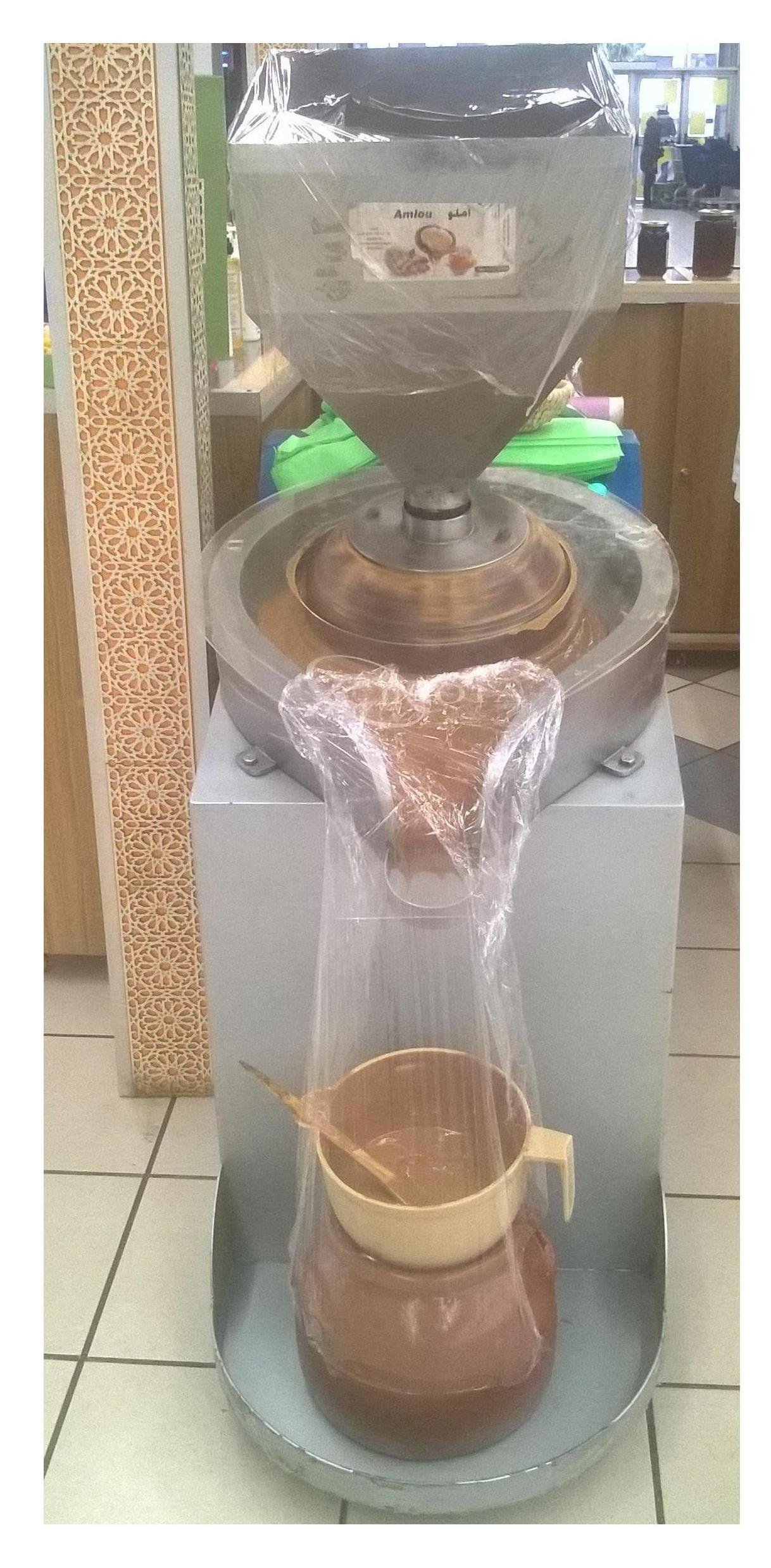
Nut butters hold a firm place on tables around the world, from peanut butter to almond and cashew pastes. Yet Moroccan amlou belongs to a category of its own, despite a texture that can seem similar. It is not simply ground nuts, but a balanced blend with deep roots in Moroccan cuisine. In this article we offer an honest comparison between amlou and other nut butters.
Ingredients: the first difference
Peanut butter relies mainly on a single ground seed, sometimes with added oil, sugar or salt. Amlou, on the other hand, is built on three essential ingredients that work together:
- carefully roasted, finely ground almonds
- authentic culinary argan oil
- natural honey for sweetness
This trio gives amlou its richness and depth, unlike almond or cashew butter, which is often presented as a single ingredient.
Taste and texture
Peanut butter leans towards a strong roasted flavour, sometimes salty. Almond and cashew offer a soft, delicate taste. Amlou brings together the warm sweetness of honey, the note of roasted almond and the distinctive touch of argan oil found nowhere else. Its texture is smooth but richer and denser, closer to a cream than to a dry paste.
Its place at the table
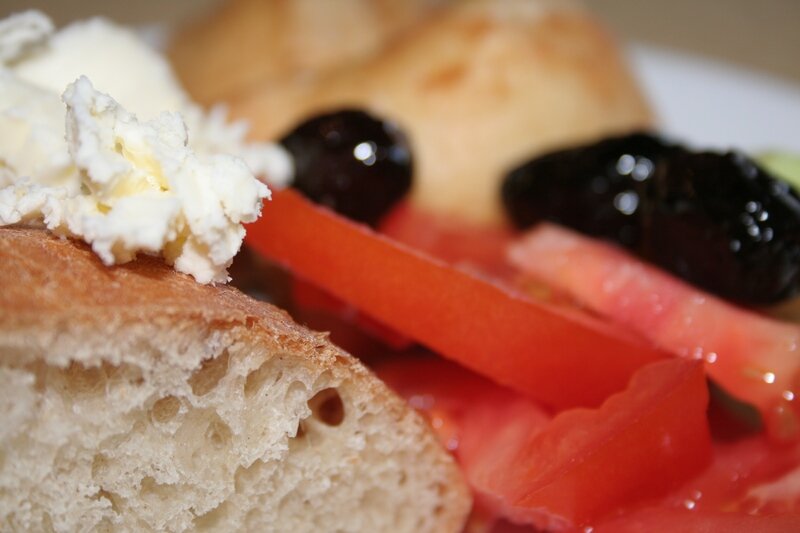
While nut butters are often eaten in sandwiches or as a snack, amlou carries a traditional dimension. It is usually served with Moroccan bread at breakfast, accompanies tea and is part of welcoming guests. This cultural context is inseparable from its identity.
Why amlou stays unique
- it combines three natural ingredients instead of one
- it draws its flavour from argan oil, a rare resource
- it belongs to a long tradition of Moroccan hospitality
In the end, amlou does not compare on equal footing with other nut butters, because it is a product with its own identity, blending authenticity and quality. For anyone thinking of launching their own amlou line, working with an experienced Moroccan manufacturer like Assil Ouargane helps preserve this delicate balance between ingredients and certified quality.