
Among the world's honeys, thyme honey holds a special place that connoisseurs recognize instantly. Its dark amber color, powerful aromatic nose, and rich, long-lasting flavor have made it one of the most esteemed — and most valued — honeys on the market, and a point of pride for beekeepers in Morocco's mountains.
Where Does Thyme Honey Come From?
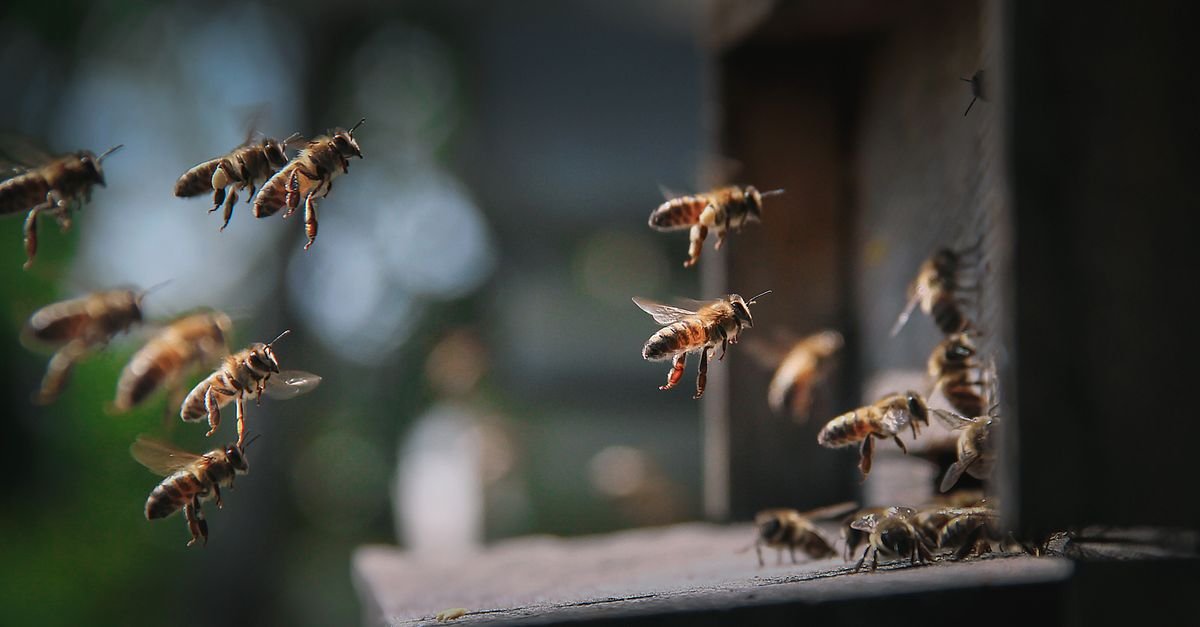
Bees produce it from the nectar of wild thyme flowers carpeting hillsides and plateaus across the Mediterranean basin. In Morocco, the Atlas highlands and mountainous regions are famous for their expanses of wild thyme, whose late-spring and early-summer bloom is transformed inside the hive into a honey of remarkable character.
What Sets It Apart
- Flavor: strong, herbal, and warm, with a caramel-like note and a long finish. This is not a neutral honey — it has real presence.
- Aroma: concentrated and fragrant, echoing the scent of thyme itself.
- Color: from amber to reddish brown depending on region and season.
- Texture: it tends to crystallize over time — a completely natural behavior in genuine honey, not a sign of spoilage.
Its Place in Tradition
Thyme honey enjoys great prestige in Moroccan and Mediterranean folk tradition: it is known as a fortifying food for the cold months, stirred into warm drinks, and traditionally favored during periods of fatigue and winter discomforts. Thyme itself is an aromatic plant rich in natural compounds, and single-origin honeys like thyme honey attract research interest for their distinctive composition. Still, honey is a food, not a treatment — health concerns belong with a doctor. And remember: honey should never be given to children under one year old.
How to Enjoy It in the Kitchen
Its bold character makes it a star in many uses:
- A morning spoonful, on its own or in a warm drink.
- With cheese — especially aged or salty varieties — for a refined pairing.
- Over yogurt, fruit, or nuts.
- In sweet-savory Moroccan dishes like certain tagines, where it adds beautiful depth.
How to Choose an Authentic Thyme Honey
High demand makes this variety a favorite target for fraud. Key tips:
- Buy from trusted sources that state the harvest region and season.
- Do not be fooled by honey that stays liquid forever: crystallization is a positive natural sign.
- For commercial quantities, ask for laboratory analyses — the most reliable proof of authenticity.
- A suspiciously low price is a warning: real thyme honey is scarce and demanding to produce.
Storage and Shelf Life
Raw honey is naturally stable, but a few simple habits help thyme honey keep its flavor for years. Store the jar in a cool, dark cupboard away from stoves or sunny windows, since heat and light dull both aroma and taste over time. Use a clean, dry spoon — even a trace of water can encourage fermentation — and skip the refrigerator, since cold speeds up crystallization rather than preventing it.
If the honey solidifies into a pale, fine paste, that is ordinary crystallization, not spoilage, and it remains perfectly good to eat as is. To bring it back to a pourable texture, place the closed jar in warm water below 40°C rather than a microwave, which can damage its natural enzymes and aroma. Stored well, a good jar of thyme honey keeps its quality for two years or more.
Frequently Asked Questions
Does thyme honey always crystallize, and is that a quality problem?
Most raw thyme honey crystallizes sooner or later, depending on temperature and its natural sugar balance — this is a sign of authenticity, not a flaw. Honey that stays liquid indefinitely is often heavily filtered or heated.
How is it different from ordinary wildflower honey?
Wildflower honey comes from a mix of whatever is blooming nearby, so its flavor varies and tends to be milder. Thyme honey is single-origin: bees forage mainly on wild thyme during its short bloom, giving a consistent, robust, herbal profile.
Assil Ouargane supplies Moroccan thyme honey and other natural honeys of documented quality, with packing and private-label services for Arab and European markets. Request a quote through our website today.