Scoop a ripe avocado and you already understand why the oil pressed from its flesh feels different from almost anything else on a skincare shelf: it is closer to a food fat than a typical seed oil, thick, green when unrefined, and slow to disappear into skin. That richness is precisely what makes it useful in the right place and unnecessary in the wrong one.
A fatty acid profile close to olive oil
Avocado oil is dominated by oleic acid, typically in the region of sixty to seventy percent, with a smaller share of palmitic acid and modest linoleic acid. This puts its profile closer to olive oil than to the linoleic-rich oils like grapeseed or sunflower. Unrefined avocado oil also carries a meaningful load of unsaponifiables, plant sterols and vitamin E among them, which is what gives cold-pressed batches their deep green color and slightly grassy scent.
Where it belongs on skin, and where it does not
Because of its weight and moderate comedogenic behavior, generally rated around two on the scale formulators use, avocado oil suits dry, mature or weathered skin far better than an oily or acne-prone T-zone. Elbows, heels, knees, and skin that has spent a day in wind or sun tend to drink it up without complaint. On oily or breakout-prone facial skin, though, it can sit heavy and contribute to congestion, so it is worth patch-testing on the jaw before committing a full face routine to it.
A genuine ally for dry and damaged hair
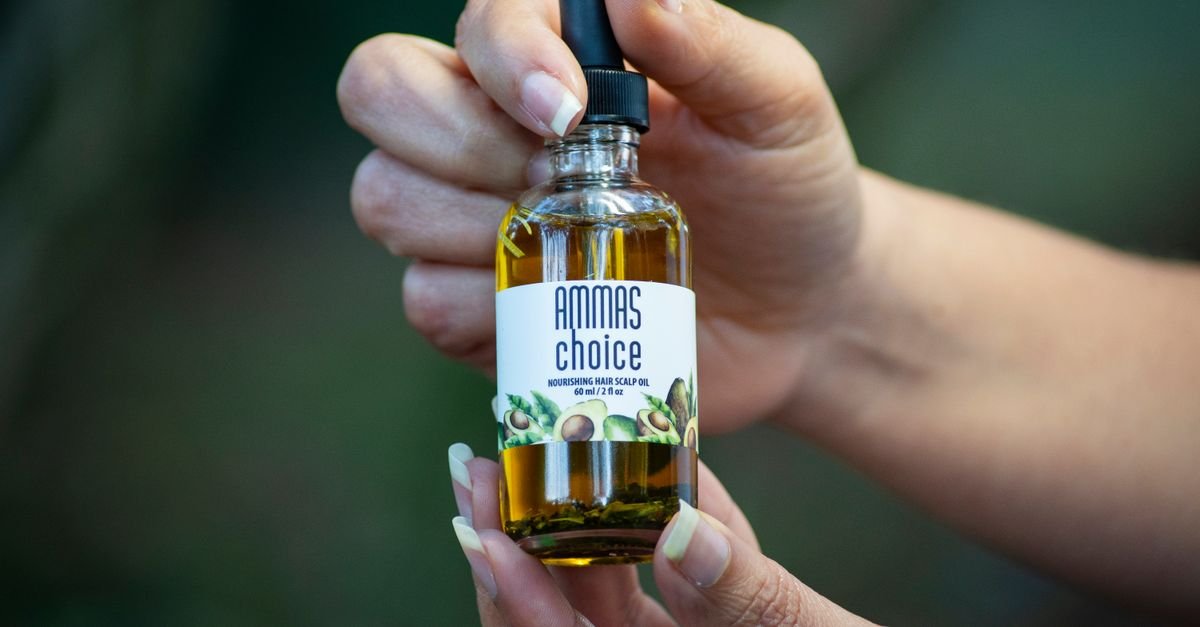
Avocado oil is one of the few oils, alongside coconut and olive oil, whose fatty acid structure is small enough to partially penetrate the hair shaft rather than just coat it. In practice this means it can reduce the amount of protein and moisture a strand loses during washing, which matters for hair that is color-treated, heat-styled, or simply dry at the ends. Applied as a pre-shampoo treatment, left on for thirty minutes to an hour before washing, or worked lightly into damp lengths as a leave-in, it softens without the greasy film that many people expect from a rich oil.
Refined or virgin, and how long it lasts
Refined avocado oil is pale, nearly odorless, and more resistant to oxidation, generally holding for twelve to eighteen months from pressing when kept cool and away from light. Unrefined, cold-pressed avocado oil keeps its color and nutrients but is more sensitive to heat and sunlight, and is best used within about a year of opening. Either way, a dark bottle, a tight cap, and a spot away from a sunny windowsill or a warm bathroom shelf will do more for shelf life than any preservative claim on a label.
Typical use levels in formulation
How much avocado oil belongs in a product depends entirely on what the product is meant to do:
- Body oils and balms: can carry a high proportion, sometimes standing largely on its own, since the body tolerates richer textures than the face.
- Facial oils for dry skin: usually blended at five to twenty percent alongside lighter carriers so it does not overwhelm the skin.
- Hair masks and pre-wash treatments: effective from ten to thirty percent of the blend, or used on its own for a deep treatment.
- Cuticle and heel care: a few drops applied neat, daily, work well precisely because so little product is needed at a time.
A note on sensitivity
Avocado oil is generally well tolerated, but anyone with a known sensitivity to avocado as a food, or a history of reacting to rich plant oils, should patch-test on the inner forearm before wider use, and a dermatologist is the right person to consult for any skin condition that does not improve with ordinary care.
Used where its weight is an advantage rather than a liability, avocado oil remains one of the most dependable natural fats for dry skin and stressed hair. Assil Ouargane presses and formulates natural Moroccan oils and skincare for brands that want to build their own line, under their own name, and welcomes quote requests through the website.