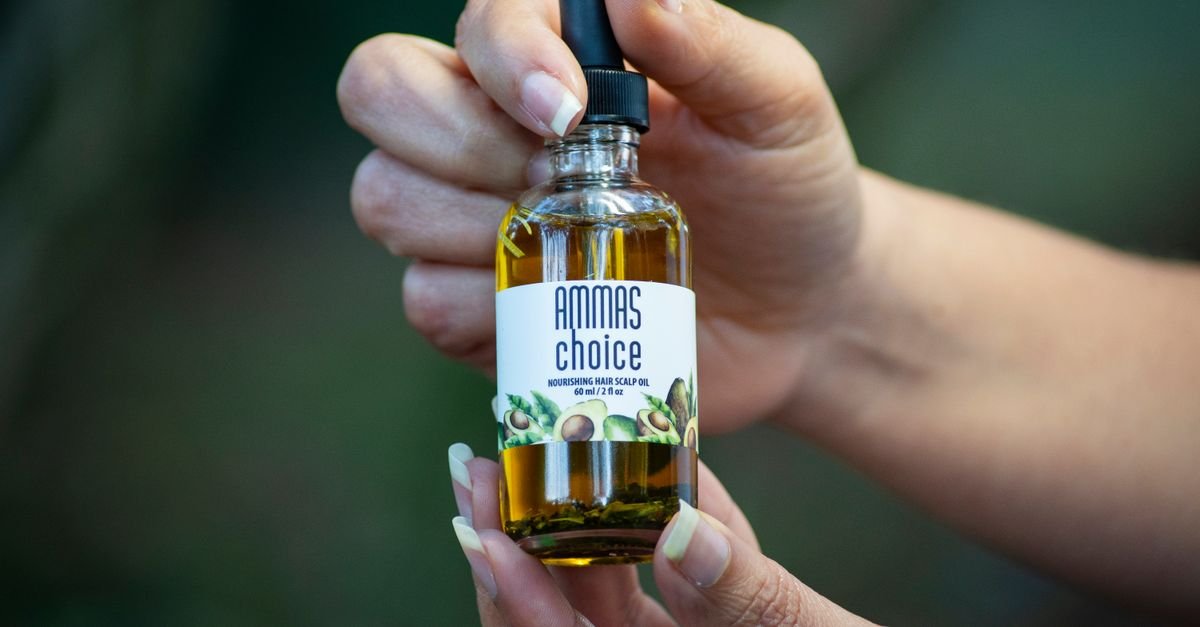
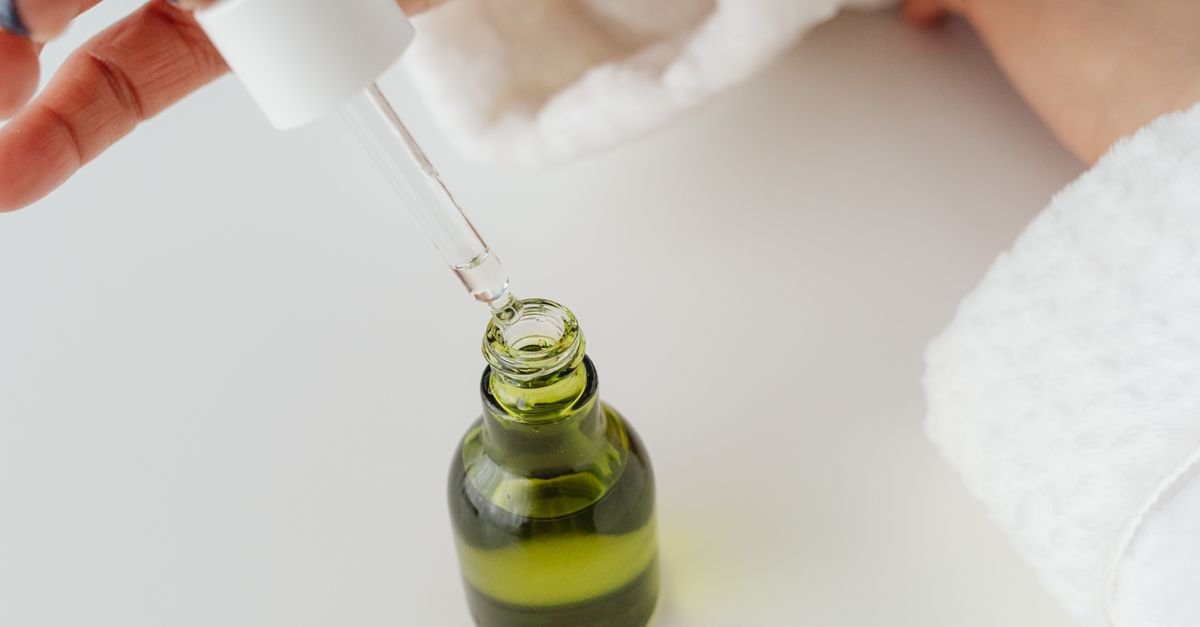
Hold a bottle of grapeseed oil up to the light and it looks almost like tinted water, pale straw against the thick green of avocado oil or the deep gold weight of argan. That thinness is not a shortcoming. It is exactly why formulators reach for grapeseed oil when a product needs to disappear into skin rather than sit on it.
A fatty acid profile built for lightness
Grapeseed oil is dominated by linoleic acid, typically sixty-five to seventy-five percent, against a smaller share of oleic acid, around fifteen to twenty percent, and very little saturated fat. Linoleic acid is a thinner molecule than oleic acid, which is part of why it absorbs so fast, and it is also one of the fatty acids that make up the skin's own lipid barrier, unlike the oleic-rich oils that tend to feel heavier and sit longer on the surface.
Why oily and combination skin tolerate it well
Grapeseed oil is generally rated around one on the comedogenicity scale, among the lowest of the common carrier oils. That is why skin that breaks out in response to richer oils often tolerates grapeseed without issue. It is worth saying plainly, though, that no oil is universally non-comedogenic; individual skin varies, and a patch test on a small area before committing to a full routine remains the honest way to find out.
The trade-off: shorter oxidative stability
The high polyunsaturated fat content that gives grapeseed oil its lightness is the same property that makes it oxidize faster than oleic-rich oils. Its typical shelf life is correspondingly shorter, generally six to twelve months from pressing, and shorter still once a bottle is opened and exposed to air, light and warmth. This is why many formulations add a small amount of a natural antioxidant, vitamin E among the most common, to slow the onset of rancidity. Buying smaller bottles, storing cool and dark, keeping the cap tight, and discarding oil that starts to smell like crayons or old paint, a clear sign of oxidation, all matter more here than with heavier, more stable oils.
A by-product with a processing choice
Grapeseed oil is pressed from the seeds left over after winemaking, and because grape seeds hold a relatively low percentage of oil, many commercial grapeseed oils are solvent-extracted to get an economical yield rather than cold-pressed. Cold-pressed versions exist, cost more, and carry a slightly nuttier scent and a paler yellow-green tint, while solvent-extracted oil is more neutral in color and smell. Neither is inherently unsafe, since reputable producers refine solvent-extracted oil to remove residual solvent, but anyone formulating a fully natural, cold-pressed line will want to check which process a given batch was made with rather than assuming from the name alone.
Where it earns its place in a routine
Grapeseed oil works well as a facial oil for oily, combination or breakout-prone skin, used alone or as a few drops layered after moisturizer. It also makes a good massage oil base thanks to its light glide and the fact that it leaves little residue on sheets. In hair care it functions as a light serum for fine hair or an oily scalp, applied to ends only so it does not weigh down the roots, and it serves as a gentle base for cleansing and makeup-removing oils.
Typical use levels
The right proportion depends on what the product is meant to do:
- Facial oil for oily or combination skin: can be used neat or blended with other light oils.
- Body or massage oil: commonly makes up twenty to one hundred percent of the base.
- Serum for fine hair, ends only: effective at five to fifteen percent of a blend.
- Cleansing or makeup-removing oil base: typically thirty to eighty percent, paired with another oil or a light emulsifier.
Chosen and stored with a little care, grapeseed oil gives oily and combination skin a lightness that few other natural oils can match, without the sheen many people worry about. Assil Ouargane manufactures natural Moroccan oils and skincare for brands building their own line under their own name, and welcomes quote requests through the website.