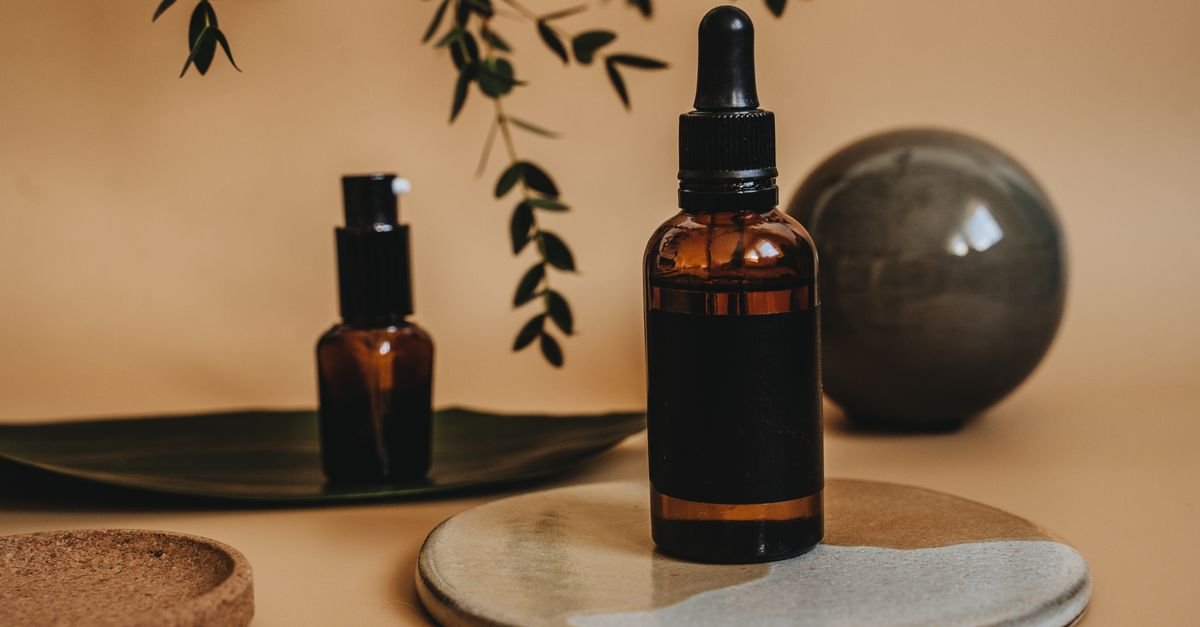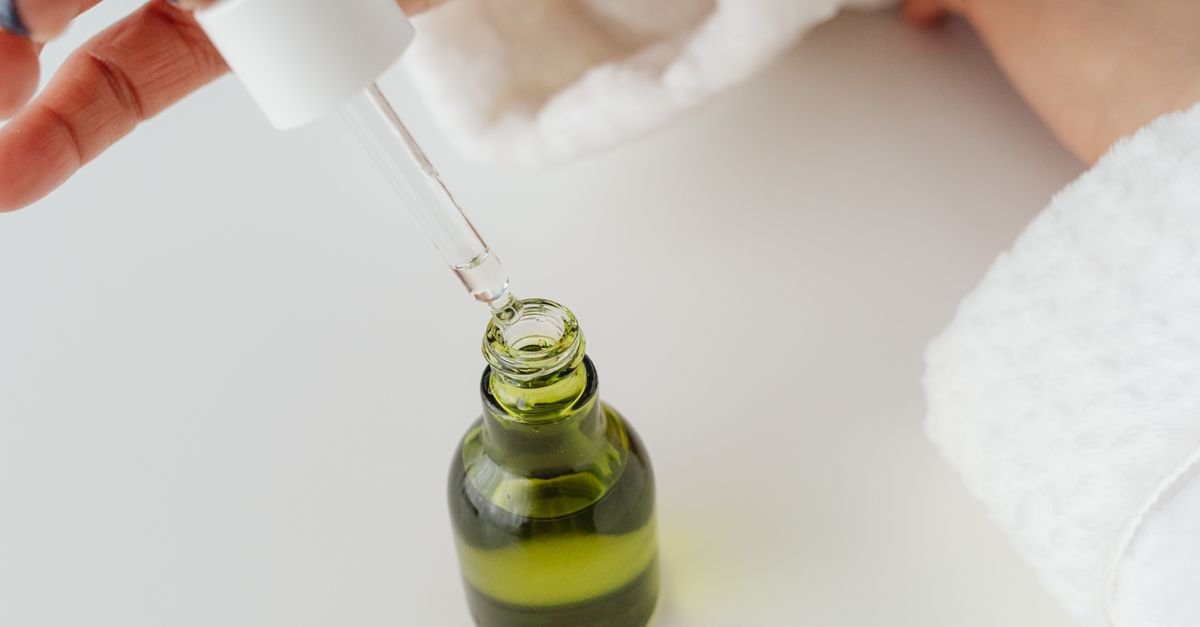

A new mother asks for a safe oil for her baby's delicate skin after every bath, then is surprised to learn that what she is holding is not a calendula seed oil in the way she imagined, but sunflower or olive oil in which calendula flowers have steeped for weeks, until their beneficial components moved into the oil. That precise distinction is exactly what explains this oil's reputation for use on fine, sensitive skin.
Not a seed oil in the usual sense
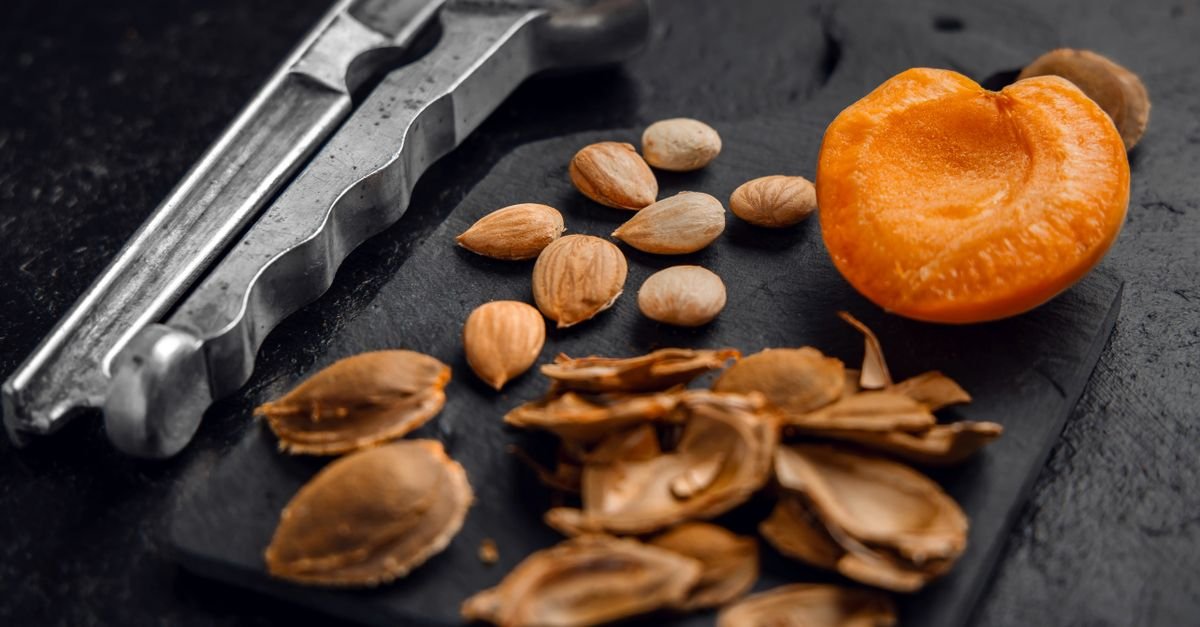
Unlike oils such as argan or grapeseed, which are extracted directly by pressing seeds, calendula seeds do not yield enough oil to be pressed commercially. What is sold as calendula oil is instead prepared by infusing dried calendula flowers in a carrier oil, most often sunflower and sometimes olive, for several weeks in a warm spot, long enough for the flower's fat-soluble compounds to migrate into the oil. The result is an infused oil, not a pressed one, a technical distinction worth explaining to anyone shopping for this product.
What the flower actually contributes
Calendula flowers contain a range of plant compounds, including flavonoids, carotenoids and triterpene esters, traditionally associated with soothing the look of irritated skin. It is worth being precise here: these compounds support the skin's appearance and have a long tradition of use for that purpose, without this amounting to treatment of any skin condition, and a dermatologist remains the right person to see for any problem that does not improve with ordinary care.
Why it is linked to sensitive, delicate skin
Calendula oil has a reputation for being very well tolerated, even on fine skin, which makes it a common choice in products for sensitive areas, for babies' skin after cleaning, and for dry, chapped skin in winter. Many people favor it precisely because it rarely causes additional irritation, though it remains wise to patch-test any new product on a small area before wider use, particularly for anyone with a known allergy to plants in the daisy family, to which calendula belongs.
Shelf life tied to the carrier oil
A point often overlooked is that the shelf life of an infused calendula oil depends mainly on the carrier oil used for the maceration, not on the flower itself. With a sunflower base, shelf life sits around six to twelve months, stretching a little longer if a more stable oil serves as the base. It is worth knowing, at the point of purchase, which carrier oil was used, rather than relying on the name on the label alone.
What separates a well-made batch
Quality varies more in infused oils than in pressed ones, since so much depends on the maceration itself. Dried calendula flowers are generally preferred over fresh ones for this process, since fresh petals carry moisture that can encourage mold during the weeks of steeping. A generous flower-to-oil ratio, and a double infusion, steeping a second batch of dried flowers in the already-infused oil, produce a deeper amber color and a noticeably stronger scent than a single, sparse infusion, and this is often reflected in the price. Checking the flower-to-oil ratio, where a producer discloses it, is a more reliable guide than judging by color alone, since color can also come from the carrier oil itself.
Where it earns its place in formulation
Calendula oil appears in balms and ointments for sensitive areas, after-bath creams for babies, after-sun products, and hand and elbow creams for dry, chapped skin. The right proportion varies by product:
- Balms and ointments for sensitive areas: the infused oil is used at a high proportion, close to the full base.
- Face and body creams for sensitive skin: typically dosed at five to twenty percent of the formula.
- After-sun products: effective at ten to thirty percent.
- Hand creams and dry-area products: generally five to fifteen percent.
Understood for what it actually is, an infused oil rather than a pressed one, calendula oil becomes clearer in its value: a simple preparation that has proven itself across generations for skin that needs gentleness above everything else. Assil Ouargane formulates natural Moroccan oils and skincare for brands building their own line under their own name, and welcomes quote requests through the website.