A bowl of porridge and a tube of eczema cream have almost nothing in common, except, in a growing number of cases, the oat behind both of them. Colloidal oatmeal is one of the few plant ingredients with decades of dermatological use behind it, not just a skincare trend, and it earns that record on a fairly simple mechanism.
What colloidal actually means here
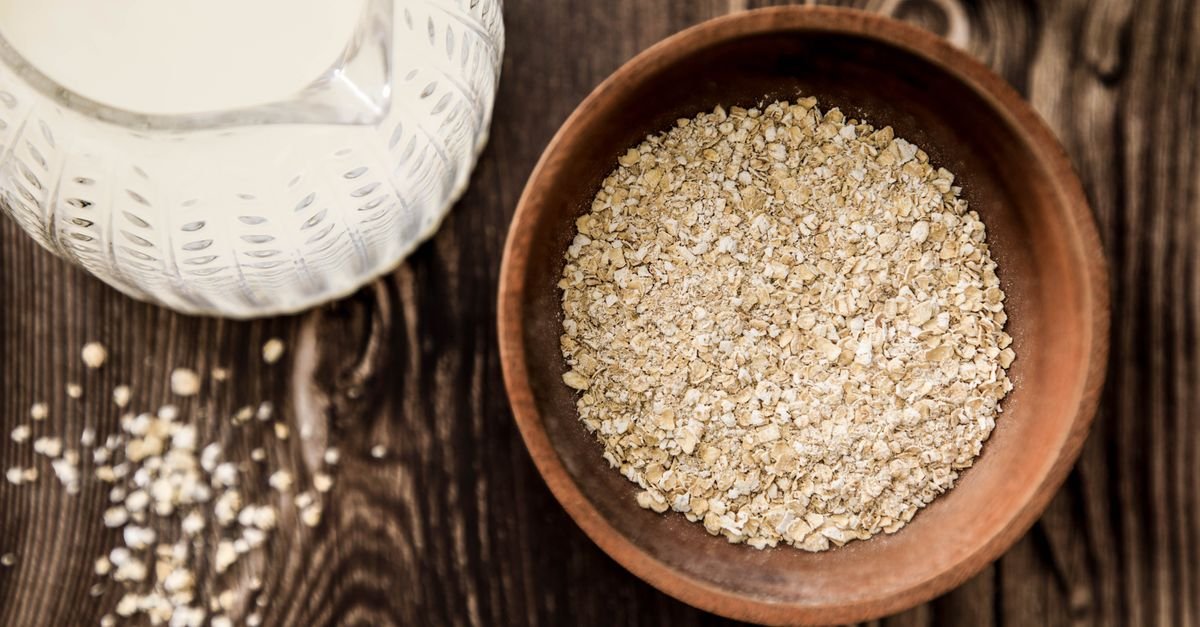
Colloidal oatmeal is not porridge ground finer. It is whole oat kernels (Avena sativa) milled to a particle size fine enough to stay suspended in water rather than settling to the bottom, then often further processed so the oat's oils, proteins and starches disperse evenly through a formula. That fine, uniform milling is what makes it usable in a lotion or cleanser instead of just a bath soak; coarse oat flour clumps and feels gritty, while true colloidal grade does not.
What is actually doing the work
- Avenanthramides: a group of antioxidant compounds fairly unique to oats, associated with a calming effect on irritated skin.
- Beta-glucans: long-chain sugars that form a light film on skin, helping it hold onto moisture and feel less tight.
- Saponins: natural, mild cleansing compounds that let oat-based washes clean without stripping the skin barrier.
- Lipids and proteins: a small fraction of fats and amino acids that contribute to the soft, cushioned feel oat products are known for.
Why it shows up in eczema and dry-skin products
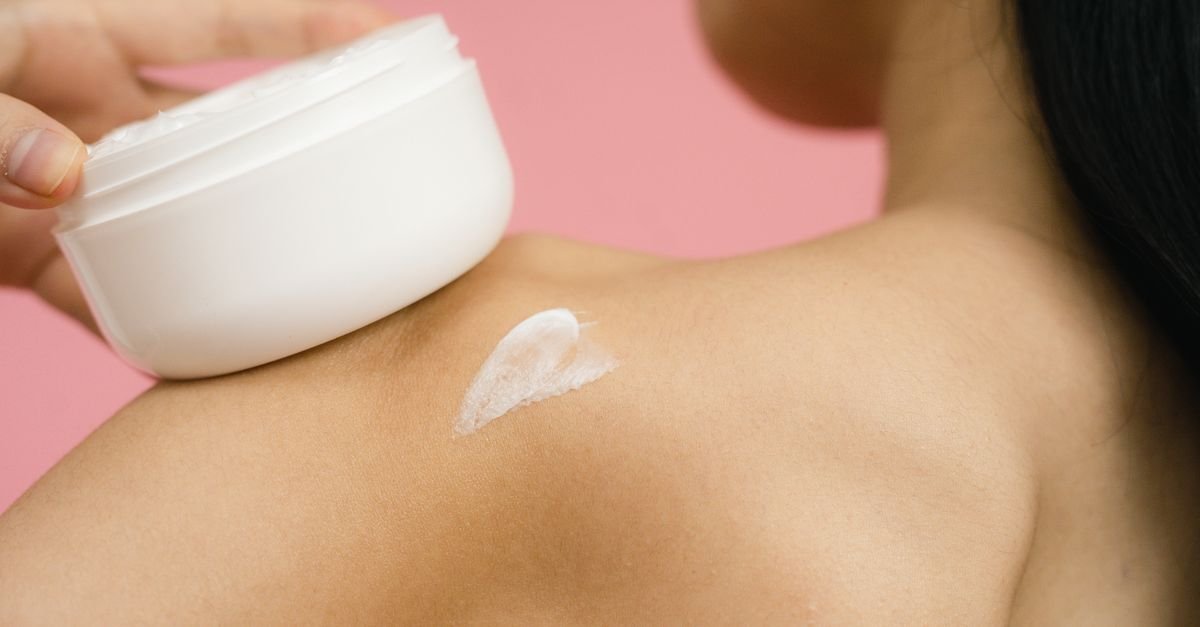
Colloidal oatmeal is one of the few natural ingredients recognized, in some regulatory frameworks, as a topical skin protectant. In practice this means it has a long track record for calming the itch-scratch cycle common in dry, reactive or eczema-prone skin, though it is a supportive ingredient, not a treatment for a diagnosed condition; a dermatologist should be consulted for ongoing eczema or dermatitis. Its appeal for reactive skin also comes from what it does not contain: no synthetic fragrance, no harsh surfactants and no drying alcohol, which matters for a category of user who reacts to exactly those ingredients in ordinary cleansers and lotions.
Formulating with it
In leave-on products such as lotions and creams, colloidal oatmeal is typically used at around 0.5% to 1%, enough to contribute its calming compounds without turning the texture pasty. It thickens a formula as it hydrates, so a formulator has to adjust other thickeners accordingly, and because it is an organic, starch-rich material, it needs a properly validated preservative system; oat-based formulas are more vulnerable to microbial growth than purely synthetic ones if preservation is skipped or under-dosed. Particle size also matters for skin feel: a lower-quality, coarser grade will leave a gritty residue that a fine colloidal grade avoids. Sourcing matters too: cosmetic-grade colloidal oatmeal is milled and tested to a finer, more consistent particle-size specification than food-grade oat flour, and using a genuine cosmetic grade, rather than substituting kitchen oats, is what keeps a formula's texture and microbial safety predictable from batch to batch.
What it will not do
Colloidal oatmeal calms and cushions; it does not exfoliate meaningfully, does not treat infection, and is not a substitute for prescribed eczema treatment during a flare. People with a known oat or gluten sensitivity should patch test, since oat-derived proteins, while rare as allergens, can trigger reactions in susceptible individuals.
Where it fits best
It performs best in simple, low-fragrance formulas aimed at reactive skin, cleansing bars, lotions, and bath additives, rather than in complex actives-heavy serums where its gentle profile gets lost among stronger ingredients.
Used at the right grade and percentage, colloidal oatmeal remains one of the most dependable calming ingredients available, precisely because it does not try to do more than it can. Assil Ouargane manufactures natural skincare in Morocco for private-label brands and can help select the right oat grade and preservation system for a sensitive-skin line; get in touch through the website for a quote.