Melt a spoon of beeswax into oil and watch it seize from liquid to solid within a narrow band of temperature, that single behavior explains most of why the ingredient has survived thousands of years in balms and salves while newer materials have come and gone.
What beeswax is doing chemically
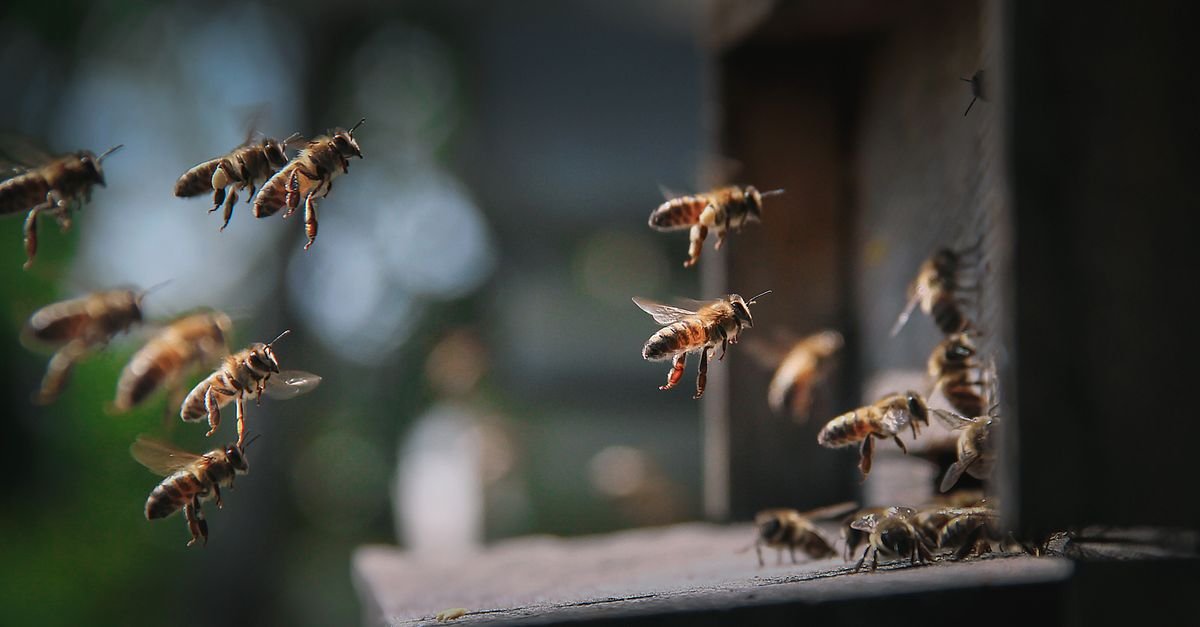
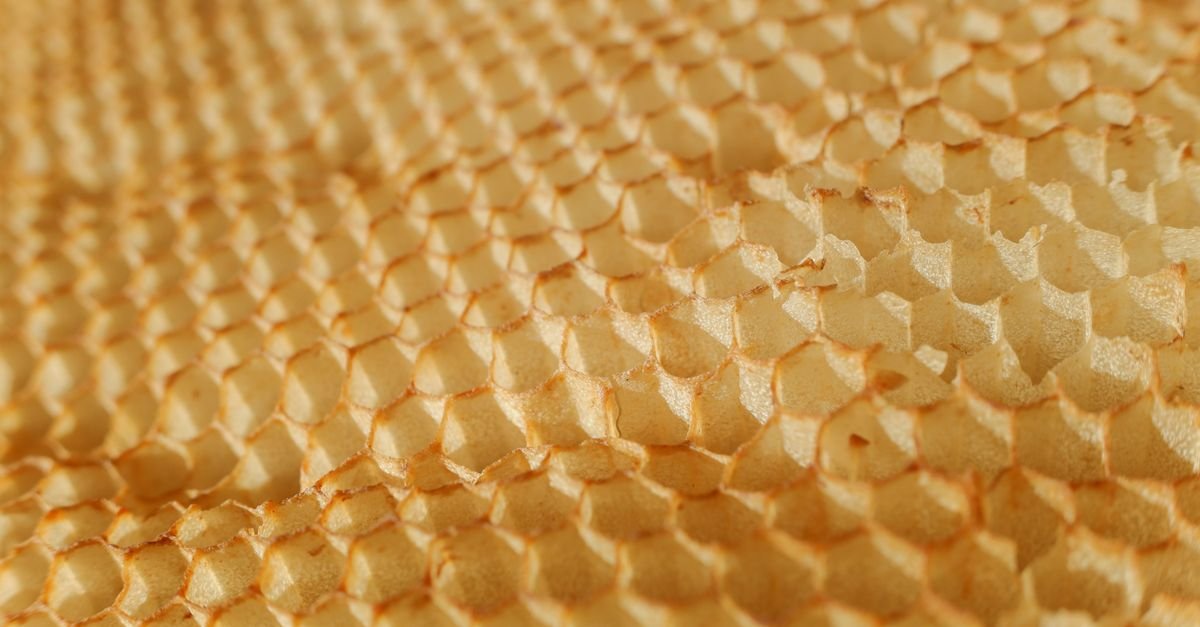
Beeswax is not a fat but a wax: a blend of long-chain esters, fatty acids and hydrocarbons secreted by worker bees to build the honeycomb. That structure gives it a firm, high melting point, roughly 62 to 64°C, well above room and body temperature, which is why a lip balm holds its shape in a warm bag but still softens the moment it touches skin.
The three jobs it does in a formula
- Structuring: beeswax hardens oils into balms, sticks and solid perfumes, holding a shape without needing refrigeration.
- Co-emulsifying: in creams, small amounts help stabilize an oil-in-water emulsion alongside a proper emulsifier, though beeswax alone is a weak emulsifier and rarely carries a cream on its own.
- Occlusion: on skin, it forms a breathable but protective film that slows moisture loss, useful on chapped lips, cracked heels and windburned skin.
Getting the ratio right
In a balm, beeswax typically runs from about 10% to 25% of the formula, depending on the oils used and the firmness wanted: a lip balm sits toward the higher end for a stick that holds up in a pocket, while a softer body balm sits lower. In a lotion or cream, it is usually a much smaller fraction, often 2% to 5%, added mainly for texture and a light protective film rather than as the main structuring agent. Too much beeswax makes a balm feel tacky and waxy rather than melting cleanly into skin; too little and a stick will not hold its shape. Batch-to-batch variation in the source oils also nudges these ratios: a lighter, more fluid carrier oil generally needs slightly more beeswax to reach the same firmness than a naturally thicker oil does.
The trade-offs a formulator has to weigh
Beeswax needs real heat to melt into an oil phase, which adds a processing step and a cooling curve that has to be managed carefully so the finished balm sets evenly instead of separating. It also carries a natural honey-like scent and a faint yellow to golden color unless a filtered, refined or cosmetic white grade is used, which matters for a fragrance-free or very pale formula. It is comedogenic to a moderate degree, meaning some acne-prone users may prefer lighter alternatives on the face even though it works well on lips and body. Filtered, cosmetic-grade beeswax also costs more than raw beeswax straight from the hive, a difference worth building into the price of a private-label balm line from the start.
What buyers should know
Beeswax is not vegan, since it is an animal-derived material produced by bees, and brands positioning a product as vegan need a plant-based alternative such as candelilla or carnauba wax, which behave differently and usually require reformulating the ratios rather than a straight swap. People with a known allergy to bee products, honey or pollen should be cautious with beeswax-based balms, since reactions, while uncommon, are documented.
Where it earns its place
Beeswax remains hard to beat for lip balms, cuticle sticks, solid perfumes and protective salves where a firm, skin-friendly structure matters more than a featherlight feel. For a whipped body butter or a fast-absorbing facial cream, lighter plant waxes or butters usually make more sense. A formulator moving from one oil blend to another should always re-test the ratio rather than assume the same percentage will behave identically.
Getting the ratio, grade and melting profile right is a formulation decision, not a guess, and it changes with every batch of oils used. Assil Ouargane manufactures natural balms, sticks and creams in Morocco for private-label brands and can help work out the right beeswax ratio for a given formula; reach out through the website for a quote.