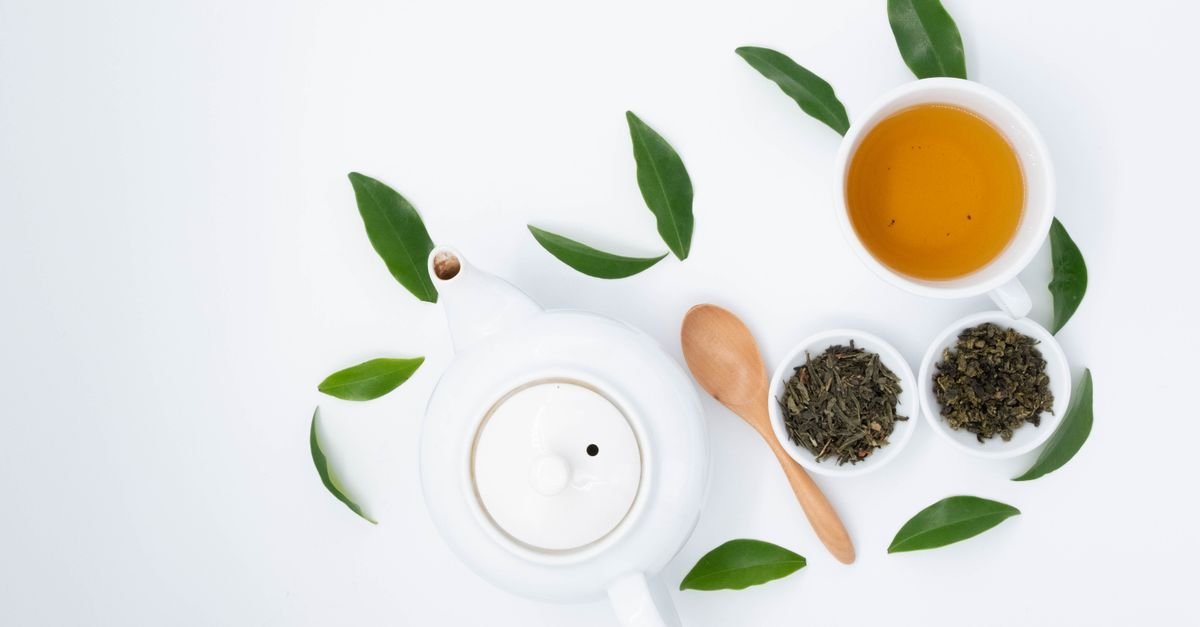
Steep a cup of green tea and let it cool, and you are looking at roughly the same polyphenol family that shows up, in concentrated form, in serums promising to calm redness and fight free radicals. The question worth asking is not whether green tea belongs in skincare, it clearly does, but how much of what is printed on the label actually reaches your skin in a form that works.
What is actually in the extract
Green tea (Camellia sinensis) owes its cosmetic reputation to catechins, a family of polyphenols, the most studied of which is epigallocatechin gallate (EGCG). These compounds are antioxidants: in a formula, they can help slow the oxidative damage that contributes to visible skin aging and to the breakdown of other actives and oils in the product itself. Green tea also carries a small amount of caffeine, which some eye creams lean on for its mild, temporary tightening effect on puffiness.
What formulators are actually working with
Most cosmetic green tea comes as a standardized extract, a powder or liquid with a guaranteed percentage of polyphenols, rather than brewed tea, whose strength varies with leaf, water temperature and steep time. Typical use levels for a green tea extract in a serum or cream run from about 0.5% to 2%, high enough to contribute real antioxidant activity without destabilizing the rest of the formula. Below that range, the ingredient is often present mainly for the label. Extraction method matters too: water- or glycerin-based extracts tend to suit leave-on formulas better than glycolic extracts, which can shift a formula's overall pH.
The stability problem nobody advertises
Catechins are reactive by nature, which is exactly what makes them useful, and exactly what makes them hard to keep intact. They degrade with exposure to light, heat, oxygen and high pH, so a jar left on a sunny bathroom shelf loses potency faster than an airless pump kept in a drawer. A well-made formula pairs green tea with other antioxidants such as vitamin E, keeps the pH mildly acidic, and packages the product to limit air and light contact. None of this shows up on the ingredient list, which is why two products with identical percentages can behave very differently on skin.
What it can realistically help with
- Environmental stress: antioxidants in the formula help offset the oxidative load from sun and pollution, alongside, never instead of, daily sun protection.
- A feeling of calm: many people with reactive or oily-prone skin find green tea-based toners and light gels comfortable, though individual response varies and it is not a treatment for a diagnosed skin condition.
- Formula longevity: as an antioxidant, it can support the shelf life of oils and other actives it is blended with.
Where the hype outruns the evidence
Green tea is not a substitute for sunscreen, it does not detoxify skin, and no topical antioxidant reverses existing sun damage. Claims of dramatic pore reduction or acne clearance from green tea alone are stronger than the ingredient supports on its own; it tends to work best as one contributor in a formula built around a few well-chosen actives, not as a headline ingredient doing all the work.
Formulating with it
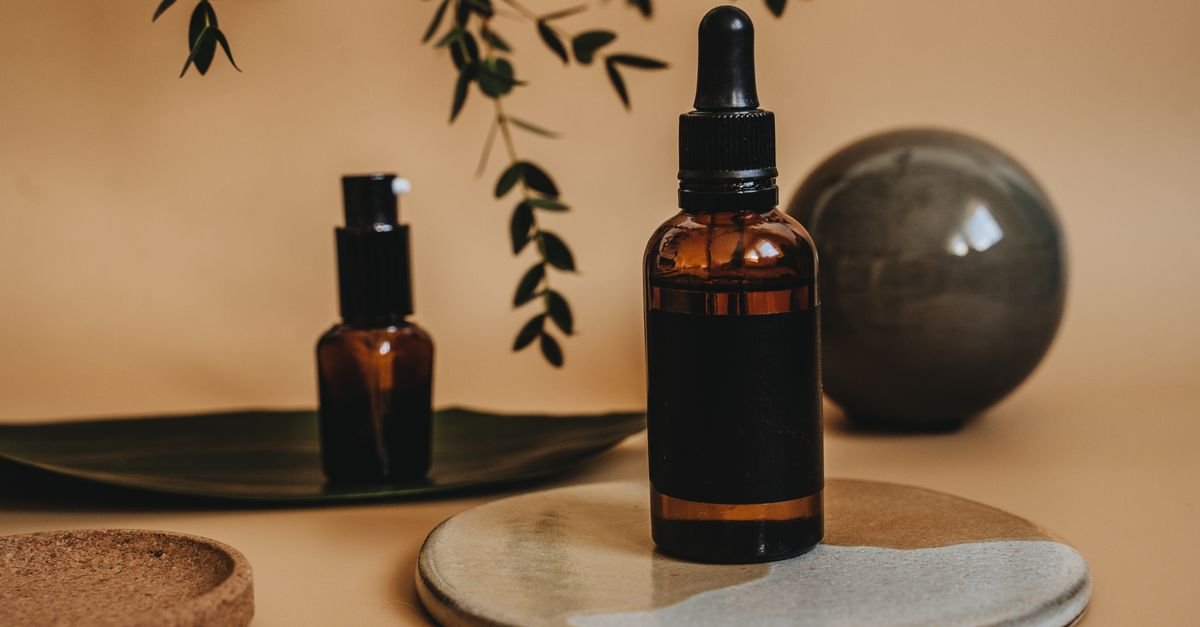
For a brand building a serum or toner around green tea, the honest approach is to source a standardized, tested extract at a meaningful percentage, protect it with opaque or airless packaging, and pair it with complementary antioxidants rather than relying on tea alone to carry the formula's story.
Used this way, green tea earns its place in a formula without needing to be oversold. Brands that skip stability testing on their own batches often discover that the antioxidant claim on the label no longer matches what is actually left in the jar by the time it reaches a customer. Assil Ouargane formulates and manufactures natural skincare in Morocco for private-label brands, and can advise on realistic active percentages and stable packaging for a green tea-based line; reach out through the website for a quote.