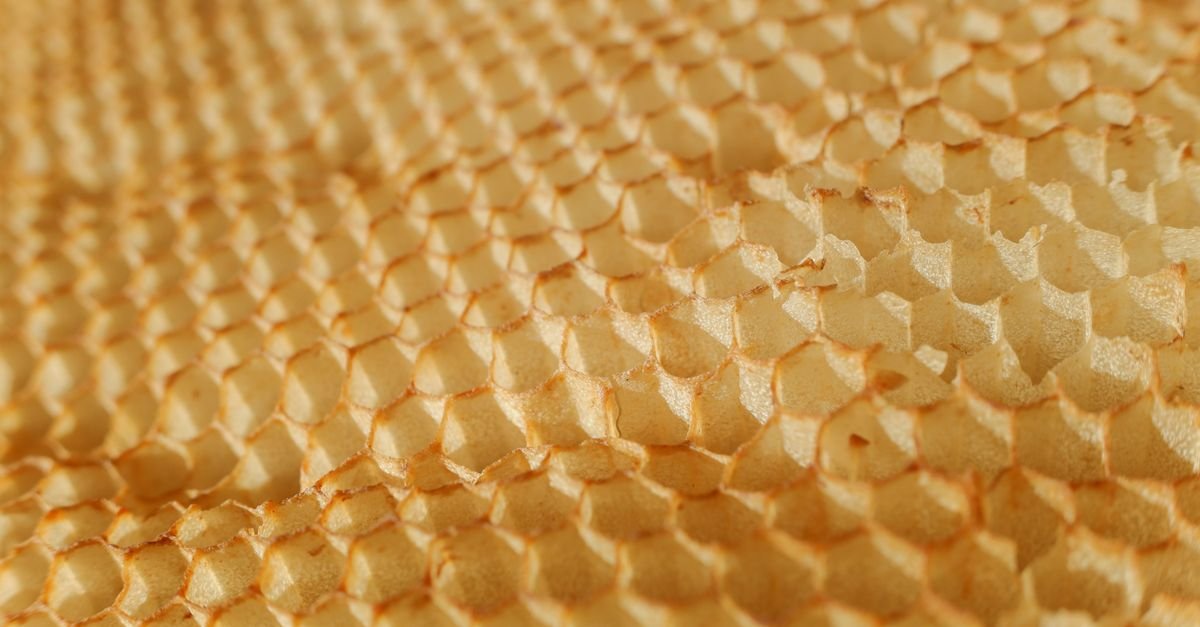
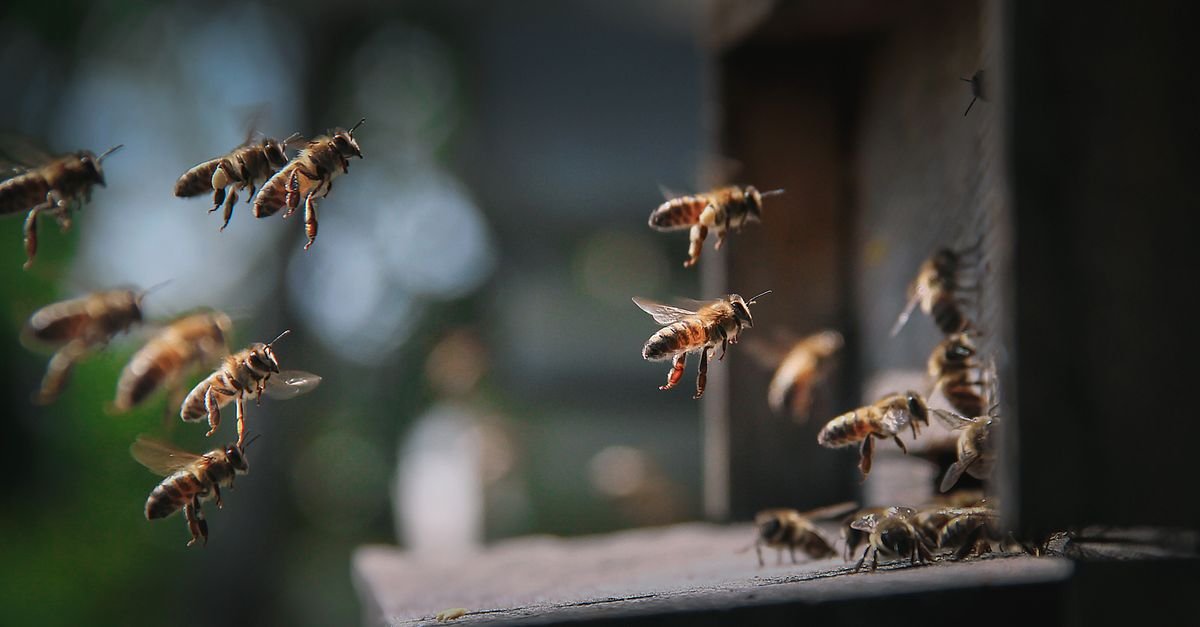
Ask a beekeeper which hive product is the hardest to harvest and most will not say honey, they will say propolis, the sticky resin bees scrape together to seal every gap in the hive, or royal jelly, the substance a colony makes only to raise its queen. Both have found their way into serums and creams, for reasons that have little to do with each other.
Propolis: the hive's sealant, borrowed for skin
Propolis is a resin bees collect from tree buds and sap, then mix with their own secretions to seal cracks and keep the hive's interior close to sterile. That original job hints at what formulators use it for: propolis extract carries flavonoids and phenolic acids valued for their antioxidant properties, and the ingredient has a long folk history of use on minor skin irritations, though it should not be treated as a substitute for medical treatment of an infection or wound.
How propolis is actually used
Because raw propolis is sticky and resinous, it is almost always processed into a tincture or standardized extract before it goes into a formula, typically used at low concentrations, often in the range of 1% to 3% in a serum or cream. Its natural color ranges from amber to dark brown, which can tint a light formula, and its resin content means it needs to be properly dissolved and filtered, not just stirred in, or it will leave gritty particles behind. Ethanol-based tinctures are the most common starting point, since they dissolve the resin efficiently, but the alcohol has to be reduced or fully accounted for before the extract goes into a leave-on formula meant to be alcohol-free.
Royal jelly: built for a queen, borrowed for skin
Royal jelly is a different substance entirely: a thick, milky secretion worker bees produce to feed larvae and, exclusively, the queen throughout her life. It is rich in proteins, B-vitamins, particularly pantothenic acid, and a unique fatty acid called 10-HDA, found almost nowhere else in nature. Cosmetically, it is valued as an emollient and conditioning ingredient, contributing a soft, nourished feel to creams and masks rather than any dramatic transformation.
Why it is hard to formulate with
Royal jelly's proteins are heat- and light-sensitive, so raw royal jelly degrades quickly and must be kept cold. Most cosmetic royal jelly is freeze-dried into a stable powder or diluted into a preserved extract before use, typically added at a modest 0.5% to 5% depending on the concentration of the source material. A formula built with fresh, unstabilized royal jelly is a shelf-life risk that most brands are not equipped to manage. Even a stabilized powder benefits from cold storage before use and from being added late in the process, after the main heating and mixing steps, so its actives are not exposed to unnecessary heat.
The allergy caution that matters most
- Propolis: a recognized contact allergen for a minority of users, particularly those already sensitive to poplar tree resin or balsam of Peru; a patch test is worth recommending before regular use.
- Royal jelly: documented cases of more serious allergic reactions exist, especially in people with asthma or existing bee-product allergies, so it should be used cautiously and never marketed as suitable for everyone.
- Neither is vegan: both are animal-derived hive products, and brands need a genuinely plant-based alternative if they want a vegan claim.
Where each one earns its place
Propolis fits naturally in formulas built around a calming, protective story for occasional-use skin care; royal jelly fits best in richer, nourishing creams and masks positioned for mature or dry skin. Neither is a headline ingredient that should carry a formula alone, and both need careful sourcing and stabilization to perform consistently from batch to batch.
Handled correctly, these are two of the more distinctive natural actives a brand can offer, and two of the least forgiving if handled carelessly. Assil Ouargane manufactures natural skincare in Morocco for private-label brands and can advise on sourcing, stabilization and safe labeling for hive-based ingredients; reach out through the website for a quote.