Buyers, retailers and end customers ask the same question again and again: is argan oil safe for someone with a nut allergy? The answer is neither a flat yes nor a flat no, and a brand that replies with a marketing line puts itself and its customers at risk. This article covers what is known, what is not settled, and how to take a responsible position.
What argan is, botanically
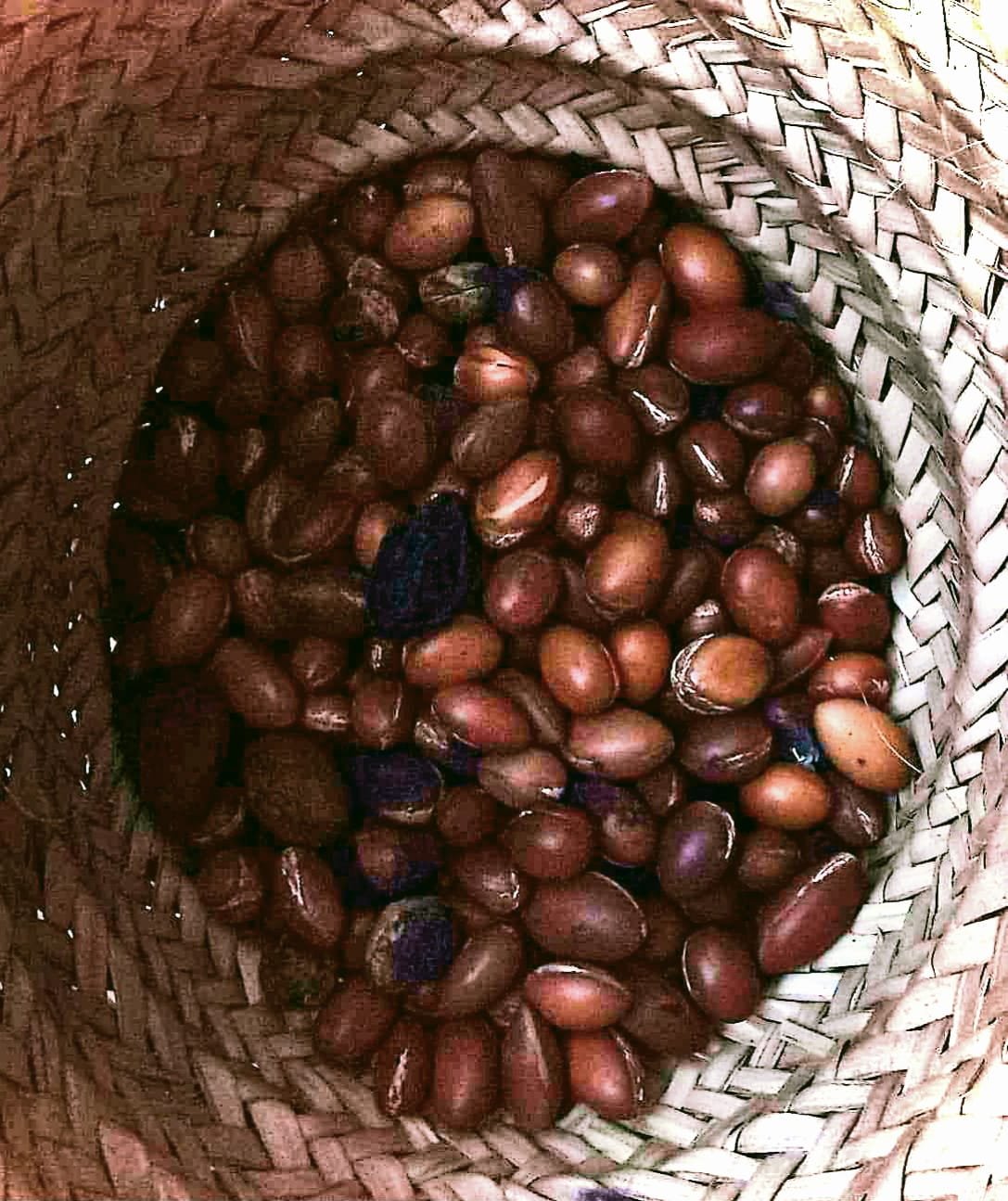
The argan tree (Argania spinosa) belongs to the Sapotaceae family. Its fruit holds a hard stone containing small kernels from which the oil is extracted. It is not among the tree nuts usually named in food allergen lists, such as almond, hazelnut, walnut, cashew and pistachio. That suggests lower risk, but it is not a guarantee for any individual.
What is not certain
- An individual allergy can target ingredients not classed as common allergens, and isolated reactions to argan have been reported, described as rare in the medical literature.
- General evidence does not support saying argan is risk-free for everyone with a nut allergy.
- Cross-reactivity varies from person to person and belongs with a clinician.
The responsible wording is to advise people with known allergies to consult a doctor and patch test, not to promise absolute safety.
Cosmetic versus food use
Skin contact and ingestion do not behave the same way. For culinary argan oil, follow the food labelling rules of your target market and check with the local authority what must be declared. Note compound products: amlou usually contains almonds, a recognised allergen, which must be clearly declared whatever the status of argan itself.
Cross-contact
Even if argan itself is low risk, the oil can be contaminated if processed on lines that also handle nuts. Ask the factory:
- Are other nuts handled at the same site or on the same equipment?
- How are lines cleaned between products, and is it documented?
- Are lines separated or production scheduled to reduce risk?
- Can you get a written statement for the product file?
A serious factory answers without discomfort. Do not rely on a verbal promise.
How to word your message
| Recommended | Avoid |
|---|---|
| "People with known allergies should patch test and consult a doctor" | "Completely safe for nut allergy sufferers" |
| Declare any other nuts in the product | Using "100% natural" as if it meant safe |
| State manufacturing conditions if documented | "Allergen-free" with no proof |
| Offer a contact channel for questions | Ignoring allergy enquiries |
"Free from" claims are regulated in each market.
Patch testing
Anyone with a known allergy should test a small skin area and watch it for more than a day. See our article how to patch test properly, and include this guidance on the product card or an insert.
Pre-launch checklist
- Get a written allergen and cross-contact statement from the factory.
- Review the whole formula: fragrance, essential oil or plant extract may be the trigger.
- Check labelling requirements in the target market.
- Prepare a reviewed standard reply for customer questions.
- Keep batch records for traceability.
FAQ
Is argan oil a nut?
Botanically its kernels are not among the tree nuts usually listed as allergens. That does not rule out individual reactions; patch testing and medical advice remain the basis.
Can someone allergic to almonds use argan?
There is no general answer. Allergy is individual and the decision belongs to a doctor.
Is a warning needed on the label?
It depends on market law and the ingredients. At minimum: full ingredient list, a patch test note and declaration of any other nuts.
What if a customer reports a reaction?
Advise them to stop use and seek medical advice, record the batch number and inform the factory.
Next step
If you are launching an argan product and want clear documents on ingredients and manufacturing, get in touch. Browse our products, then request a quote including your labelling and allergen questions.