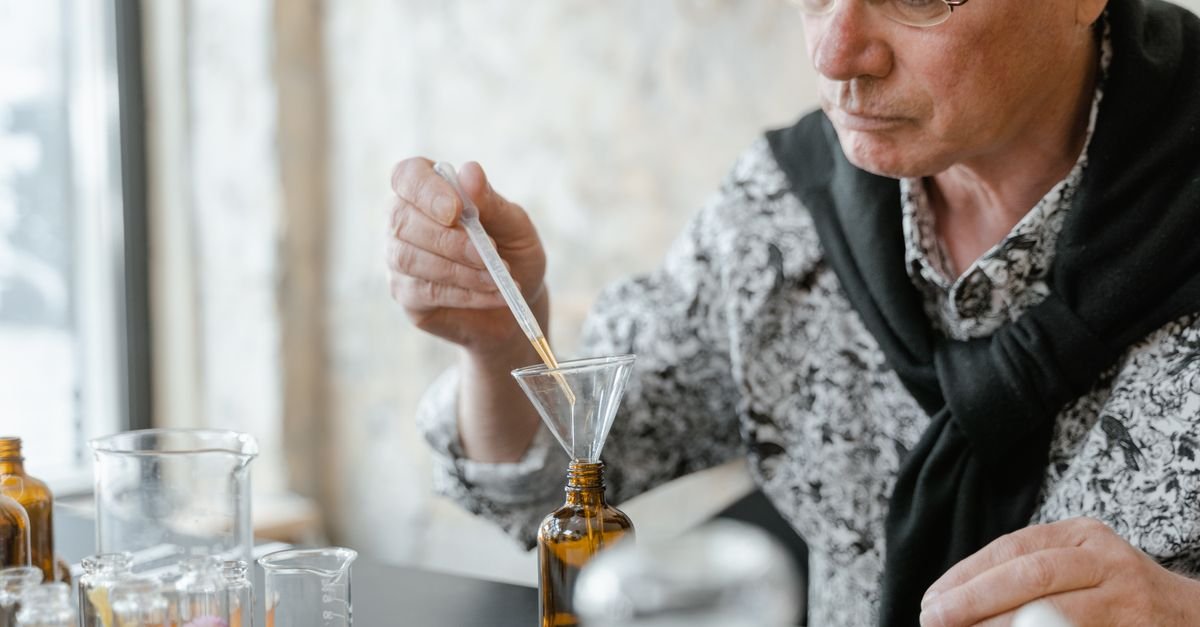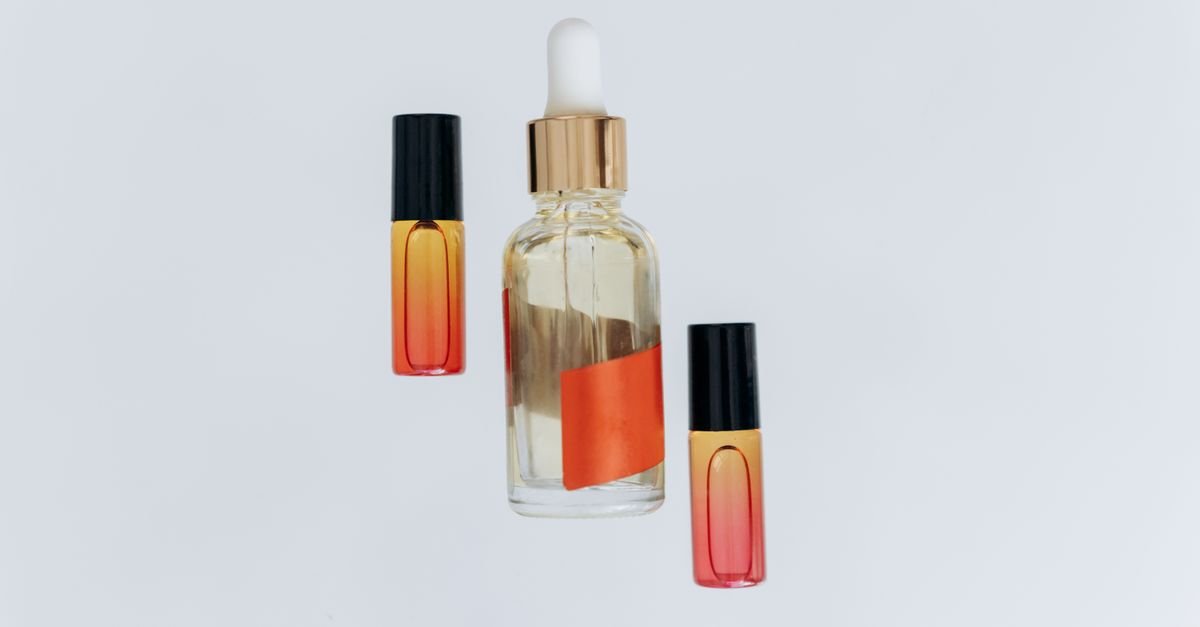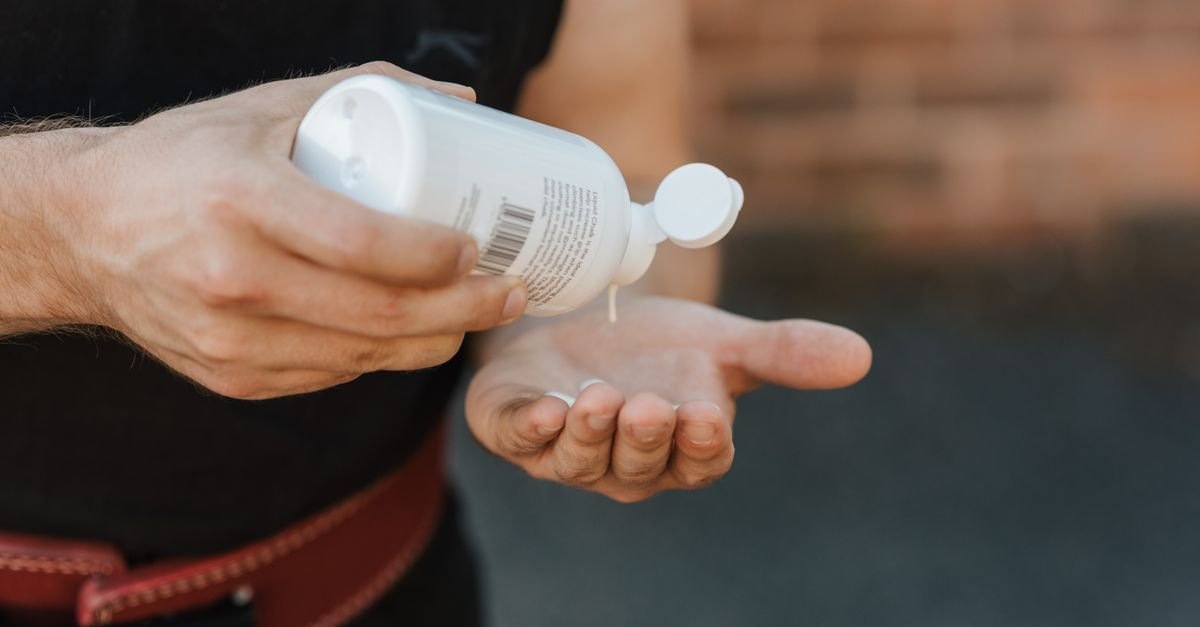
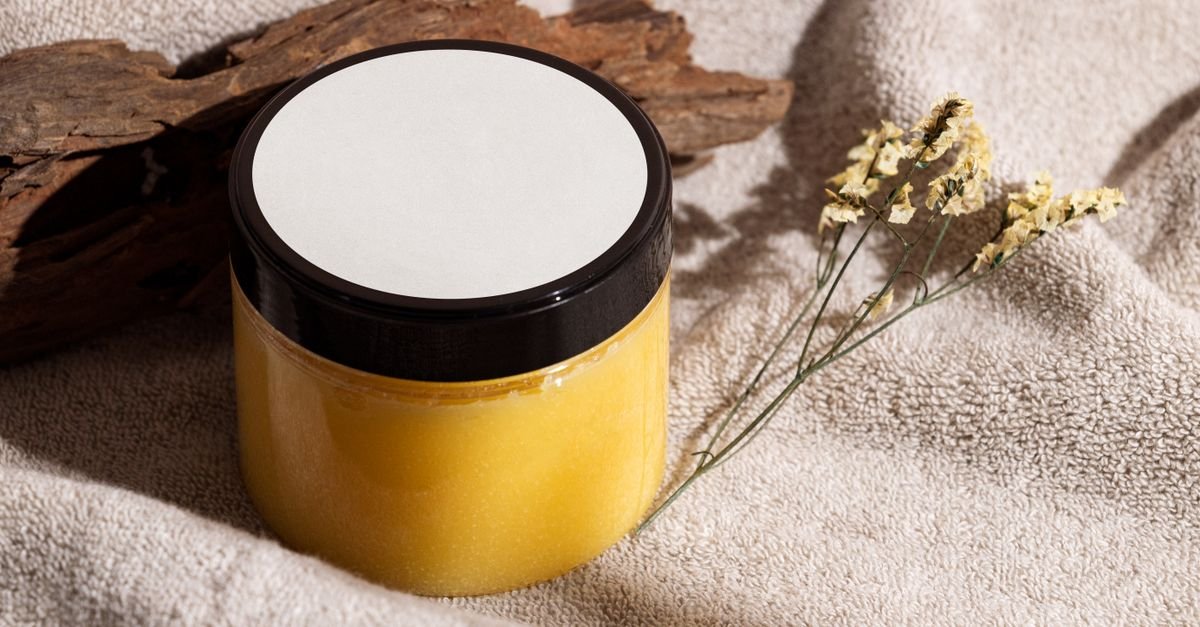
Two amber jars sit side by side on a formulator's bench: one holds a thin, fast-moving liquid, the other a pale, semi-solid paste that needs a spatula to scoop. Both are labeled argan. Only one of them pours. The difference between argan oil and argan butter trips up more brand founders than almost any other question we get, and getting it wrong changes how a finished product feels, spreads and performs.
What argan oil actually is
Argan oil is the pure, cold-pressed liquid extracted from the kernels of the argan tree, native to the Souss region of southwestern Morocco. It is 100% oil, nothing added, nothing removed beyond filtration. At room temperature it stays liquid, with a light, slightly nutty scent when unrefined, and it absorbs into skin and hair without heavy residue. This is the ingredient people mean when they talk about Moroccan oil in skincare and hair care.
What argan butter actually is
Argan butter is not a whipped or aerated version of the oil, and it is not something the argan kernel produces on its own. It is a formulated blend, typically argan oil combined with a solid vegetable fat, such as shea butter or another plant butter, then whipped to a spreadable texture. Because it is a blend, its exact argan content varies from one supplier to another, and a serious manufacturer will disclose the ratio rather than let argan butter imply the jar is pure argan.
How they behave on skin and hair
Oil spreads thin, penetrates quickly, and layers well under other products, which is why it works in serums, hair-tip treatments and finishing drops. Butter sits on the surface longer, melts slightly with body heat, and leaves a richer, occlusive film, which suits balms, thick creams, cuticle sticks and winter-only body products. Neither is better in the abstract; each is built for a different job on the skin.
Choosing between them for a product line
- Facial serums and light moisturizers: argan oil, because it needs to absorb without leaving a film under makeup.
- Body balms, foot creams and cuticle care: argan butter, because the occlusion and cushion are the point.
- Hair oils and leave-in treatments: argan oil, applied sparingly on lengths and ends, never on the scalp in large amounts.
- Solid or stick formats: argan butter, since it holds shape without added wax, or with only a small amount.
- Massage oils: argan oil alone, or blended with a lighter carrier oil to control glide and cost.
Blending both in one formula
Many of the best-performing finished products use both: argan butter for structure and cushion, argan oil folded in at the end to soften the set texture and add slip. This is common in body butters and richer face creams, where the butter carries the formula and the oil finishes it. A private-label client choosing this route should ask their manufacturer for the exact ratio and for the argan oil's own grade, cold-pressed and unrefined versus refined, since that single detail affects scent, color and shelf life far more than most people expect.
What to check before you commit to either
Ask for the country and region of origin, the extraction method for the oil, and, if buying butter, the full ingredient breakdown rather than a marketing name. A supplier that presses its own oil and formulates its own butter in-house can trace both back to the same kernels, which matters for consistency between batches and for any claim you plan to put on packaging.
Neither ingredient is a shortcut and neither replaces good formulation work around it, but choosing the right one for the right product is one of the cheapest ways to make a line perform better. Assil Ouargane manufactures natural Moroccan argan oil and argan butter under private label for brands building exactly this kind of range, and welcomes a quote request through the website for anyone ready to formulate.