Spray a perfume on bare skin and it is gone within an hour. Blend that same fragrance into a dry oil and it can still be there at midday. The difference is not the perfume, it is the oil carrying it.
Why oil changes how fragrance behaves on skin
Perfume alcohol evaporates fast, taking the lightest fragrance notes with it and leaving the heavier base notes to linger unevenly. An oil base slows that evaporation across the board, releasing top, heart, and base notes more gradually and closer together, which is why a perfumed body oil tends to smell more like the fragrance concentrate itself, softer and rounder, rather than the sharper opening of an alcohol spray. This is also why the same fragrance concentrate can smell noticeably different once it is diluted into an oil rather than an alcohol base, since the carrier changes not just how long the scent lasts but how it is perceived from the first moment it touches skin.
Why argan oil specifically works as a carrier
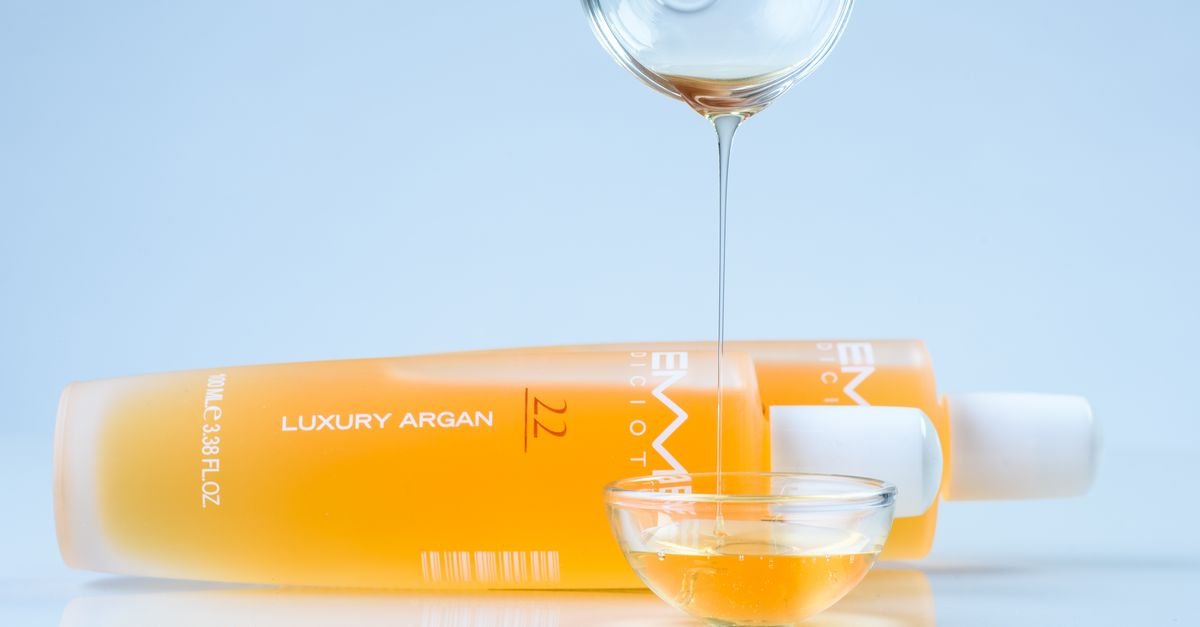
Argan oil is lighter and faster-absorbing than many vegetable oils used in body-oil formulas, so it does not leave the greasy film that can make a fragrance feel muddled or heavy on skin. It also has a mild, naturally nutty scent of its own, faint enough not to compete with a fragrance oil but present enough that a skilled formulator has to account for it, since it can slightly warm a fragrance's opening or soften a very sharp top note. Heavier oils such as castor or wheat germ can mute a fragrance's brighter top notes almost entirely, which is one reason argan oil is often chosen over them when the brief calls for a scent that still reads clearly rather than one buried under the base.
What dry oil actually means
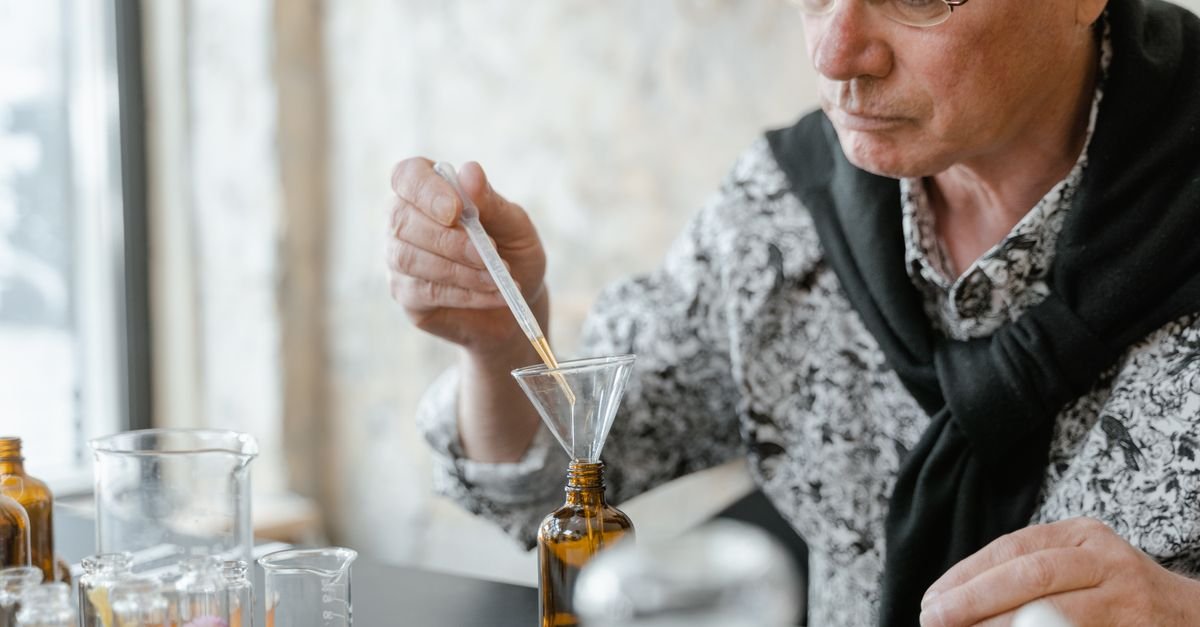
A dry oil is not a different ingredient, it is a texture built through blending: lighter oils like argan combined with fast-spreading esters or lighter carrier oils so the finished product sinks in within seconds rather than sitting on the surface. Fragrance oils are then dispersed into that blend at a low enough percentage that they stay suspended and do not separate over the product's shelf life.
What formulators actually manage
- Fragrance load: perfumed body oils typically carry 1 to 3 percent fragrance oil, well below the 15 to 30 percent used in alcohol-based perfume, since oil already amplifies how a scent reads on skin.
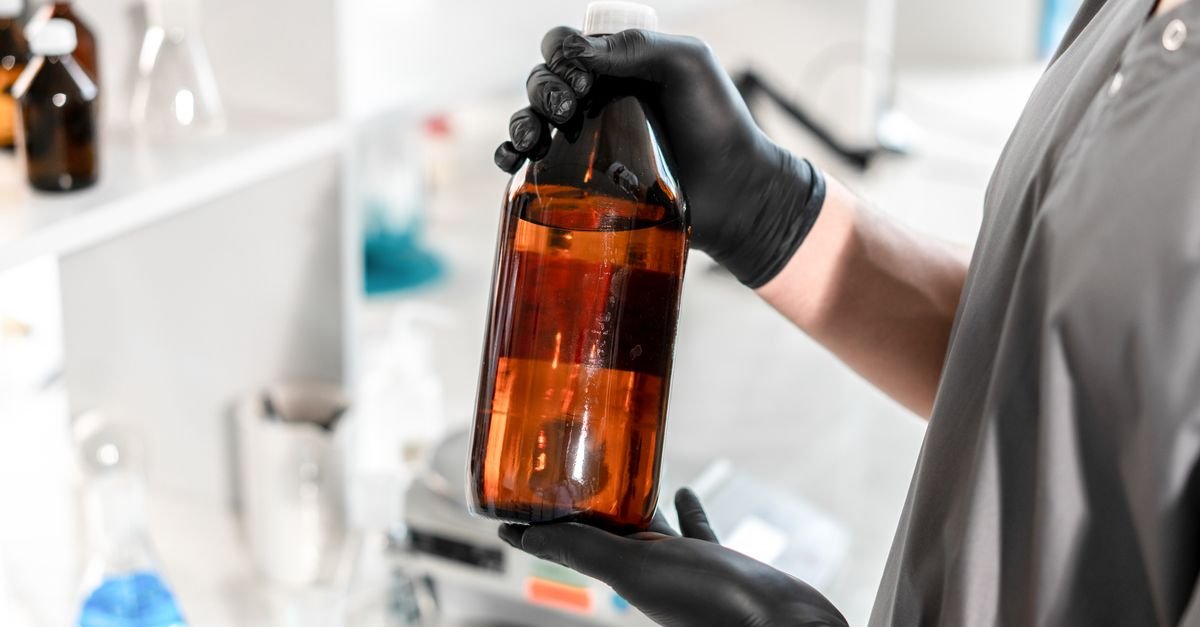
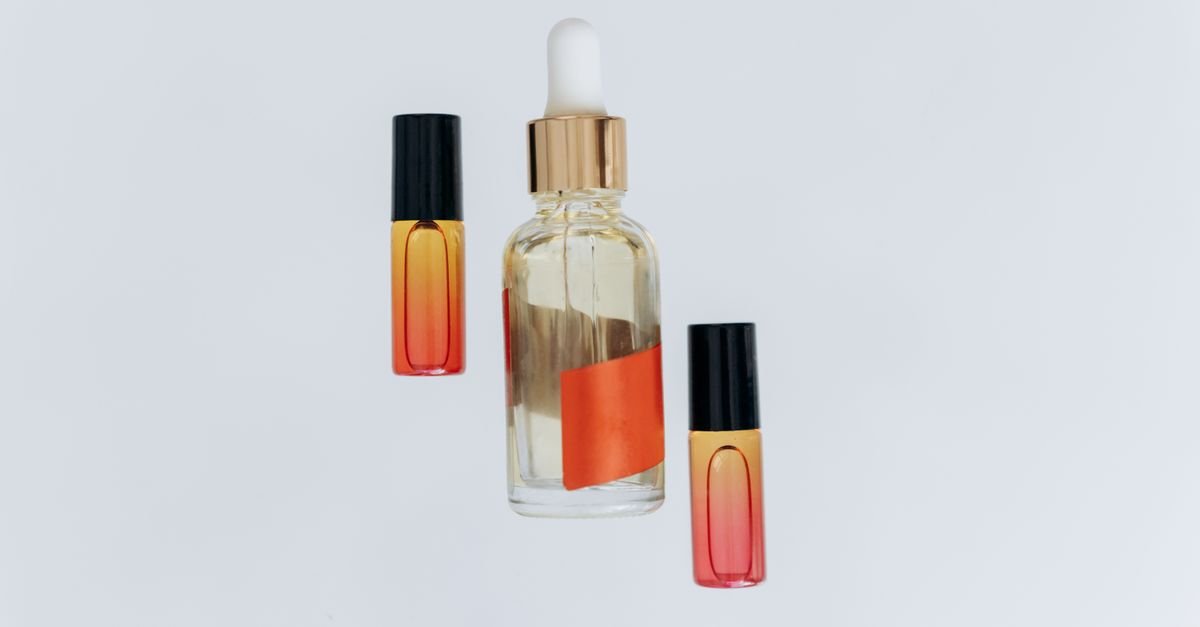
- Photostability: some fragrance compounds degrade or discolor under UV light faster in an oil base than in alcohol, which is one reason perfumed oils are usually sold in amber or opaque bottles.
- Skin sensitization: a higher fragrance concentration touching skin directly, rather than evaporating off it, raises the importance of using fragrance materials within recognized safe-use limits for leave-on oil products.
- Base oil oxidation: since the carrier oil sits on skin far longer than an alcohol perfume, its own oxidative stability affects how the whole product smells over months, not just the fragrance itself.
What actually goes wrong
The most common failure is not the fragrance, it is the base oil going slightly rancid before the bottle is even half used, which changes the scent from within regardless of how good the original perfume oil was. A close second is overloading the fragrance percentage to make the scent last longer, which instead pushes the product past comfortable skin tolerance for daily use.
The market case for doing this properly
A perfumed dry oil sits at an interesting point between skincare and fragrance, appealing to buyers who want scent without alcohol and to retailers who can merchandise it in both categories. Getting it right means treating the base oil's quality and stability as seriously as the fragrance itself, since a beautiful scent cannot rescue a base that has started to turn.
Assil Ouargane formulates and manufactures perfumed argan body oils and dry oils under private label, with the base oil quality controlled from source. Contact us through the website to discuss a formulation and request a quote.