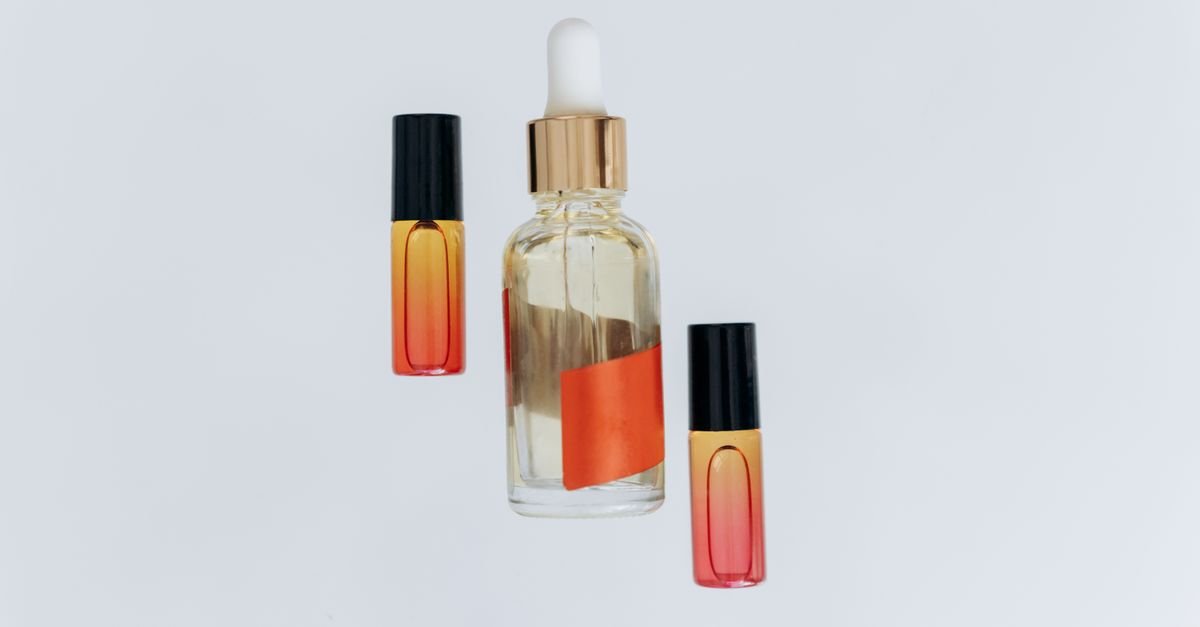
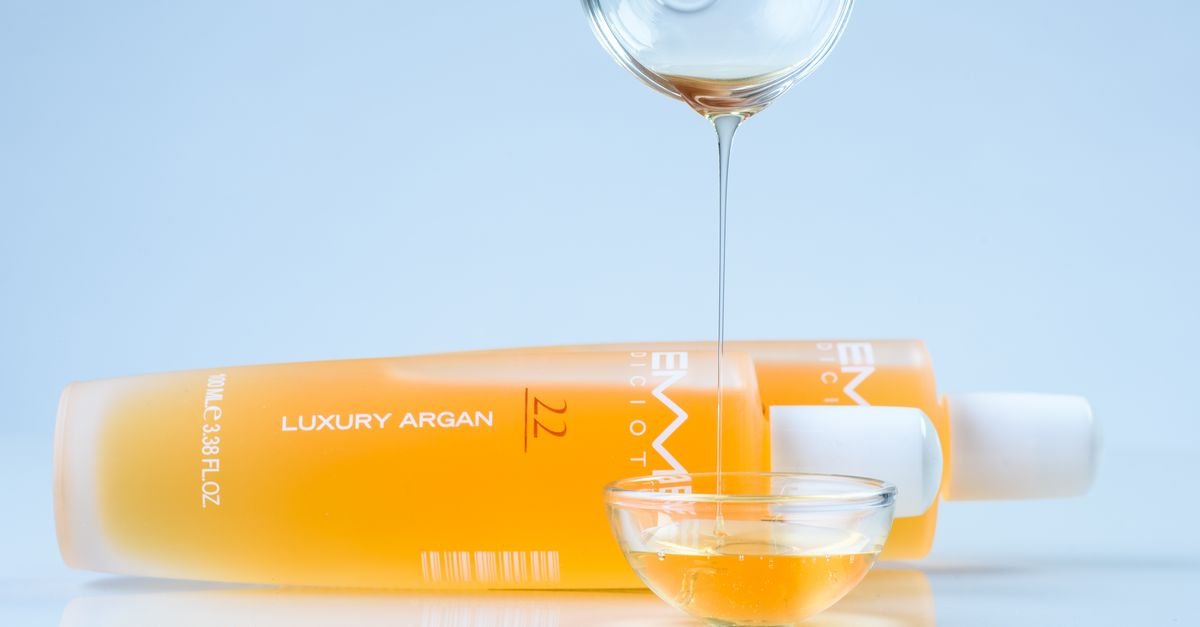
A dermatologist once described skin as a rainforest rather than a wall: billions of bacteria, fungi and other microorganisms living on its surface, most of them quietly doing work that keeps the skin balanced. Pour an oil onto that rainforest and the question is not whether something happens, but what.
What the skin microbiome actually does
The skin's resident microorganisms form a thin, living layer that competes with harmful bacteria for space and food, helps maintain a slightly acidic surface pH, and interacts with the skin's own barrier lipids. When this community is in balance, skin tends to look calmer and feel more comfortable. When it is disrupted, by harsh cleansing, dry climate, or over-exfoliation, skin can become reactive, tight, or prone to breakouts.
Argan oil is not a probiotic, and that is fine
Argan oil does not contain live bacteria and will not seed the skin with anything. Its role is different: it is mostly composed of oleic and linoleic fatty acids, plus vitamin E and plant sterols, and these compounds interact with the skin's surface rather than with its microbial residents directly. Any brand claiming argan oil restores the microbiome is overstating what a single-ingredient plant oil can do.
Where the real interaction happens
The more accurate story is indirect. A well-preserved skin barrier, one that is not stripped of its natural lipids, tends to host a more stable microbial community. Argan oil's fatty acid profile is close enough to skin's own sebum that it can reinforce the barrier without leaving a heavy film, which is one reason formulators reach for it in place of heavier occlusive oils. This distinction matters more for how a product can be marketed than most brands admit, since a barrier-support claim is verifiable in a way a direct microbiome claim rarely is.
Fatty acids, pH and why the balance matters
Healthy skin sits at a mildly acidic pH, usually between 4.5 and 5.5. This acidity favors beneficial microorganisms over less welcome ones. Argan oil itself is pH-neutral and does not shift skin pH on contact, but by supporting barrier function it can help skin hold onto the acidity it needs, rather than actively changing it.
What formulators and buyers should watch for
For a private-label skincare line, the microbiome angle is worth using carefully. Overpromising invites regulatory trouble and disappointed customers; understating it wastes a genuinely interesting ingredient story. The honest position is that argan oil supports the conditions skin needs to keep its own microbial balance, rather than managing that balance itself.
- Cold-pressed, unrefined oil: retains more of the vitamin E and polyphenols that support barrier lipids, compared with refined or deodorized grades.
- Low processing temperature: preserves fatty acid integrity, which matters more for barrier support than for any direct microbial effect.
- Pairing with gentle cleansers: a barrier-friendly routine matters more than any single oil; harsh surfactants can undo what the oil supports.
- Patch testing: even natural oils can trigger reactions in sensitive or already compromised skin, so testing before full use is worth recommending.
What this means for a product story
A brand can honestly say that argan oil is compatible with the skin's natural barrier and does not disrupt its acidity, which supports the conditions a balanced microbiome needs. That is a defensible, specific claim, and it is more credible to an informed buyer than a vague promise to balance the microbiome. For anyone concerned about ongoing skin conditions, seeing a dermatologist remains the right first step; an oil is a supporting habit, not a treatment, and it works best alongside gentle cleansing rather than in place of it.
Assil Ouargane presses and refines argan oil in the Souss region and formulates it into finished skincare for brands that want an honest, well-documented ingredient story rather than an exaggerated one. If you are building or supplying a skincare line, get in touch through the website to discuss a private-label formulation and request a quote.