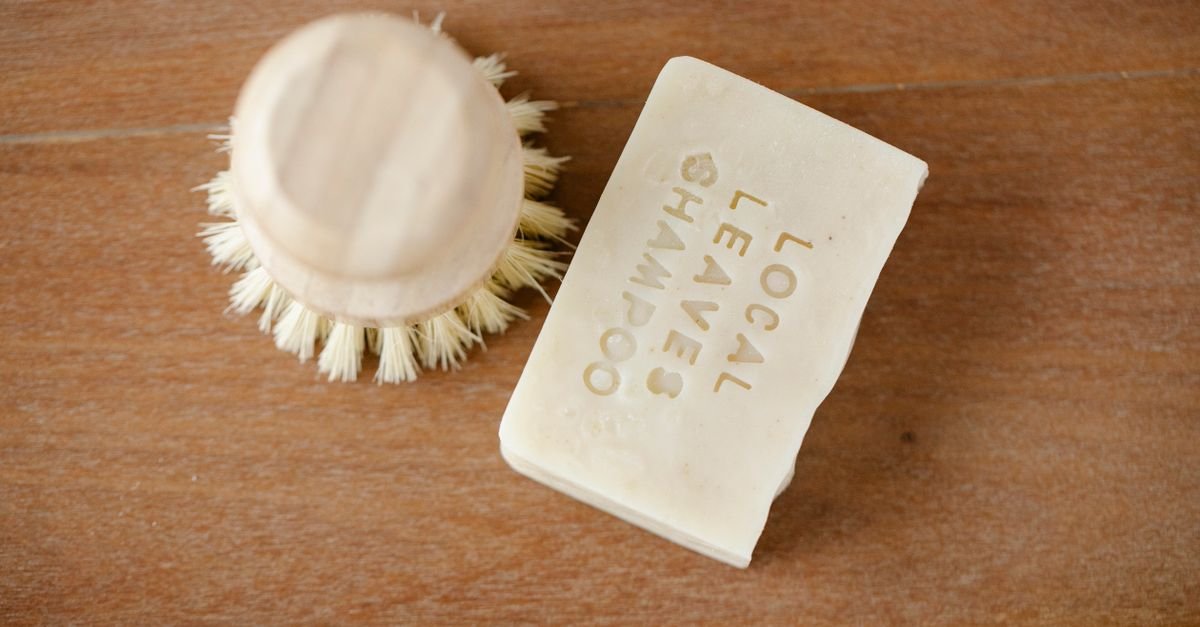
Squeeze a bottle of shampoo and you are mostly paying to ship water. A solid bar removes that water, and with it a long list of preservatives, plastic, and freight weight, but it changes how every oil in the formula has to behave.
Why solid formats change the rules for oils
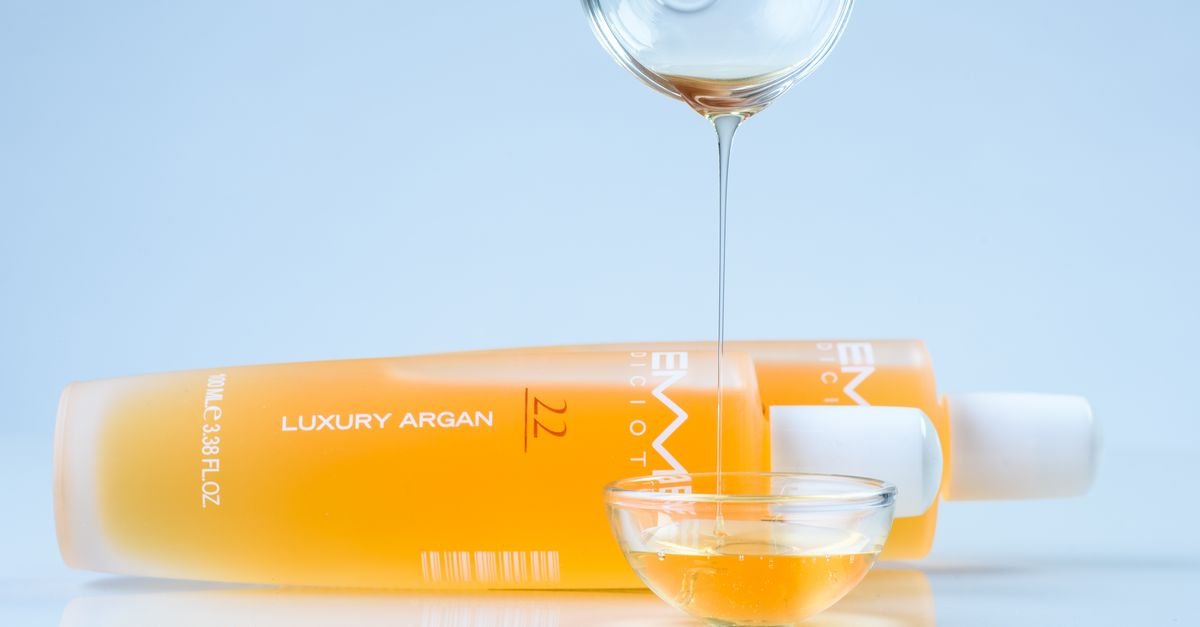
A liquid shampoo or lotion carries its oils suspended in water with the help of emulsifiers and a preservative system built for a wet environment. A bar has almost no free water, so the oil, the surfactant base, and any butters have to work together as a solid structure that still melts, foams, or glides the moment it meets skin or wet hair. Argan oil earns its place here because it is liquid at room temperature but light enough not to make a bar greasy or soft.
What argan oil actually contributes in a bar
In a shampoo bar, argan oil sits between the surfactant crystals and coats the hair shaft as the bar is used, which many people notice as smoother detangling and less frizz once hair dries. In a lotion or balm bar, it softens the texture of harder butters like shea or cocoa butter, keeping the stick glide-able instead of waxy, and it absorbs faster than heavier oils, so the bar does not leave a thick film.
The melting point problem
Bars fail in two predictable ways: they turn soft and mushy in a warm bathroom, or they turn hard and unpleasant in a cold one. Argan oil, used at the right percentage, helps soften a bar's feel without pushing its melting point too low. Formulators generally keep liquid oils like argan under 15 to 20 percent of a hard bar's oil phase, leaning on higher-melting butters and waxes for structure and using argan for skin feel and shine.
What actually matters for a stable bar
- Oil phase ratio: argan oil typically sits at 5 to 15 percent of total formula weight in shampoo bars, and up to 20 percent in balm sticks, balanced against harder butters and waxes.
- Saponification value: if the bar is a true cold-process soap rather than a syndet base, argan oil's saponification value needs to be calculated into the lye amount, since under- or over-estimating it leaves lye-heavy or overly soft bars.
- Cure time: a cold-process bar with argan oil still needs four to six weeks of curing to harden properly and lose excess water, no matter how good the oil is.
- Oxidation control: because bars are stored and used over weeks in a humid bathroom, the argan oil going in needs a clean oxidative stability profile, or the bar's shelf life shortens fast.
Where brands get the story wrong
Some solid-bar brands market bars as one hundred percent argan oil, which is usually not physically realistic, since a bar made entirely of liquid oil will not hold its shape at room temperature. A bar that lists argan oil first in its ingredients should mean it is present at a meaningful percentage, not a token drop added mainly for the label. What a brand can honestly claim is that argan oil is a functional part of the formula, chosen for skin and hair feel rather than as a marketing flourish, and that the bar was engineered to actually work as a solid product, not just look natural on a shelf.
The market angle worth taking seriously
Solid bars appeal to buyers who care about plastic reduction and travel convenience, and to retailers who want a longer shelf life and lower shipping cost per unit than liquid bottles. They also give a brand an opening to talk about sourcing more directly than a liquid format allows, since a bar's short ingredient list makes each component more visible to the buyer. For a private-label client, the honest pitch is a bar formulated with a real oil percentage that performs, tested for melting behavior in the climate it will actually be sold in, not a generic recipe repackaged with an argan label.
Assil Ouargane manufactures argan-oil-based solid bars and other Moroccan natural products under private label for brands building this category. Reach out through the website to discuss a formulation and request a quote.