Many brand founders enter the beauty world with passion and a clear vision, but no scientific background in formulation. The good news: you do not need to become a chemist. Understanding the core principles is enough to communicate confidently with your manufacturer's development lab and make informed decisions about your product.
The Three Families of Ingredients
Every cosmetic formula is built, in practice, from three categories of ingredients:
- Actives: the ingredients that deliver the product's promise, such as argan oil for hydration and nourishment, or botanical extracts traditionally known for their benefits.
- Base ingredients: the structure that carries the actives — water, oils and emulsifiers that create the texture.
- Functional ingredients: preservatives, pH adjusters and fragrance — essential for stability and safety.
Percentage Is Not Everything
A common mistake is believing that a higher dose of an active always means a better product. In reality, every ingredient has an effective and safe usage range; exceeding it can cause stability problems or skin irritation. A professional formulator balances efficacy, safety, sensory feel and cost — and that balance is exactly where an experienced manufacturer adds value.
Texture and Senses Come First
Consumers do not read the ingredient list before judging how a product feels and smells. Developers therefore spend a great deal of time tuning sensory properties: is the cream light or rich? Does it leave a greasy film? Is the scent natural or perfumed? When developing your product, request several samples with different textures and test them yourself and with a small panel of users before final approval.
Stability: The Test You Cannot Skip
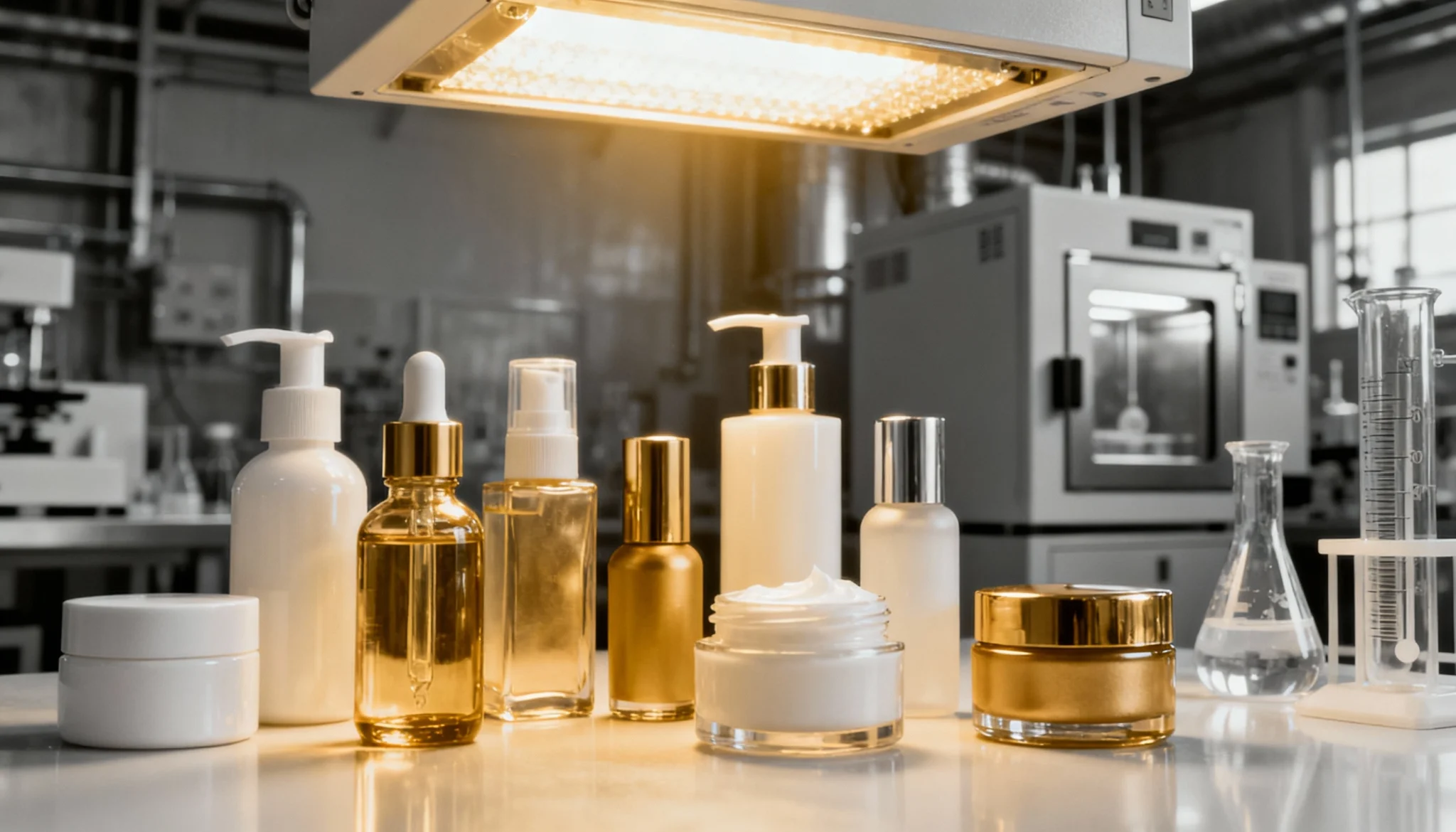
A formula that looks beautiful in the lab may separate or change color after months on a shelf. Stability testing exposes the product to high temperatures, low temperatures and alternating cycles to simulate the passage of time. No serious manufacturer will produce a formula that has not passed these tests. Always ask your partner about their stability protocol.
Natural Claims and Marketing Language
Words like natural, organic and free-from carry different meanings depending on the market and the regulator. Before printing any claim on your packaging, make sure your formula genuinely supports it and that your target market allows it. A good manufacturer helps you craft accurate claims that protect your brand rather than expose it.
How to Work with the Development Lab
Give your factory a clear product brief: target audience, core promise, desired texture, ingredients you want and ingredients you refuse, and your target retail price. The sharper the brief, the fewer revision rounds you will need — and the faster your product reaches the market.
At Assil Ouargane in Morocco, our development team works with brands step by step, from idea to final formula, using natural Moroccan ingredients and full private-label manufacturing services. Reach out through our website to request a quote for your next product.