Before it became a sought-after ingredient in kitchens around the world, argan oil was, and remains, a cornerstone of the Moroccan table, especially in the south of the country where the argan tree grows. Its warm, nutty flavor and deep ties to heritage give it a double appeal today: historical authenticity and a modern presence in the world of fine food. Understanding this story helps brands offer a product that carries meaning, not just an oil.
Roots in Moroccan Cuisine
The use of culinary argan oil in Morocco goes back centuries, tied to the Amazigh regions of the south. It was, and still is, served at the everyday table and carries a cultural value that goes beyond food. Its traditional production method, based on cold pressing roasted kernels, made it a symbol of authenticity and of a craft passed down through generations.
Traditional Dishes That Showcase Its Flavor
Argan oil features in time-honored Moroccan dishes that reveal the range of its uses:
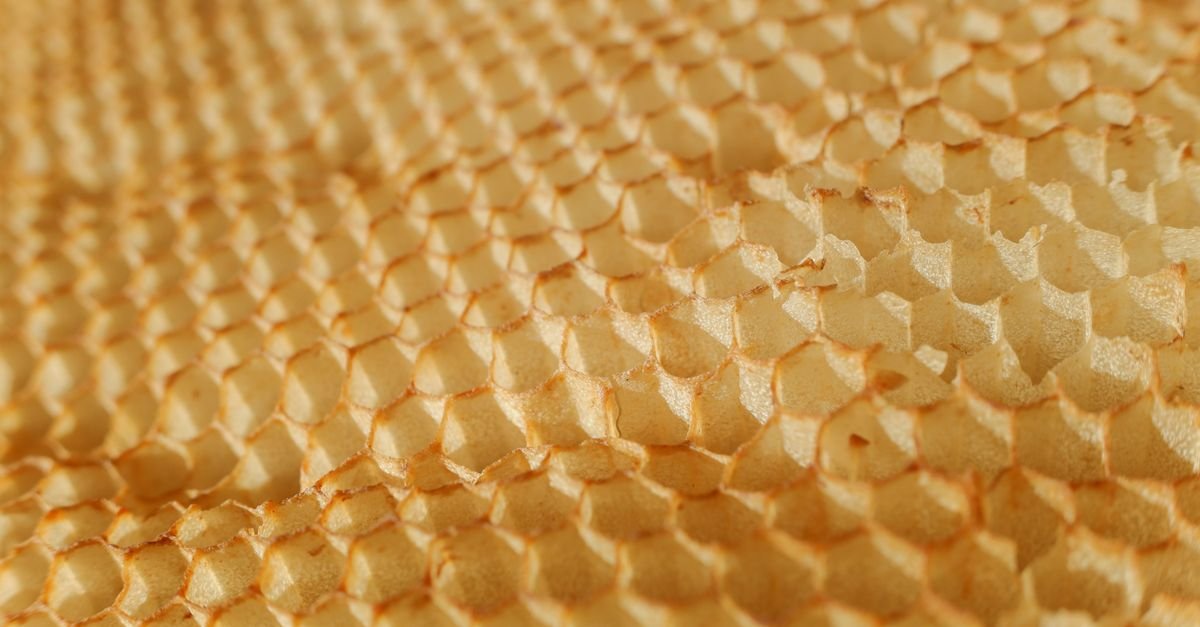
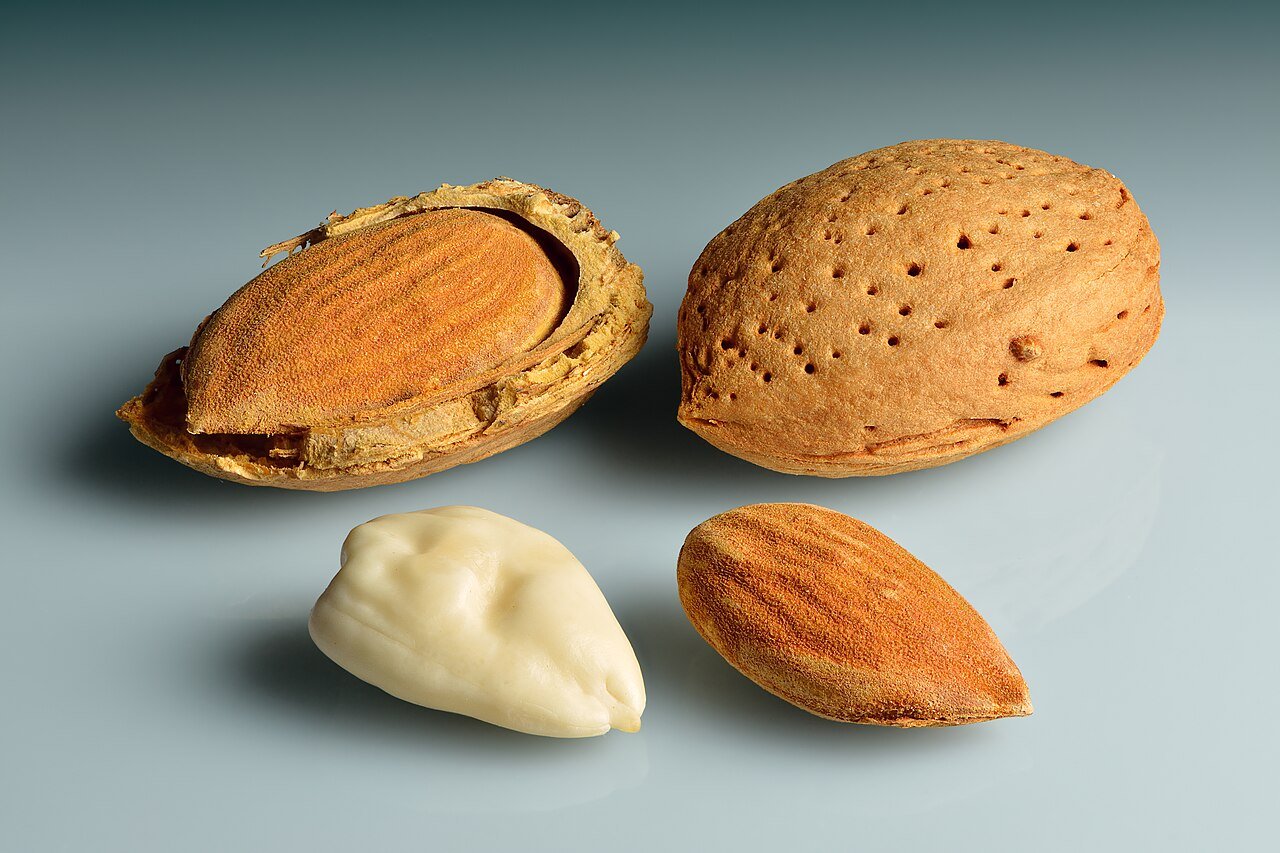
- Amlou: the spread of almonds, honey, and argan oil served with bread at breakfast.
- Bread dipped in oil: a simple habit where the oil accompanies fresh bread, sometimes with honey.
- A drizzle over couscous and tagine: a finishing touch on the plate to add depth of flavor.
- Dressings and salads: it gives salads a distinctive nutty note.
In all of these uses, the oil is not cooked at high heat but usually added at the end to preserve its flavor.
What Sets Its Flavor Apart
Culinary argan oil is known for a warm, nutty flavor reminiscent of toasted hazelnut, with a subtle note that sets it apart from any other oil. That flavor comes from roasting the kernels before cold pressing. Its rich golden color and characteristic aroma make it an element that adds a signature to any dish, which is exactly what chefs and food lovers seek.
Modern Appeal in Gourmet Markets
The world is showing growing interest in authentic ingredients with a clear story and origin. Culinary argan oil fits this trend perfectly: a relatively rare product, tied to a specific geographic region, with an inimitable flavor. Chefs and premium brands present it as a finishing oil, in fine restaurants and on the shelves of specialty stores. This position opens the door for new brands to present it as a story-driven product rather than a commodity.
How to Build a Brand Around This Heritage
To present culinary argan oil successfully, the brand owner needs to respect its authenticity: preserve the traditional flavor, be transparent about origin and method, and choose packaging that reflects its value. The sincere story of Moroccan roots and traditional production is what gives the product its added value in the global market.
From the Akhsass region near Agadir, where the argan tree is part of daily life, Assil Ouargane produces culinary argan oil and other authentic Moroccan products under clients' own brands. This closeness to the source and commitment to the traditional method give entrepreneurs a product carrying real heritage, one they can present with confidence to gourmet markets.