
A gruelling exam season, months of work pressure, a difficult life event... then, weeks later, you notice more hair than usual on your pillow and in the shower drain. This experience is remarkably common — the link between psychological stress and hair shedding is real and well documented. Understanding it properly is the first step to facing it calmly.
How Does Stress Reach Your Follicles?
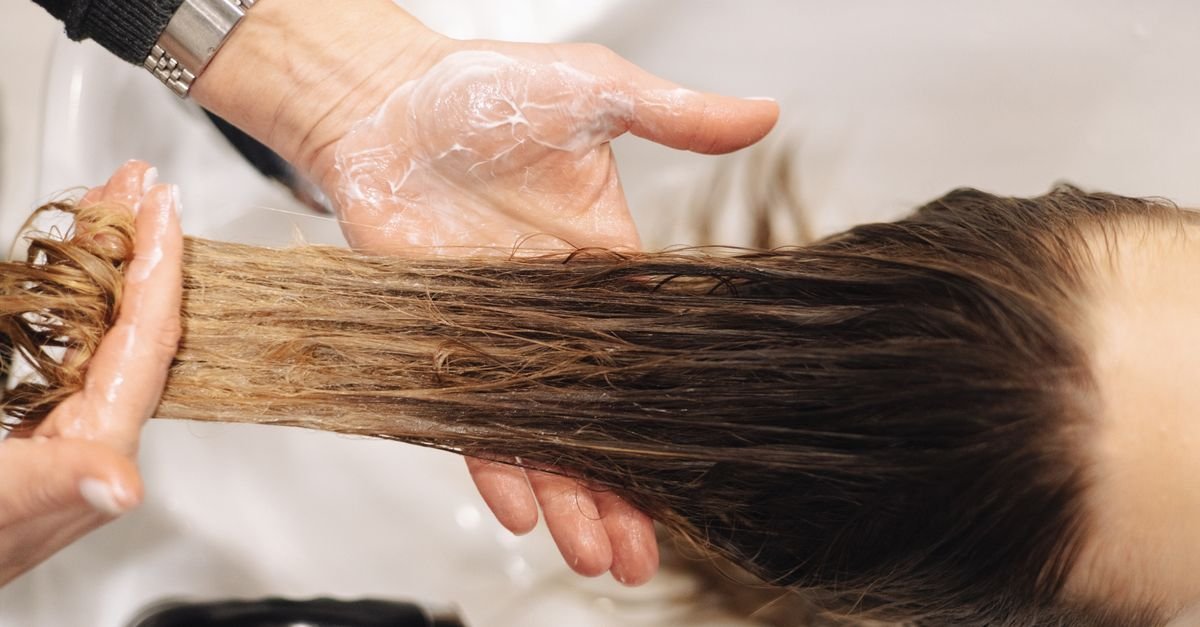
Hair follows a natural three-phase cycle: active growth lasting years, a brief transition, then a resting phase that ends with the strand falling out to make way for a new one. Normally, the vast majority of your hair is in the growth phase. But intense or prolonged stress can push an unusually large share of follicles into early rest — a condition known as telogen effluvium.
Why the Shedding Arrives Late
The most confusing part: shedding typically shows up two to three months after the triggering event, because a hair that enters the resting phase needs that long before it actually falls. You may have already moved past the crisis emotionally just as your hair begins to show its traces. That is, in itself, reassuring — the shedding is an echo of a chapter that has closed, not necessarily a sign of an ongoing problem.
The Good News: It Is Usually Temporary
In most stress-related shedding, follicles resume normal activity on their own once the trigger has passed, and density gradually returns over several months. A note of caution, though: if heavy shedding persists, appears in patches, or comes with other symptoms, see a doctor to rule out other causes such as iron deficiency or thyroid issues.
Practical Steps to Break the Cycle
Treat the root: the stress itself
- Regular, sufficient sleep — sleep deprivation raises stress hormones.
- Daily movement, even a walk: one of the best natural calmers of the nervous system.
- Deep breathing, meditation or quiet reflection; moments of stillness are not a luxury.
Support your body nutritionally
Stressful periods raise the body's nutrient needs precisely when they push us towards poor eating. Prioritise adequate protein, iron and healthy fats.
Be gentle with your hair
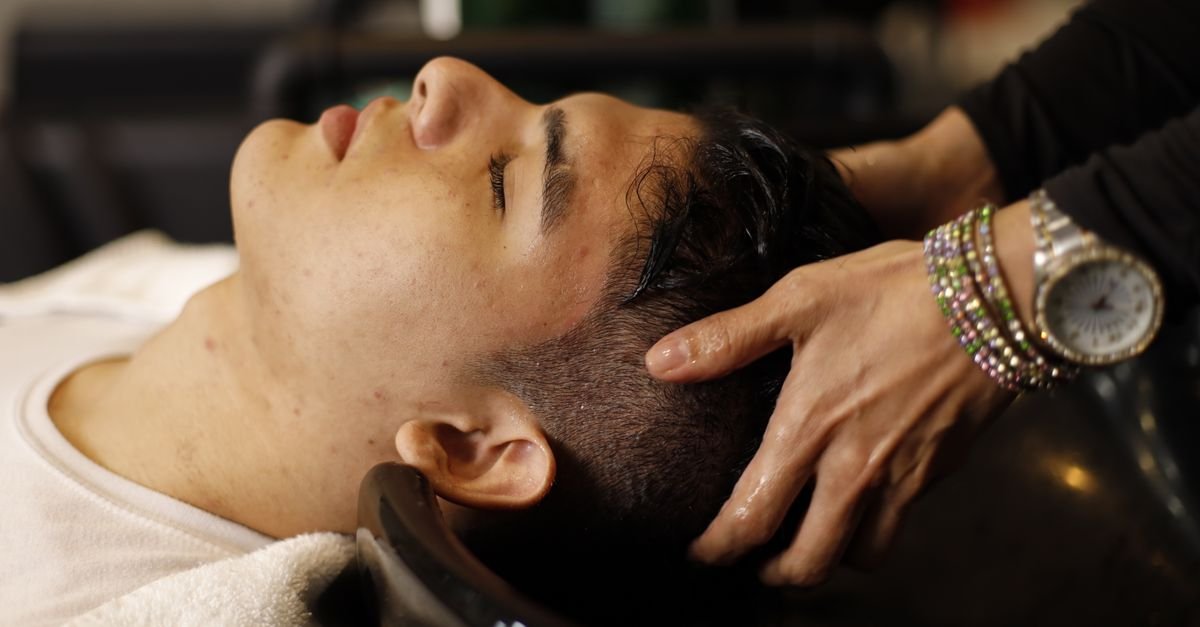
While shedding, avoid harsh pulling, high heat and tight hairstyles. A lovely Moroccan habit worth borrowing: massaging the scalp with a few drops of warm argan oil. The massage stimulates scalp circulation and offers a genuine moment of relaxation, while the oil is traditionally known for nourishing and strengthening hair.
Do Not Stress About the Shedding Itself
Constant worry about falling hair can itself become a stress source that feeds the problem. Treat this as a passing phase and focus on what you control: your sleep, your plate, and a gentle care routine.
If you are looking for pure natural oils to accompany your hair's recovery, Assil Ouargane manufactures argan oil and natural hair-care products in Morocco, and offers private-label manufacturing for brands. Visit our website to request a quote.