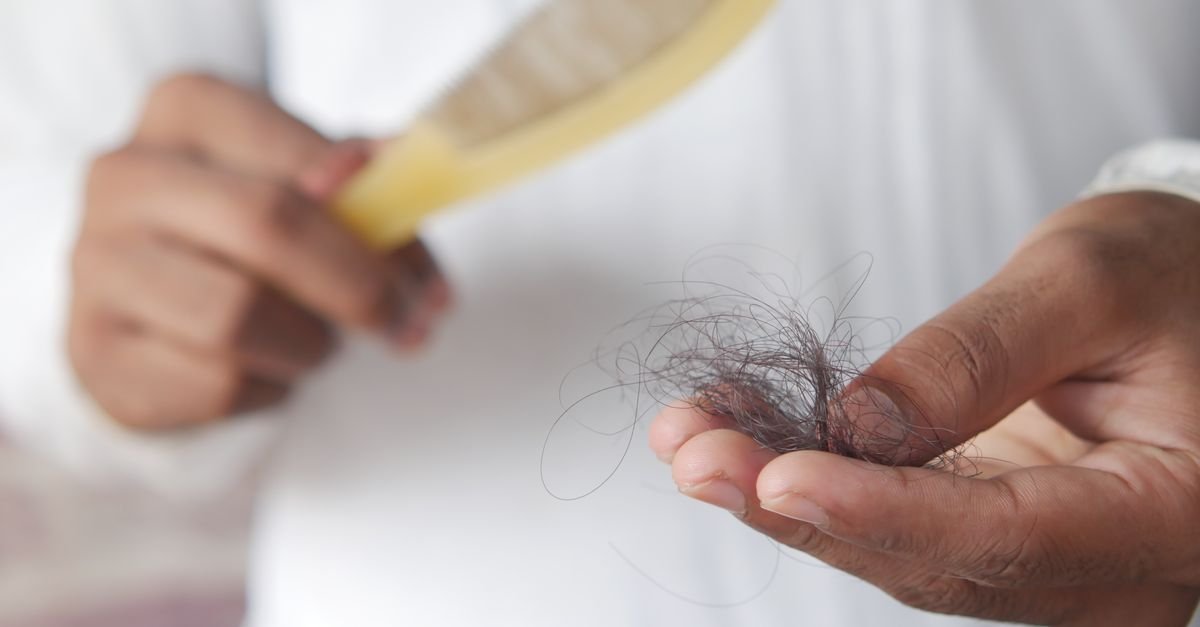
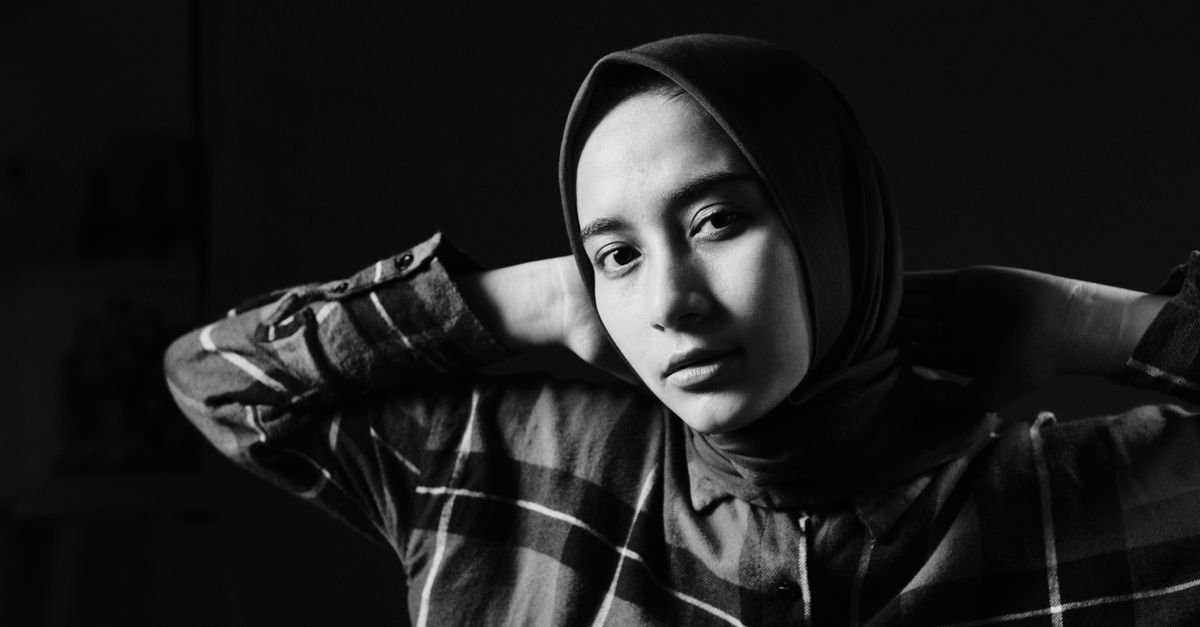
Unwrap a hijab at the end of a long day and the first thing many women notice is not the hairstyle underneath but the state of the hairline: a few strands caught in the fabric, a scalp that feels tight, hair at the temples thinner than it used to be. None of this is inevitable. It is simply what happens when hair spends most of its waking hours covered, warm, and under light tension, and it responds well to a routine built around those three facts.
Why Covered Hair Behaves Differently
Hair under a hijab sits in a warmer, more humid microclimate than exposed hair, especially in summer or under synthetic fabric. That warmth is not harmful on its own, but it changes two things: sebum spreads faster along the scalp, and hair that goes out slightly damp stays damp for hours, which can encourage an itchy or flaky scalp over time. The fix is rarely more product. It is drying hair fully before wrapping, and choosing breathable fabric against the scalp, cotton or silk rather than tightly woven synthetics, whenever the setting allows it.
Washing Without Overdoing It
Because the scalp is covered most of the day, oil buildup is often more noticeable, which tempts many women into washing daily. In practice, two to three washes a week with a mild, sulfate-light shampoo focused on the scalp rather than the lengths keeps the balance better than daily washing, which strips natural oils and can push the scalp to overproduce them in response. Between washes, a small amount of argan oil worked only through the ends, never the roots, keeps hair soft without adding weight near the scalp. On the days in between, a quick rinse with water alone, without shampoo, is often enough to freshen the scalp before the hijab goes back on.
Protecting the Hairline and the Part
Breakage along the hairline and at the part is the most common complaint, and it is almost always mechanical rather than a health issue: the same few centimeters of hair get pulled, pinned, and rubbed against fabric in the same direction every day. Loosening the first wrap so it does not pull directly on the hairline, alternating the position of the part every so often, and avoiding tight under-caps that leave a visible dent are simple changes that let that stressed section recover. Pins should sit against the fabric, not woven through the same strands each morning, since that single habit alone accounts for a large share of visible thinning at the temples.
A Routine That Respects the Hours Ahead
The order of the morning matters more than the products in it. Hair should be completely dry, not just surface-dry, before any wrap goes on, since trapping moisture against warm fabric for eight or ten hours is what leads to a dull, sometimes tired-looking scalp by evening. A light leave-in oil worked through the ends, hair gathered loosely rather than in a tight bun that tugs at the crown, gives hair enough protection for the day without needing retouching before evening.
What Helps Most Over Time
A short list of habits, applied consistently, changes more than any single product:
- Satin or silk lining: reduces friction against the hairline compared with cotton or synthetic fabric worn directly on the scalp.
- Loose first layer: an underscarf or cap that is not stretched tight avoids constant pull on the same strands.
- Scalp-only oiling the night before: massaging a small amount of argan oil into a dry scalp before bed, then washing it out in the morning, supports the scalp without leaving hair greasy under the hijab.
- Rotating hairstyles: changing where a bun or ponytail sits from day to day prevents constant tension on one point.
- Trimming every few months: ends that are already splitting break faster under friction, so a regular trim reduces visible thinning at the front.
When to See a Specialist
Gradual thinning along the whole hairline that does not improve after a few months of gentler handling, or a scalp that stays persistently itchy, flaky, or sore, is worth discussing with a dermatologist rather than managing with more products. Hijab-related hair changes are common and usually mechanical, but a doctor can rule out other causes and suggest what actually fits the situation.
Small, consistent habits do more for hair under a hijab than any single product ever will. Assil Ouargane manufactures natural Moroccan hair and body care, including argan oil formulated for daily use, for brands that want to offer real solutions to their customers; founders and retailers are welcome to reach out through the website for a private-label quote.