A jar of cloudy white water sitting on a bathroom shelf looks like an odd thing to pour over your hair, yet rice water has outlasted almost every hair trend of the last decade because the routine behind it is genuinely old, not manufactured for social media. Understanding what it actually does, and what it does not, is the difference between a treatment that helps and one that quietly damages hair over months.
Where the Practice Comes From
Rinsing hair with the starchy water left over from washing or soaking rice is documented in rural communities across parts of Asia, where women have reported unusually long, resilient hair after decades of the habit. The practice survived because it costs nothing beyond the rice already in the kitchen, not because of a marketing claim. That history matters, but it is not proof that the method works the same way for every hair type, and it says nothing about how much is too much.
What Is Actually Happening on the Hair
Rice water contains starch, some B vitamins, and small amounts of amino acids that leach out during soaking or fermentation. On the hair shaft, the starch coats the surface of each strand, temporarily smoothing the cuticle so hair feels thicker and reflects more light, which is why people describe it as shinier immediately after use. This is a surface effect, similar to what many conditioners do, rather than a change in how hair grows from the follicle. Nothing in rice water reaches the scalp deeply enough to influence growth rate, so claims about faster growth go further than the evidence supports.
Plain, Fermented, or Boiled: The Real Differences
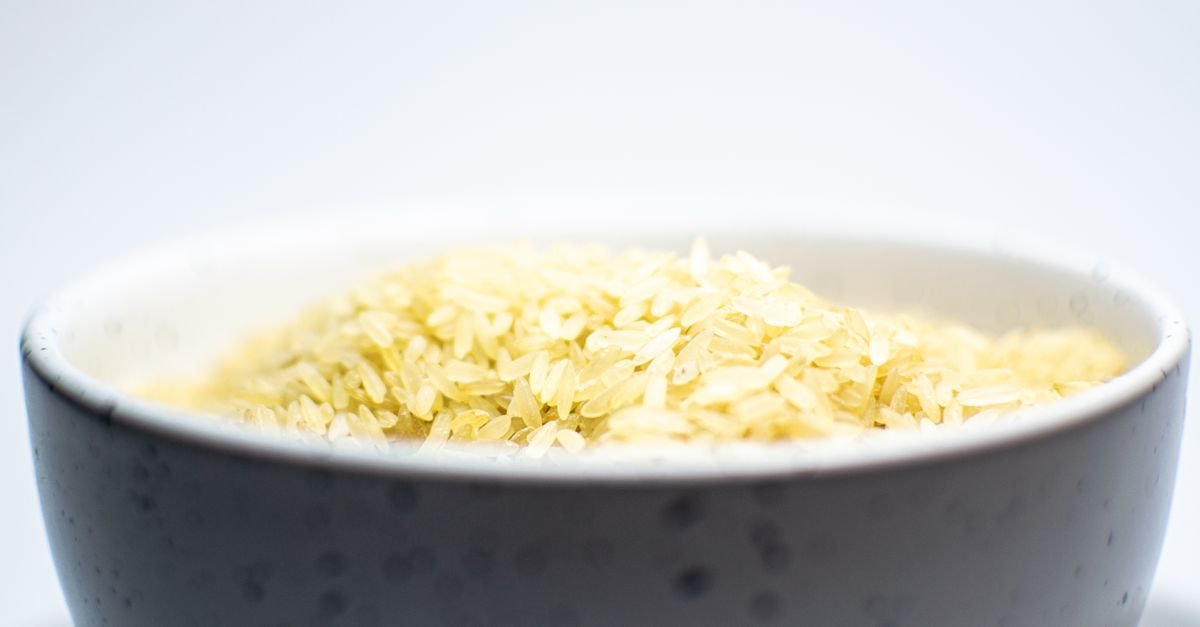
Plain rice water, made by soaking rice in water for twenty to thirty minutes and straining it, is the gentlest version and a reasonable starting point for most people. Fermented rice water, left at room temperature for one to two days until it turns slightly sour, has a lower pH and more concentrated nutrients, which intensifies both the shine and the risk of protein overload if used too often. Boiled rice water, made from the starchy liquid left after cooking rice, sits in between: stronger than the plain version, milder than the fermented one. Beginners do better starting with plain or boiled rice water before experimenting with fermentation.
The Protein Overload Problem
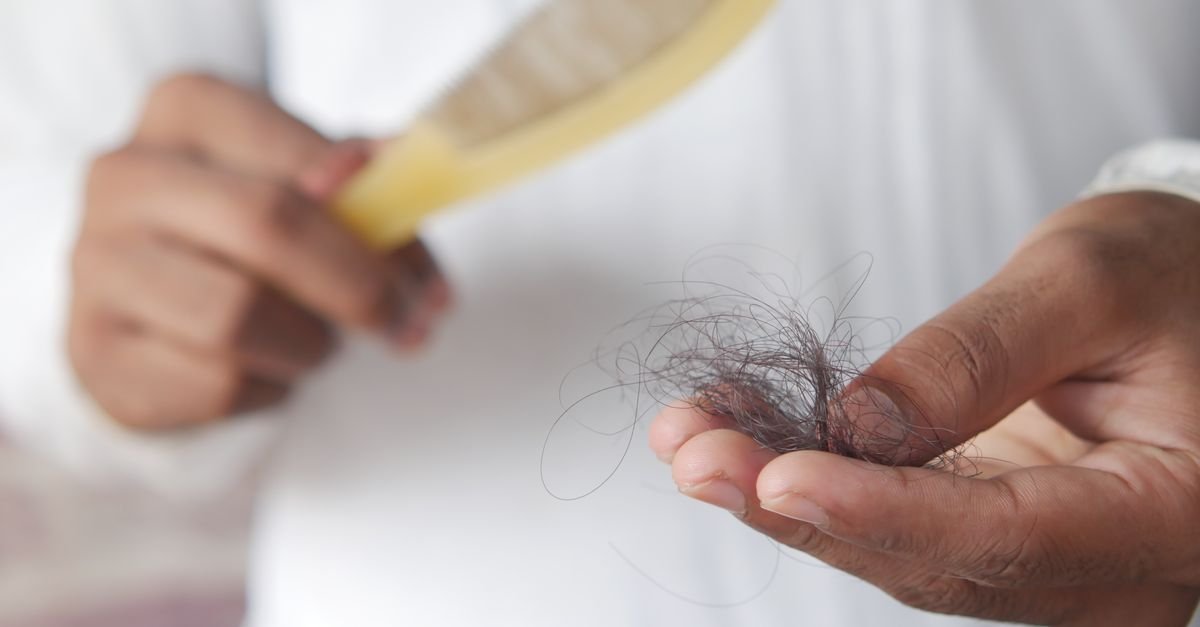
This is the part most articles about rice water skip. Hair is made largely of protein, and rice water is a mild protein treatment. Used once or twice a week it can leave hair feeling fuller and stronger, but used too often, especially on fine or already low-porosity hair, it builds up on the strand and makes hair feel stiff, brittle, and prone to snapping rather than stretching. The signal to stop is straw-like texture or new breakage a week or two after starting the habit, not after months.
How to Use It Without Overdoing It
A workable routine keeps rice water occasional and pairs it with real moisture rather than relying on it alone.
- Frequency: once a week for most hair types, once every two weeks for fine or dry hair that reacts quickly to protein.
- Application: pour over freshly washed hair, focus on the lengths rather than the scalp, leave for ten to twenty minutes.
- Follow-up: rinse thoroughly with plain water, then apply a lightweight oil such as argan oil to the ends while hair is still damp to restore moisture the starch alone cannot provide.
- Storage: use fermented rice water within two to three days and keep it refrigerated, since it spoils at room temperature.
Who Should Be Cautious
People with naturally dry, low-porosity, or chemically treated hair often see less benefit and more stiffness from rice water, since their hair already struggles to absorb moisture past a protein layer. Anyone who notices increased breakage after two or three applications should stop and return to a simple moisture-and-oil routine for a few weeks before deciding whether to try again at a lower frequency.
Rice water is a genuinely useful, low-cost tool when it is used sparingly and balanced with moisture, not a replacement for a full hair care routine. Assil Ouargane manufactures natural Moroccan hair care, including argan oil that works well alongside a rice water rinse, for brands building their own range; a private-label quote is one message away through the website.