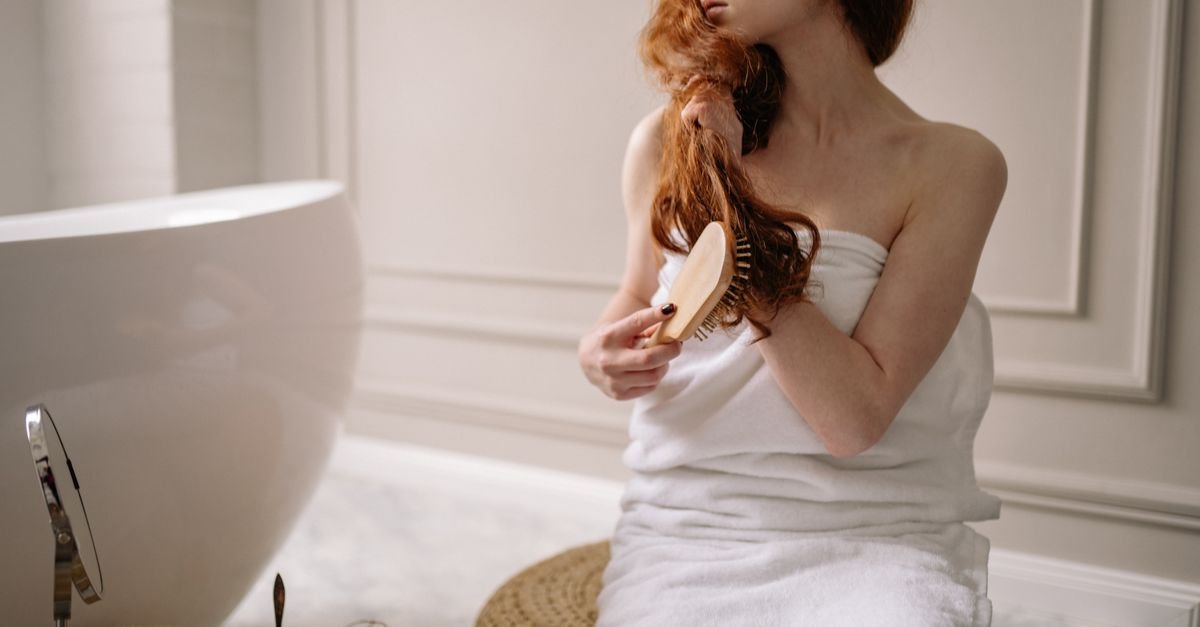
Skipping the blow dryer sounds like the simple, healthy choice, and for the heat itself it usually is. But hair left to dry on its own, wrapped in a towel or twisted into a bun straight out of the shower, often comes out frizzier, flatter, or wavier in the wrong places than the same hair styled with heat. Air drying is not the absence of a routine. Done well, it is its own routine, with its own timing and its own mistakes.
Why Air-Dried Hair Often Looks Worse, Not Better
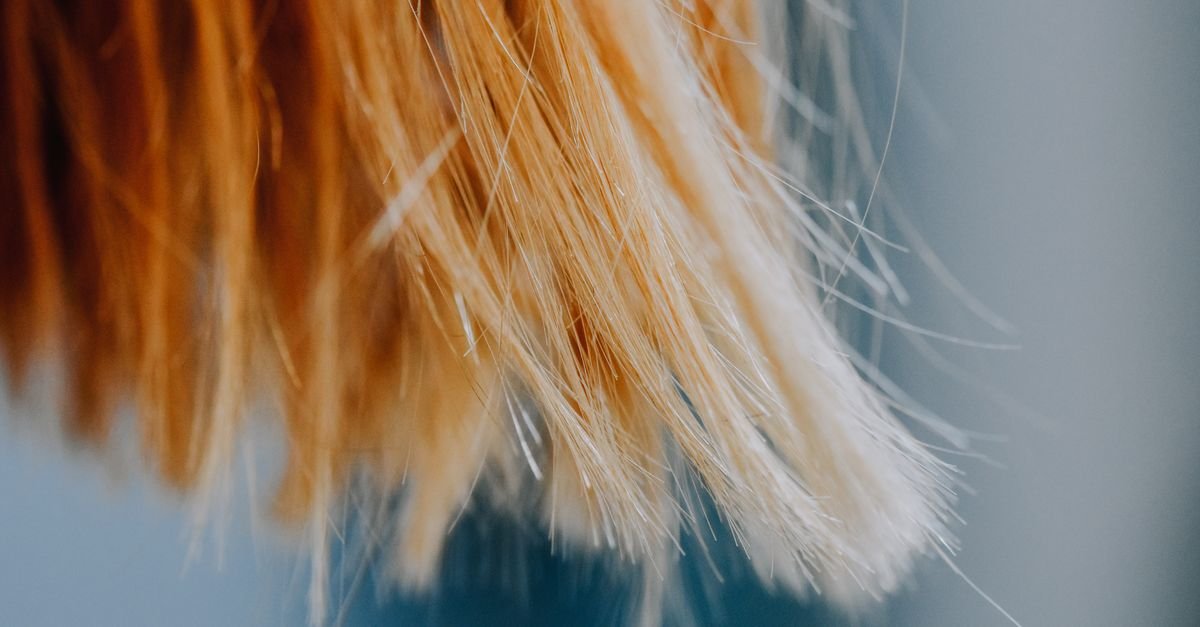
Wet hair is at its most fragile and most shapeable at the same time, and what happens in the first ten minutes after a shower decides most of the outcome hours later. A rough towel rub roughs up the cuticle and creates frizz that no amount of product fixes afterward. Hair left to dry while pressed against a pillow, a hood, or a bunched-up towel dries in whatever shape that fabric holds it, which is where flat patches and odd waves come from. None of this means air drying does not work. It means the first few minutes matter more than anything applied later.
Getting the Water Out Without Roughing Up the Cuticle
A microfiber towel or an old cotton t-shirt absorbs water far more gently than a regular bath towel, whose looped fibers catch and lift the cuticle with every rub. Pressing and squeezing sections of hair against the fabric, working from ends toward roots, removes excess water without the friction that causes frizz. Hair should go from dripping wet to damp this way before any product touches it, since product applied to fully soaked hair gets diluted and does very little.
Product While Hair Is Still Damp
Whatever is going to be applied, a leave-in conditioner, a light styling cream, or a few drops of argan oil, works best on damp hair rather than dry or soaking hair. Applying it too late, once hair has already started drying unevenly, only smooths what is on the surface without shaping how the strand dries. Working a small amount through the mid-lengths and ends, avoiding the roots on fine hair, sets the shape before evaporation locks it in place.
The Waiting Period That Decides the Shape
The middle stretch, while hair is drying but not yet dry, is where most air-drying routines go wrong. Touching, restyling, or scrunching hair repeatedly during this phase breaks up whatever pattern is forming and is one of the most common causes of frizz blamed on air drying itself. Leaving hair alone, or gently scrunching once and then not touching it again until it is fully dry, gives whatever natural texture or smoothing product was applied time to actually set.
A Simple Air-Drying Sequence
- Squeeze out water: press, do not rub, using a microfiber towel or cotton t-shirt to protect the cuticle.
- Apply product on damp hair: work a leave-in or oil through mid-lengths and ends while hair is still damp, not dripping or dry.
- Detangle before styling: use a wide-tooth comb once, before hair starts setting, never after it is fully dry.
- Leave hair alone while it dries: resist checking, scrunching, or restyling during the middle stretch, since that is what breaks the pattern.
- Finish on dry ends: once hair is fully air-dried, a small amount of oil on the ends smooths flyaways without disturbing the shape.
When Heat Still Makes Sense
Air drying is not always the better choice for every hair type or every schedule; very thick or very curly hair can take hours to dry fully, and hair left damp for too long, especially overnight, can encourage a stale scalp. A brief, low-heat finish on partially air-dried hair is a reasonable middle ground rather than an all-or-nothing choice.
The difference between hair that air-dries beautifully and hair that frizzes every time usually comes down to the towel and the first ten minutes, not the absence of heat. Assil Ouargane manufactures natural Moroccan hair care, including argan oil suited to damp-hair styling, for brands building routines around gentler drying; a private-label quote is available through the website.