
Four workouts a week and hair that looks worse every month is a common complaint at the gym, and it rarely comes from the exercise itself. It comes from what happens before, during, and right after the sweat: the tight ponytail pulling at the same point, the scalp left damp under a cap for an hour, the wash that either happens too often or not often enough. None of it requires giving up training. It requires a routine built around sweat rather than one borrowed from someone who showers once a day and calls it done.
Sweat Is Not the Enemy, Buildup Is
Sweat itself is mostly water and salt, and rinsing it out does not damage hair. The problem is what collects on top of it: salt residue drying on the scalp, product from the last wash mixing with oil, and dust from the gym floor or outdoor air. Left on the scalp for a day or two between workouts, that mix can clog follicles and irritate the skin, which shows up as itching or small bumps at the hairline rather than as hair damage in the strict sense. Rinsing hair with water after a sweaty session, even without a full shampoo, keeps that buildup from settling in.
How Often to Actually Wash
Daily shampoo is not necessary for most hair types, even with daily exercise, and it strips the scalp's natural oils faster than the body can replace them. A practical middle ground for regular gym-goers is a full shampoo three to four times a week, timed to the sweatiest sessions, with a water-only rinse on the other training days. Dry shampoo can bridge one extra day at the roots, but it is not a substitute for actual washing and should not be layered day after day, since it builds up on its own.
Protecting Hair Before the Workout
The ponytail or bun that feels secure during a heavy set is often the same one pulling steadily on the hairline for an hour. A slightly looser tie, a soft fabric hair band instead of a thin elastic, and changing the position of the tie between sessions spreads the tension around instead of concentrating it in one spot. For anyone training outdoors, a light oil worked through the ends before heading out adds a small buffer against sun and wind without weighing hair down during the workout itself.
The Cap and Helmet Problem
Headwear traps heat and moisture against the scalp for the length of the session, which is comfortable for sweat management but not for scalp health if it happens every day without a break. Rotating cap materials, letting the scalp air out fully after removing it, and washing sweatbands or helmet padding regularly reduce the bacterial and fungal buildup that a warm, damp environment encourages.
A Practical Post-Workout Routine
A short sequence right after training does more than any product added later.
- Rinse promptly: a water rinse within an hour of finishing keeps salt and sweat from drying into the scalp.
- Detangle before drying: working out knots while hair is damp, not soaking wet, causes far less breakage than brushing it dry.
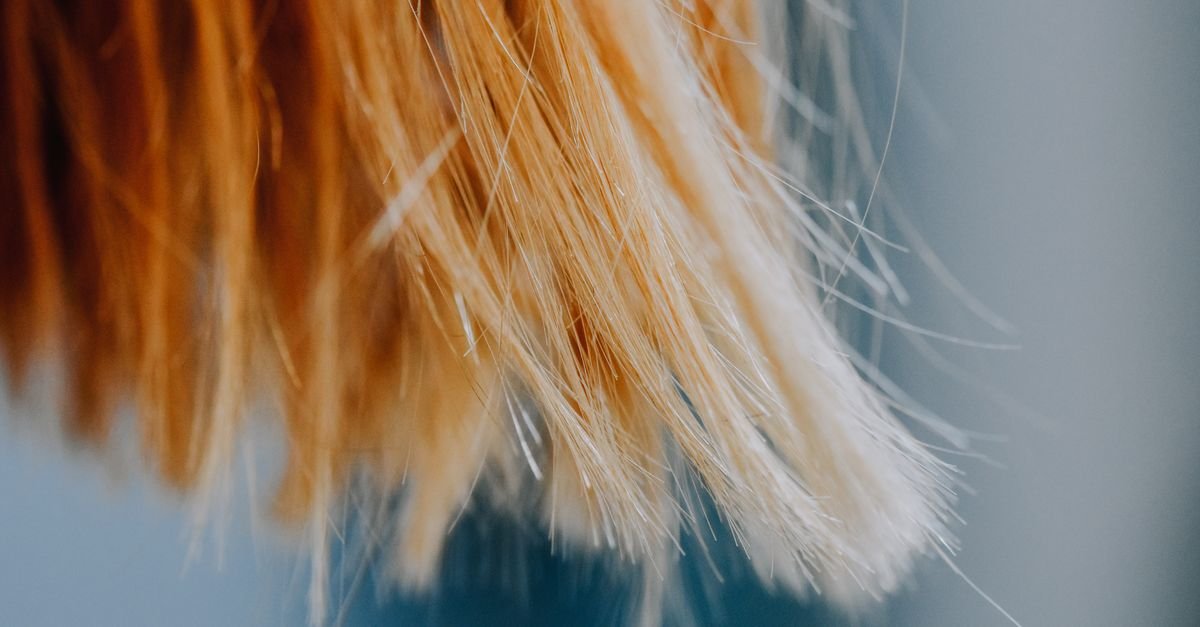
- Light oil on damp ends: a small amount of argan oil on towel-dried lengths seals in moisture without weighing hair down before it fully dries.
- Full wash on heavy days: a proper shampoo after intense or long sessions clears what a rinse alone cannot.
What to Skip
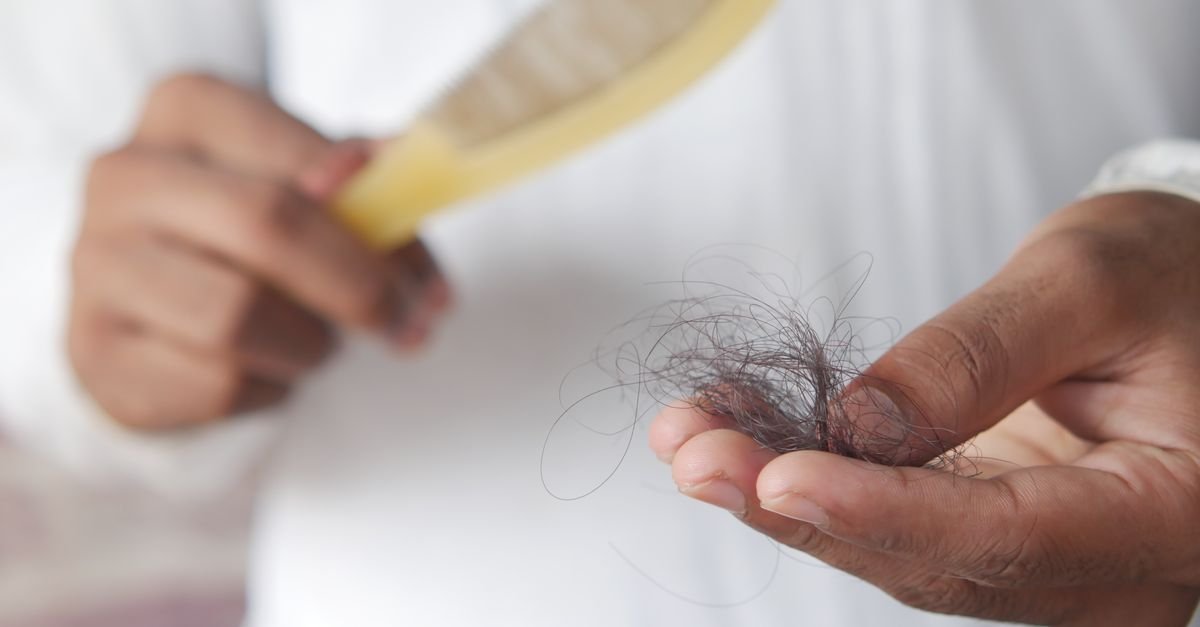
Tight braids or buns worn to every single session, brushing hair while it is fully soaked, and reusing the same unwashed cap for weeks are the three habits most responsible for gym-related thinning and breakage, more than the sweat itself.
Training hard and keeping healthy hair are not in conflict once the routine matches the sweat instead of ignoring it. Assil Ouargane manufactures natural Moroccan hair care, including argan oil suited to active daily use, for brands serving customers who move; a private-label quote is available through the website.