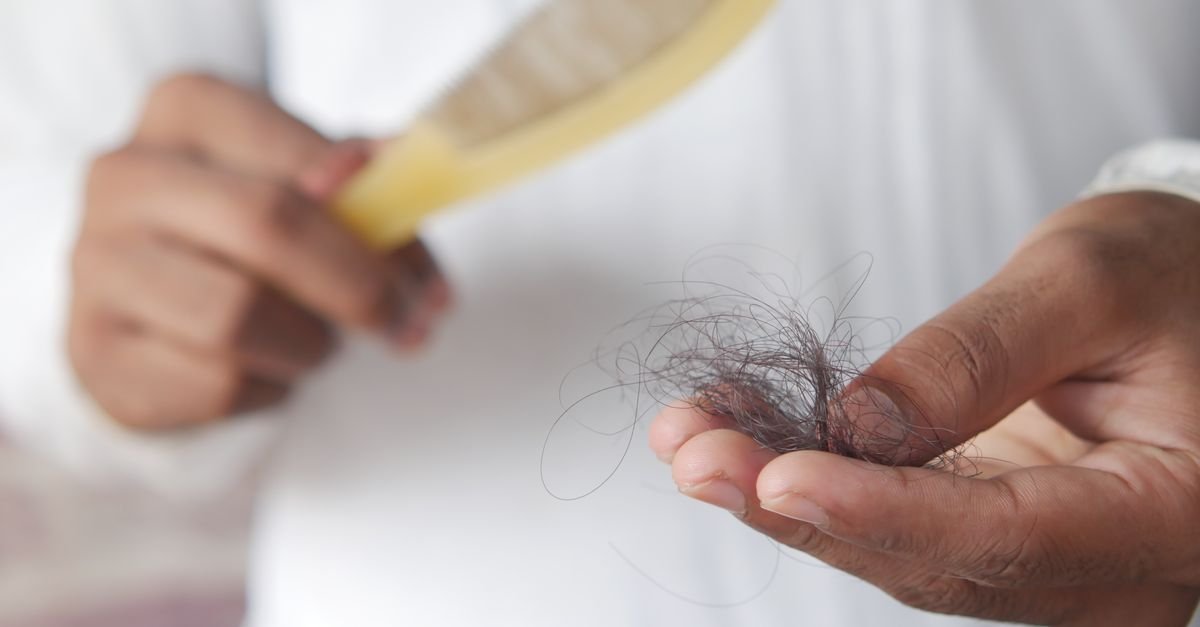
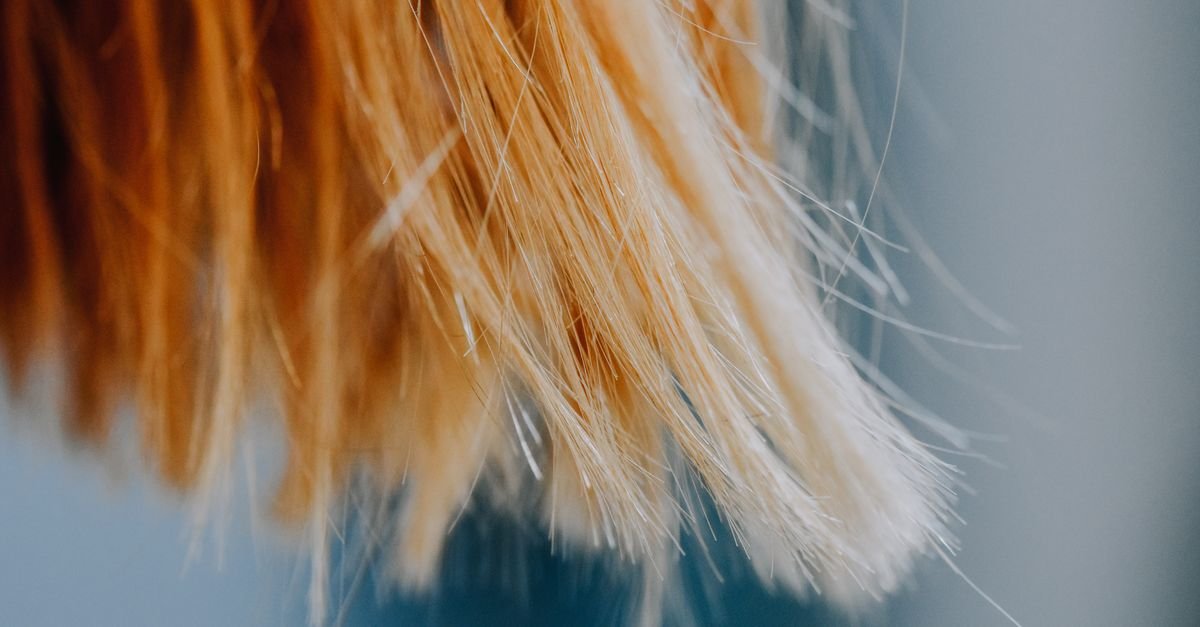
Run a wide-tooth comb through wet hair and you can often hear the damage before you see it: a faint crackling sound, then a few strands left behind in the teeth. That sound is elasticity failing. Hair that stretches and springs back is healthy. Hair that stretches thin, feels gummy, and snaps without much resistance has lost the elasticity that keeps it intact through brushing, tying, and ordinary weather.
What Elasticity Actually Means
Elasticity is the hair's ability to stretch under tension and return to its original length without breaking. It comes from the internal structure of the strand, mainly the cortex, where protein chains are bonded together. When those bonds are intact, hair flexes with movement. When they are weakened, by heat, chemical treatments, sun exposure, or simply years of mechanical stress, the strand stretches too far or not at all, and it breaks instead of bouncing back.
Elasticity is not the same as strength, and it is not the same as moisture, though both affect it. A strand can be well moisturized and still have poor elasticity if the protein structure is compromised. This is why conditioner alone often does not solve breakage.
A Test You Can Do at Home in Two Minutes
Take a single strand of clean, wet hair between two fingers, about two centimeters apart, and gently stretch it. Healthy hair with good elasticity will stretch around 30 to 50 percent of its length and return close to its starting point when released. Hair with low elasticity either barely stretches before snapping or stretches a long way and stays stretched, feeling limp and cotton-like afterward. Repeat the test on a few strands from different areas of the head, since damage from styling tools or ties is often uneven.
Low Elasticity and High Porosity Are Not the Same Problem
These two issues get confused because they show up together, but they call for different responses.
- Low elasticity: the internal protein structure is weak or damaged, and the strand breaks under tension. This needs protein-supporting care and gentler handling, not just more oil.
- High porosity: the outer cuticle is raised or damaged, so hair absorbs and loses moisture quickly. This needs sealing and moisture balance.
- Both together: common after repeated heat styling or coloring, and the routine has to address protein and moisture at the same time rather than favoring one.
Rebuilding Elasticity with Oil and a Steadier Routine
Pure argan oil does not rebuild protein bonds, and no oil does. What it can do is coat the strand, reduce friction between hairs, and slow moisture loss during the day, which lowers the mechanical stress that causes breakage in the first place. Many people find that working a small amount of argan oil through the mid-lengths and ends of towel-dried hair, then letting it air-dry, leaves hair noticeably less prone to snapping under a comb within a few weeks. The change is not chemical, it is protective: less friction, fewer split ends catching on themselves.
Pairing oil with a lower-heat routine matters more than the oil itself. Reducing flat-iron and blow-dryer use to two or three times a week, using a wide-tooth comb only on wet, conditioned hair, and switching to silk or satin ties instead of tight elastic bands all reduce the tension that elasticity has to withstand.
What Does Not Help
Layering on more oil when hair is already breaking will not fix a protein deficit, and it can leave hair looking greasy without addressing the actual cause. Hot oil treatments applied too often can also over-soften the cuticle in some hair types, making strands feel weaker rather than stronger. If breakage is sudden, widespread, or comes with visible thinning at the scalp rather than snapping mid-strand, that points toward a different issue, possibly hormonal, nutritional, or medical, and is worth raising with a dermatologist rather than solving with hair oil alone.
Elasticity is one of the clearest signals your hair sends about how it is actually coping, and the stretch test takes less time than reading this paragraph. Assil Ouargane presses and bottles natural Moroccan argan oil and hair care formulas for brands that want a routine-based product their customers can trust, and manufactures under private label for founders and retailers who want to build on that. Reach out through the website for a quote.