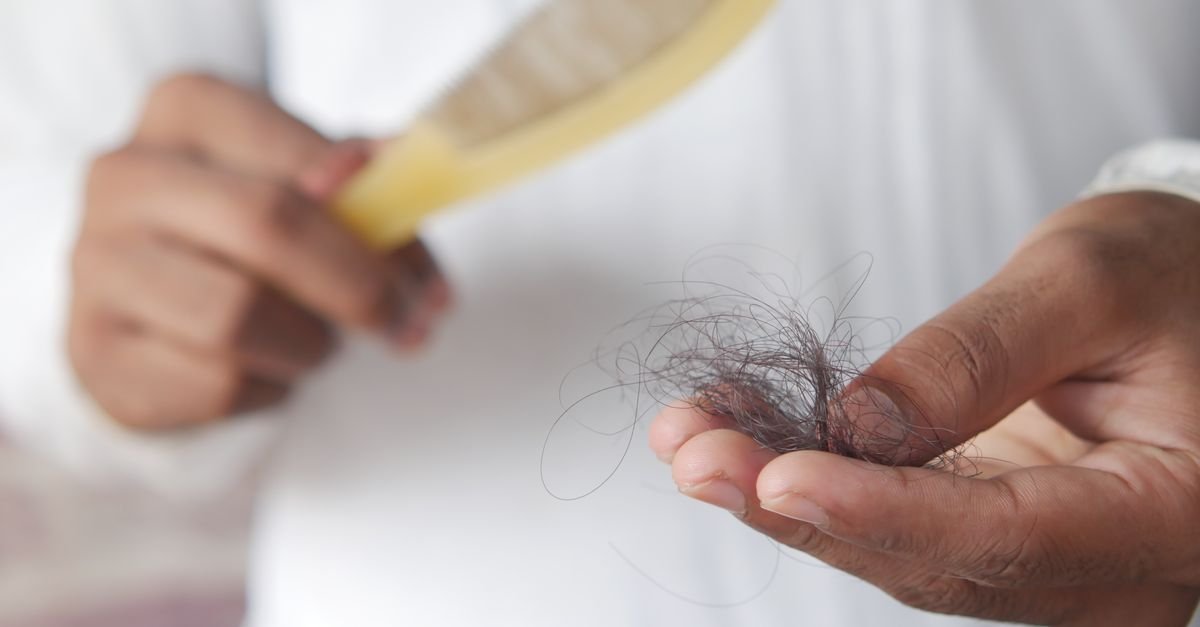
A man in his early thirties notices more hair on the pillow than usual, then a hairline that seems slightly further back in photos than it looked in the mirror a year ago. This is one of the most common reasons men start researching hair care seriously, and one of the areas most crowded with exaggerated claims. It is worth being precise about what is actually happening and what natural care can honestly do about it.
Not All Thinning Has the Same Cause
Male pattern hair loss, driven largely by genetics and hormones, follows a fairly recognizable pattern: recession at the temples, thinning at the crown, or both, usually gradual over years. This is the most common cause of thinning in adult men, but it is not the only one. Stress, poor sleep, low iron or vitamin D, thyroid issues, harsh styling habits, and some medications can all cause thinning that looks similar on the surface but responds to completely different solutions. Telling these apart usually needs a proper look at the scalp and, sometimes, a blood test, not guesswork with a mirror. Most men have a rough sense of which category fits their own case by their late twenties, but that instinct is worth checking against an actual exam rather than months of comparing old photos.
What Natural Oils Can Realistically Do
Argan oil and similar natural oils cannot change hormone levels, block the processes involved in genetic hair loss, or grow hair in follicles that have permanently stopped producing it. What they can do is support the health of hair that is still growing: reducing dryness and breakage along the strand, calming an irritated or flaky scalp, and making existing hair look and feel fuller because fewer strands are snapping. For a lot of men, especially those whose thinning is partly due to a dry, tight, or irritated scalp rather than genetics alone, this makes a visible difference even though it is not changing the underlying hair-loss process.
A Realistic Scalp Routine
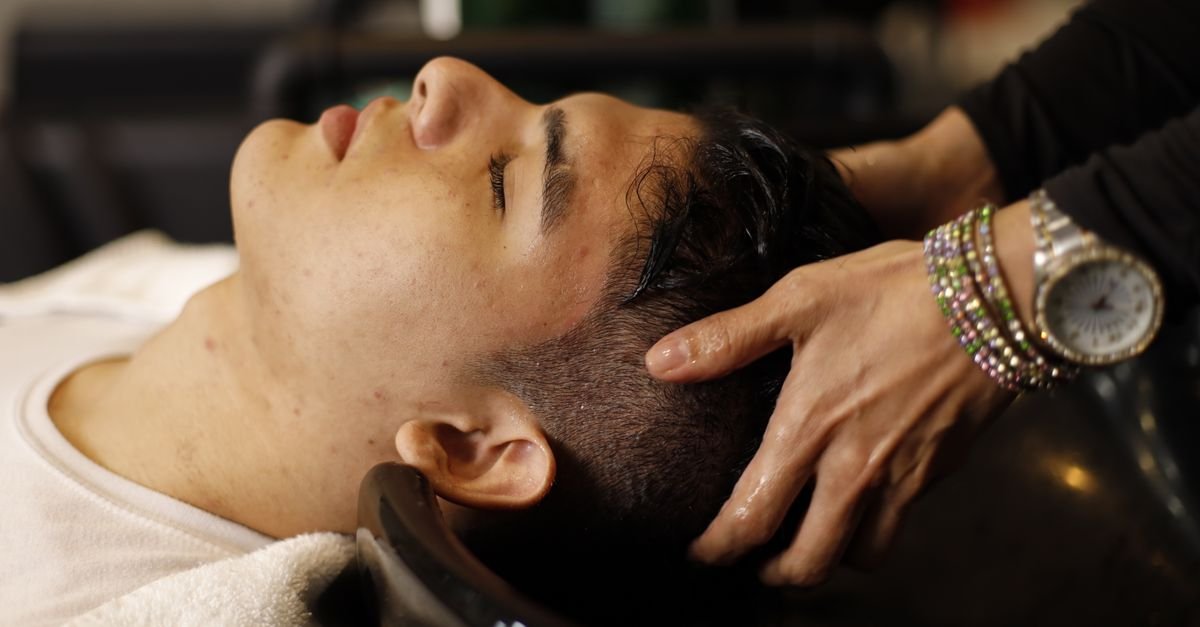
- Scalp massage with oil, two to three times a week: a few minutes of gentle circular massage with argan oil can ease tightness and flaking and feels genuinely relaxing, though there is no reliable evidence it changes hair growth rate on its own.
- Gentle, less frequent heat and tight-hat use: reducing constant friction and heat at the hairline reduces one avoidable source of breakage at an already vulnerable area.
- A basic, consistent wash routine: a mild shampoo two to three times a week keeps the scalp clean without stripping it, which matters more for comfort and flaking than for hair count.
- Patience measured in months, not weeks: hair grows slowly, and any honest change from a routine, natural or otherwise, takes at least three to four months to become visible.
What to Stop Expecting from Marketing Claims
No oil, natural or otherwise, will regrow a hairline that has fully receded, and any product claiming to reverse genetic hair loss on its own is overstating what is possible. This is not a reason to avoid natural oils, it is a reason to use them for what they are good at, which is scalp comfort and strand quality, rather than as a substitute for an actual diagnosis when thinning is progressing quickly or unevenly.
When to See a Doctor Instead of Trying Another Product
Sudden, patchy, or rapidly progressing hair loss, thinning accompanied by scalp pain, itching, or visible inflammation, or hair loss that started after a major illness, surgery, or medication change are all reasons to see a dermatologist rather than experimenting further at home. A doctor can identify the actual cause and discuss options with real evidence behind them, which a bottle on a shelf, however well made, cannot do.
Thinning hair deserves an honest answer, not a bigger promise. Assil Ouargane manufactures natural Moroccan argan oil and scalp care formulas under private label for brands that want to offer real, well-made support rather than overstated claims, and takes quote requests through the website.