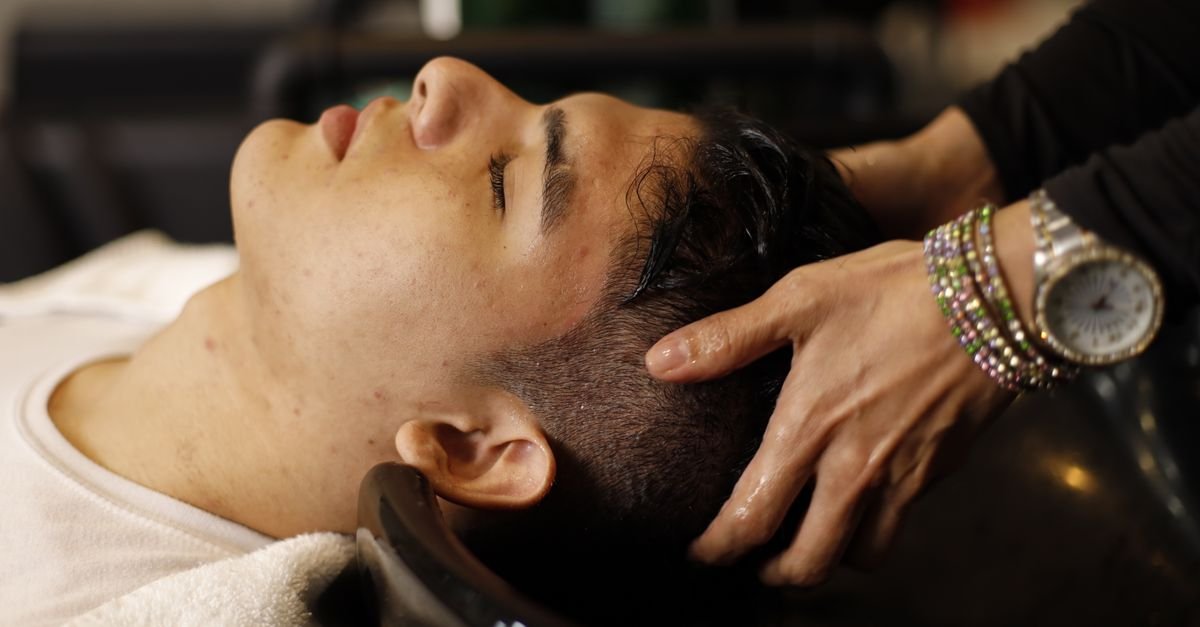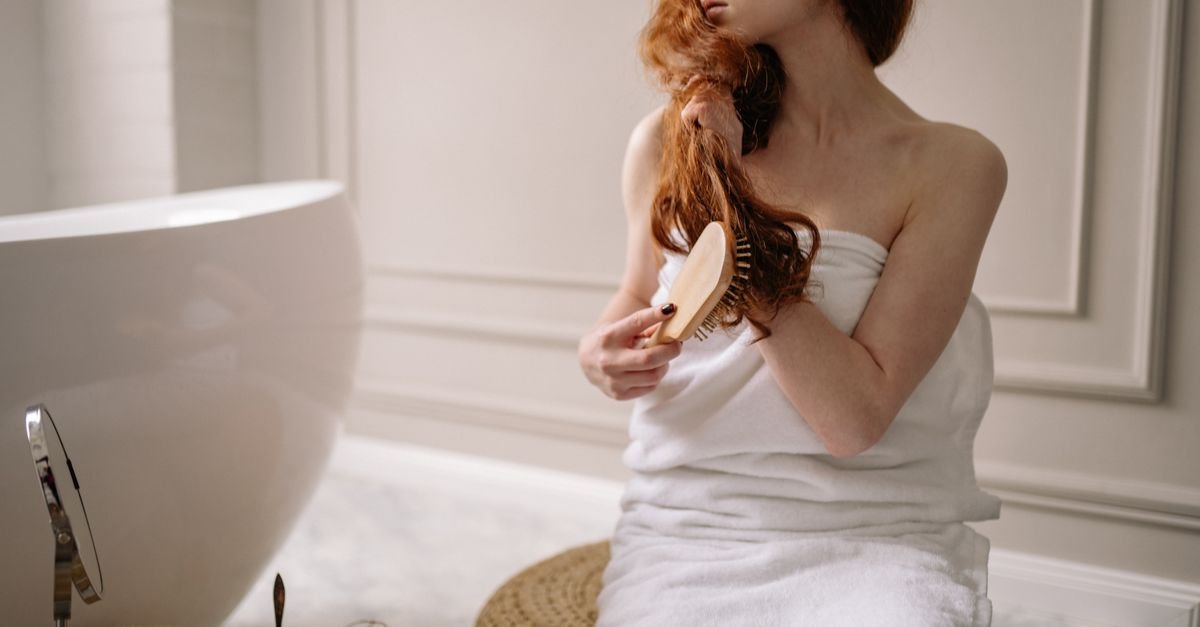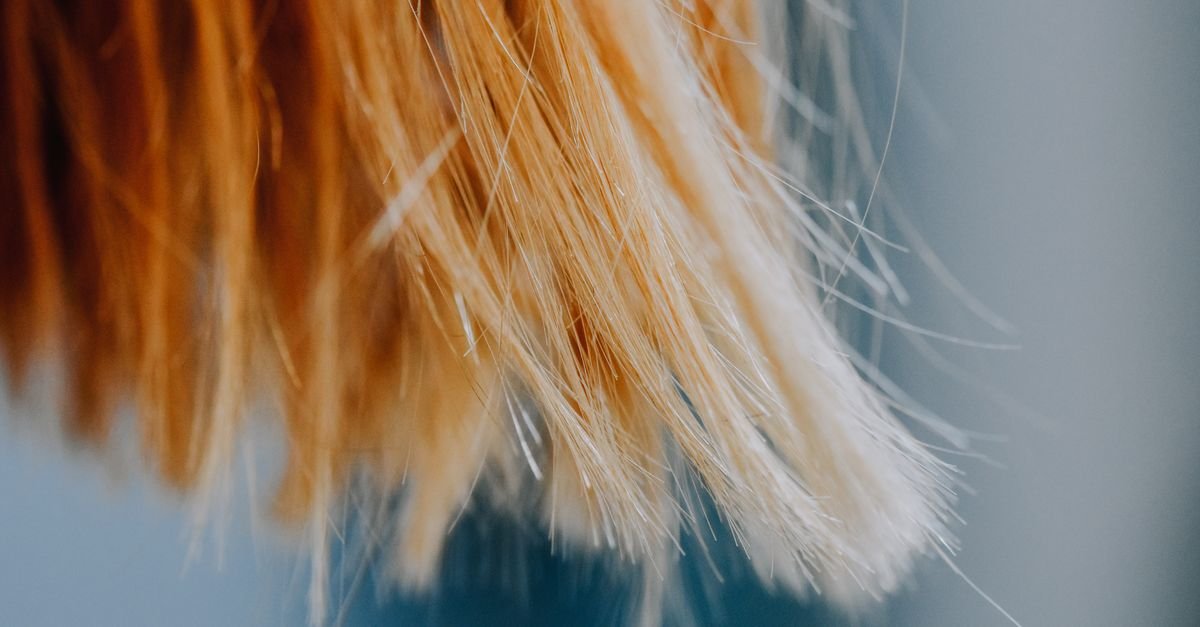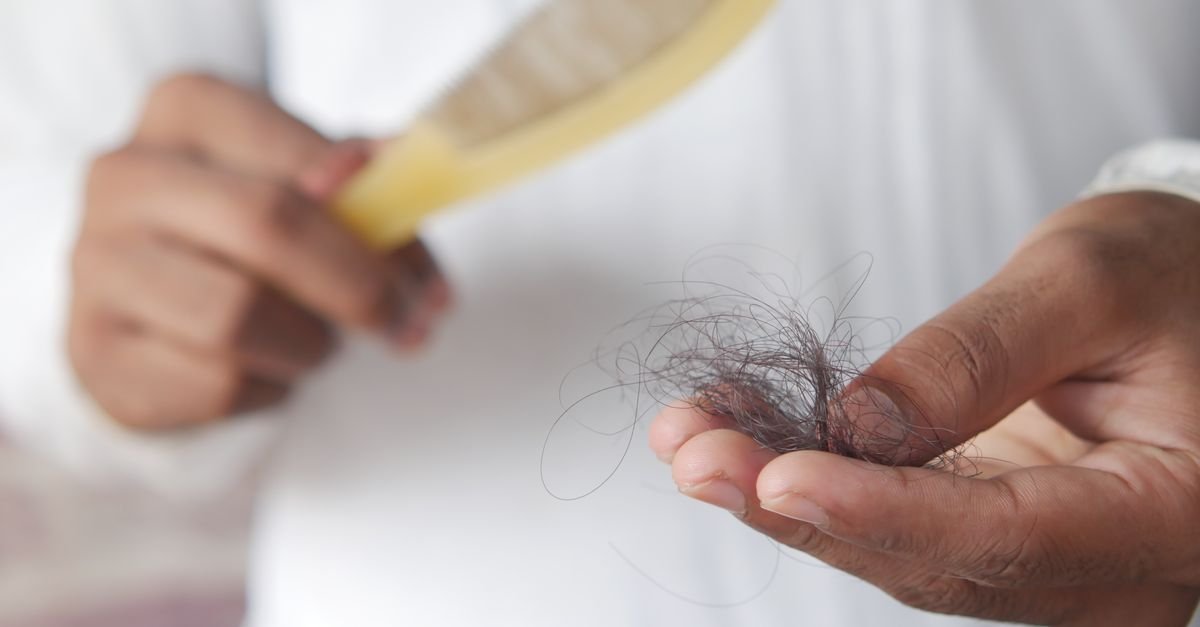
Two fingers run through the same head of hair can tell two different stories: the scalp feels slick by the second day after washing, while the ends feel rough, almost straw-like, and catch on a comb. This combination, oily roots and dry ends, is one of the most common hair complaints and one of the most mismanaged, because most routines are built to fix one or the other, not both on the same head.
Why the Same Head Produces Two Opposite Problems
Hair gets its natural oil, sebum, from glands at the scalp. That oil is meant to travel down the strand, but it rarely makes it all the way to the ends on its own, especially on longer hair, curly or wavy textures, or hair that is brushed infrequently. The result is a scalp with plenty of natural oil and ends that never receive any of it, made drier still by months or years of heat styling, sun, and the simple fact that the ends are the oldest, most weathered part of the hair. Washing hard to control the oily scalp often strips the ends further, which makes the imbalance worse rather than better.
Where Most Routines Go Wrong
Washing every day to manage oily roots strips the scalp's natural oil, which frequently signals the glands to produce even more, and dries out the ends further with each wash. Conditioning heavily from root to tip to fix dry ends coats the scalp in product it does not need, which can trigger the same oily, weighed-down feeling within a day. Both approaches treat the head as one uniform surface when it is really two zones with different needs.
Treating the Two Zones Separately
- Shampoo at the scalp only: concentrate shampoo and massage at the roots, and let the lather rinse through the lengths rather than scrubbing shampoo into already-dry ends.
- Condition from mid-length to ends only: apply conditioner starting a few centimeters below the scalp, never directly at the roots, to avoid re-oiling the area that is already producing enough.
- Oil the ends, not the scalp, between washes: a small amount of argan oil worked into dry or damp ends adds the moisture and protection that sebum never reached naturally.
- Wash every two to three days rather than daily: this gives the scalp a chance to regulate oil production instead of constantly over-stripping it.
Where Argan Oil Fits This Routine
Argan oil absorbs relatively quickly and does not sit as heavily on hair as some other oils, which makes it easier to apply specifically to dry ends without spreading oil back toward the scalp by accident. A small amount rubbed between the palms and then smoothed only over the bottom third of the hair, on damp hair after washing or on dry hair between washes, targets exactly the zone that needs it. Applying it any higher, near the roots, works against the goal by adding oil where the scalp already has plenty.
What to Expect and What Will Not Change
Separating root and end care usually reduces the oily feeling at the scalp within one to two weeks, simply because the scalp is not being stripped and over-triggered by daily washing. Ends typically feel softer within a similar timeframe once they are consistently receiving the oil they were missing. This routine does not change genuinely oily skin type at the scalp, which has a real hormonal and genetic component, and does not repair split ends, which can only be trimmed away, not restored. If scalp oiliness is extreme, sudden, or comes with itching, flaking, or pain, it is worth checking with a dermatologist, since some scalp conditions look like ordinary oiliness but need a different kind of treatment entirely.
Two zones, two routines, one head of hair that finally gets treated the way it actually behaves. Assil Ouargane manufactures natural Moroccan argan oil and hair care formulas under private label for brands building routines their customers can rely on, and welcomes quote requests through the website.