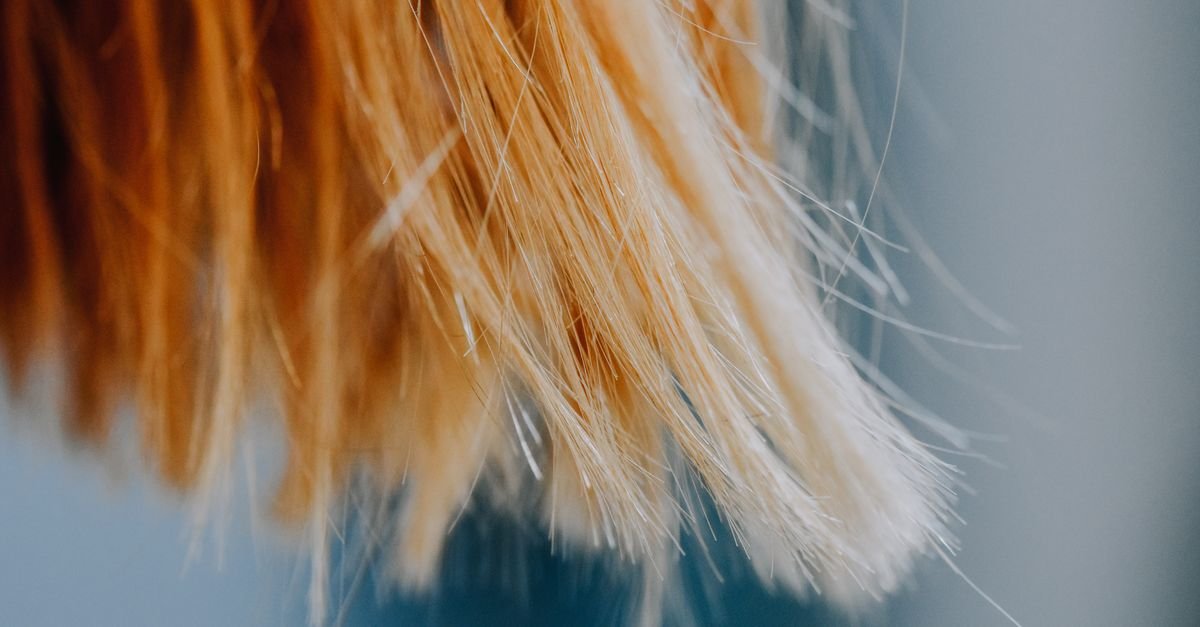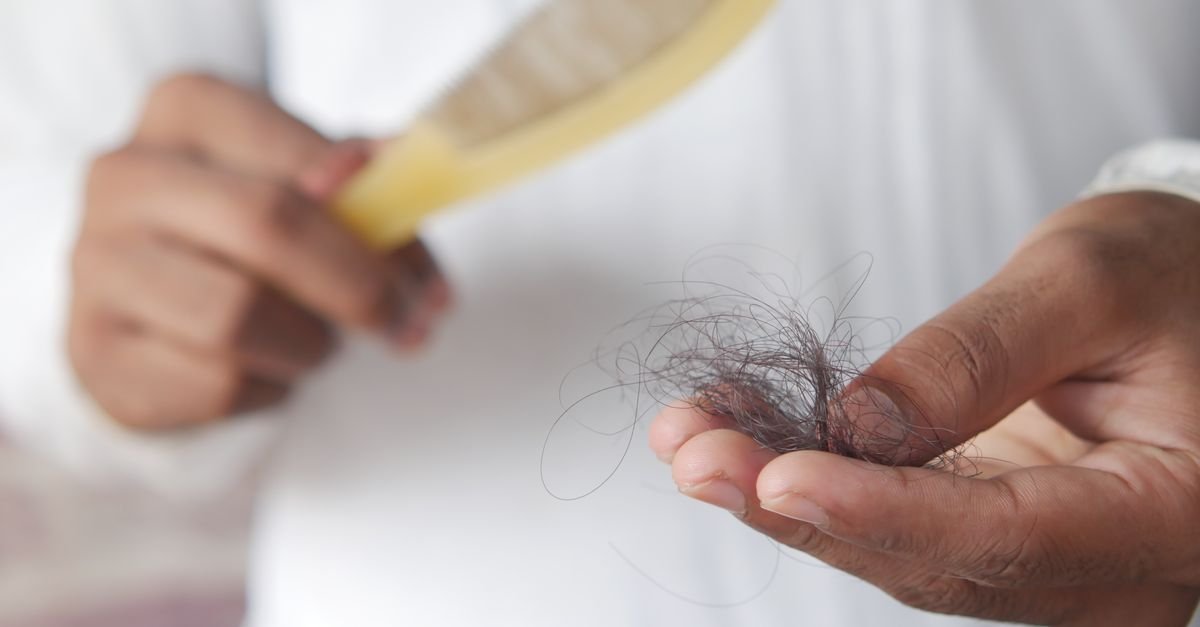
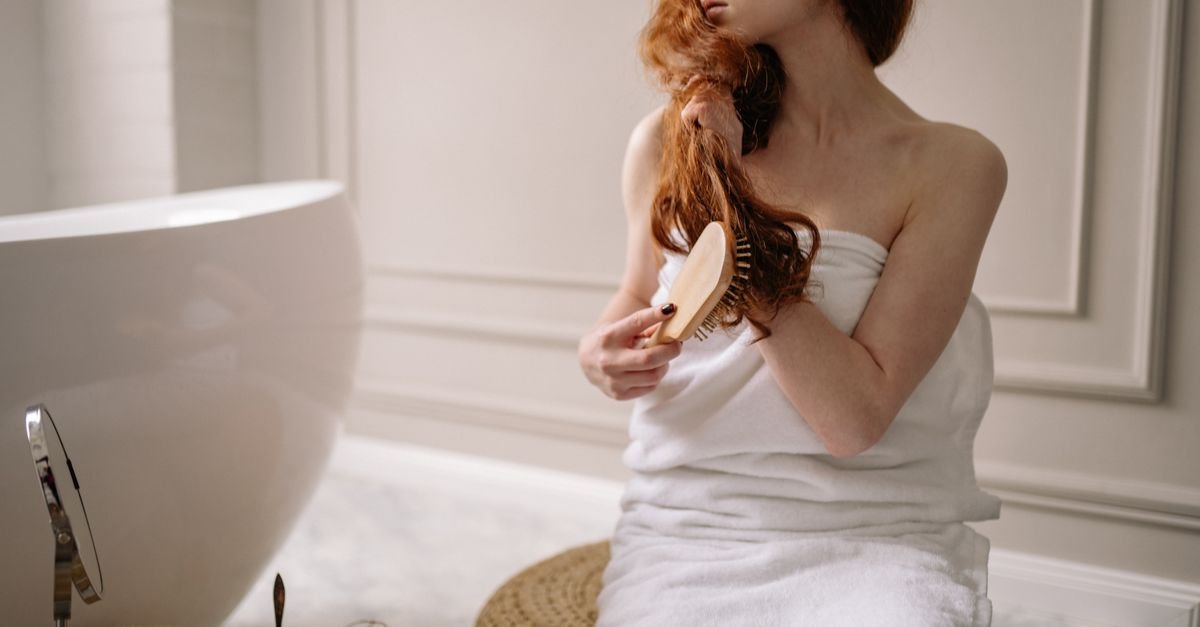
Open a bathroom drawer and you will usually find the real cause of six months of split ends sitting right there: a plastic-bristle brush with a seam down the middle, a fistful of thin elastic bands, and a rough cotton towel used to scrub hair dry every morning. None of these tools look dangerous. All three are common sources of breakage that no conditioner can fully undo.
Brushes: Bristle Material Matters More Than Brand
Plastic bristles, especially on cheap brushes, often have a visible seam or rough edge left from the molding process. Every stroke through wet or dry hair catches on that seam and roughens the cuticle, the hair's outer layer, which is what makes hair look dull and feel rough over time. Boar-bristle and nylon-tipped brushes, or bristles with rounded, polished ends, glide instead of scraping. A wide-tooth wooden or horn comb works better than a brush on wet hair, because wet hair stretches further before snapping and a brush's bristles pull unevenly across tangles.
Ties and Clips: Where Most Snapping Happens
The classic thin rubber band with a metal seam is one of the most damaging objects a person routinely puts in their hair, because the metal clasp cuts into strands at the exact point of tension. Fabric-covered elastics with no metal, or silk and satin scrunchies, spread that tension across a wider surface and grip without cutting. Metal clips and pins with sharp edges cause similar localized breakage if left in for hours, particularly at the point where hair bends around the clip.
Towels: Friction Is the Hidden Damage Source
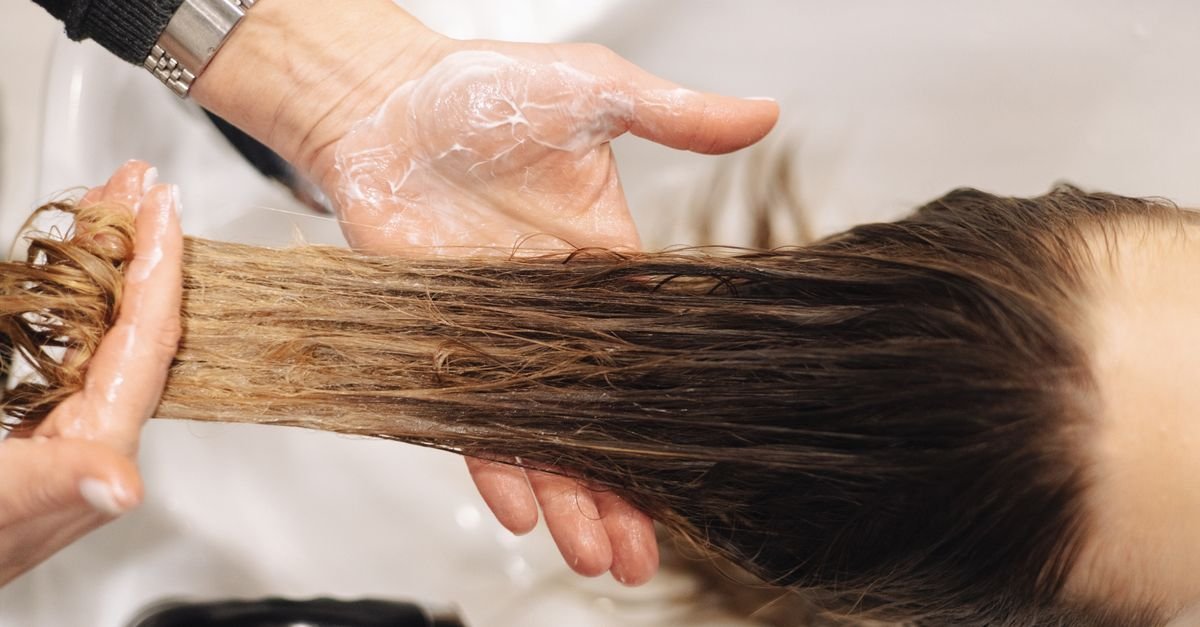
Terry cloth towels feel absorbent because their loops grab onto hair, but that grabbing is friction, and friction on wet hair, when the cuticle is most open and vulnerable, roughens the surface and can cause frizz and breakage over weeks of daily use. A microfiber towel or a plain cotton t-shirt absorbs nearly as much water with far less snagging, because the surface is smoother. Squeezing water out gently, rather than rubbing hair in circles, cuts friction further regardless of which fabric is used.
A Short List of What to Look For
- Brush: boar bristle, nylon ball-tipped, or a wide-tooth comb for wet hair, no visible seams on the teeth.
- Ties: fabric-covered elastics or silk scrunchies, never a bare metal-seamed rubber band.
- Towel: microfiber or a soft cotton t-shirt, used to blot rather than rub.
- Pillowcase: silk or satin reduces overnight friction, which matters more than most people expect over a full year.
Where Oil Fits Into Tool Choice
A light coat of argan oil on the lengths before brushing or tying hair back reduces friction between strands and between hair and any tool, which is part of why it is a common step before braiding or using heat tools. It does not replace choosing better tools, it works alongside them: the oil reduces surface friction, the right brush or tie reduces mechanical stress, and together they address breakage from two different angles rather than one.
What Is Not Worth Chasing
Expensive branding on a brush or towel says nothing about bristle shape or fabric weave, which are what actually matter. A very fine-tooth comb used on dry, tangled hair will cause more breakage than almost any brush, regardless of price, because it forces detangling at full tension. The goal is not owning more tools, it is matching the tool to the state the hair is actually in: wider gaps and softer materials for wet or fragile hair, and reserving fine combs for smooth, already-detangled sections. It is also worth checking heat-tool clips and clamps for the same rough edges found on cheap brushes, since a curling iron or straightener that pinches hair at the same spot on every use wears down that section faster than the heat itself.
Small daily choices, the brush by the sink, the tie on the nightstand, do more to hair over a year than any single treatment. Assil Ouargane manufactures natural Moroccan argan oil and hair care formulas under private label for brands that want products people can build a real routine around, and welcomes quote requests through the website.