Every year around the same weeks, the same question shows up: why is there suddenly so much more hair in the shower drain and on the pillow when nothing else in the routine has changed. The answer, for most people, has nothing to do with a new shampoo or a stressful month. It has to do with the calendar, and specifically with what happened to the hair follicles roughly three months earlier.
The Hair Growth Cycle, Briefly
Every strand of hair grows through phases: an active growth phase lasting years, a short transition phase, and a resting phase of around three months before the strand releases and a new one begins growing in its place. At any given time, roughly ten percent of scalp hair sits in that resting phase, which is entirely normal and invisible day to day. Seasonal shedding happens when more follicles than usual enter that resting phase at the same time, so three months later, a noticeably larger batch of hair sheds together.
Why Autumn Specifically
Several small studies on seasonal hair loss point to summer sun exposure as a trigger: increased UV exposure and heat in the summer months appear to push a larger share of follicles into the resting phase, and since that phase lasts roughly twelve weeks, the resulting shed shows up in early to mid autumn. This pattern has been observed across different populations, though the exact mechanism is still debated, and it is worth noting that some people also notice a smaller second wave in spring. Neither wave means the hair is thinning permanently.
How to Tell Seasonal Shedding From an Actual Problem
The distinguishing feature of seasonal shedding is that it is temporary and diffuse across the whole scalp, typically resolving on its own within six to twelve weeks without any change in routine. It becomes worth investigating further when the increased shedding continues well past three months, when it is concentrated in one area such as the crown or the hairline rather than spread evenly, or when it comes with visible thinning of the scalp itself rather than just more strands falling. Those patterns point toward causes such as iron deficiency, thyroid changes, or a genetic pattern of thinning, which a doctor can check with a simple blood test.
Counting Instead of Guessing
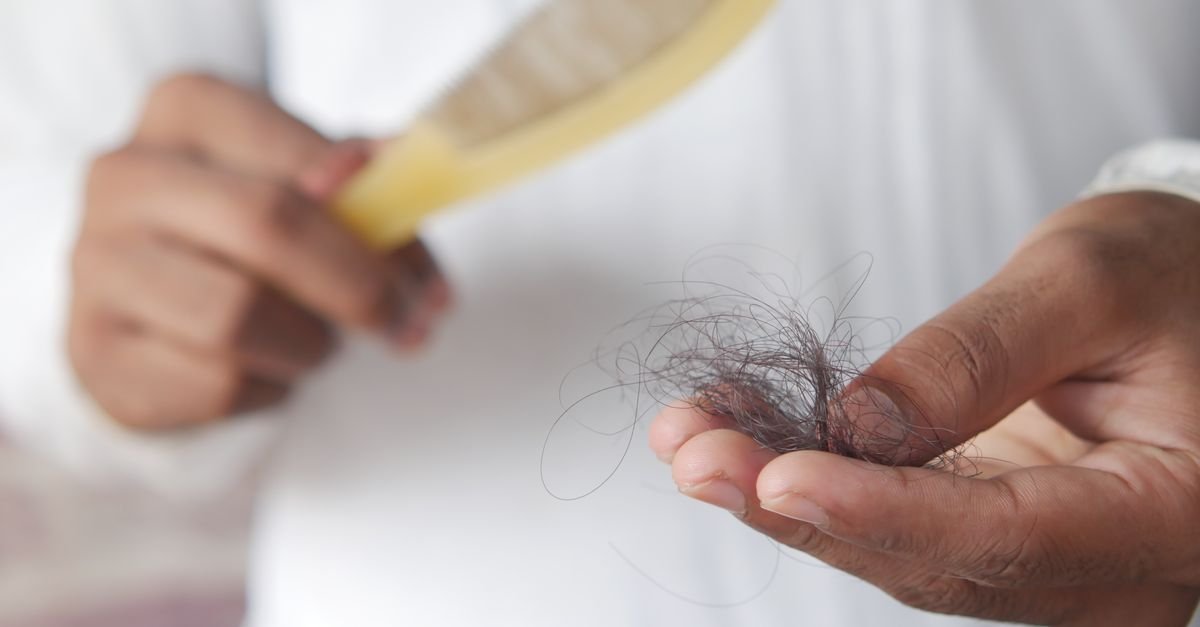
Losing fifty to a hundred hairs a day is within the normal range even outside of seasonal peaks, and during a seasonal shed that number can roughly double for a few weeks. Rather than reacting to a scary-looking clump on the pillow, a more reliable check is a gentle pull test: taking a small section of hair and running fingers through it once, then counting what comes away. More than five or six strands from that single pass on multiple days in a row is a more useful signal than an isolated dramatic morning.
What Actually Helps During a Seasonal Shed
There is no way to stop the cycle itself, since it is a normal biological process, but a few habits support the scalp while it happens.
- Gentle handling: reducing tight hairstyles and rough towel-drying during the shedding weeks limits added breakage on top of the natural shed.
- Scalp massage: a few minutes of massage with a light oil such as argan oil, done a few times a week, supports circulation to the scalp without claiming to stop shedding.
- Balanced diet: adequate protein and iron intake supports the follicles entering their next growth phase, though it will not shorten the current shed.
- Patience with new growth: fine, short hairs appearing along the hairline a few weeks after a shed are usually the new growth cycle starting, not a separate problem.
When more shedding is met with more product rather than patience, the scalp often ends up worse off from over-washing or heavy styling than from the shed itself. Assil Ouargane manufactures natural Moroccan hair care, including argan oil suited to gentle scalp routines, for brands that want to offer honest, well-made products; a private-label quote is available through the website.