
Along Moroccan roadsides in summer, small carts overflow with orange and green fruit wrapped in a spiny skin, which vendors peel with astonishing skill and serve chilled. This is the Barbary fig — « el hindiya » — the cactus fruit that went from humble field hedge to the source of one of the world's most expensive cosmetic oils.
A Tough, Generous Desert Plant
The prickly pear cactus grows in arid and semi-arid zones, withstanding drought and heat with remarkable resilience. Long used in Morocco as a natural fence around fields, it eventually became a crop in its own right. Its fruit ripens in summer, hiding a sweet, juicy pulp dotted with tiny seeds beneath the spiny skin.
Nutrition Worth Noting
- Natural hydration: a high water content makes it the quintessential refreshing summer fruit.
- Fibre: rich in dietary fibre that supports satiety and digestive comfort.
- Vitamins and minerals: vitamin C, magnesium, potassium and natural antioxidants.
- Moderate calories: a reasonably sweet treat compared with typical summer desserts.
As always, this fruit belongs within a balanced diet — it is not a substitute for one.
On the Moroccan Table
Barbary figs are most often eaten fresh and peeled, but they also appear in other preparations: refreshing juices and drinks, distinctive jams, and summer fruit salads. In some regions, even the young cactus pads feature in traditional recipes.
Prickly Pear Seed Oil: The Real Treasure
Behind this modest fruit hides a cosmetic treasure: prickly pear seed oil. The tiny seeds are extracted from the pulp, dried, and cold-pressed; a huge quantity of fruit is needed for a single litre, making it one of the most precious plant oils in the world. The oil is traditionally known for being:
- Rich in vitamin E and essential fatty acids.
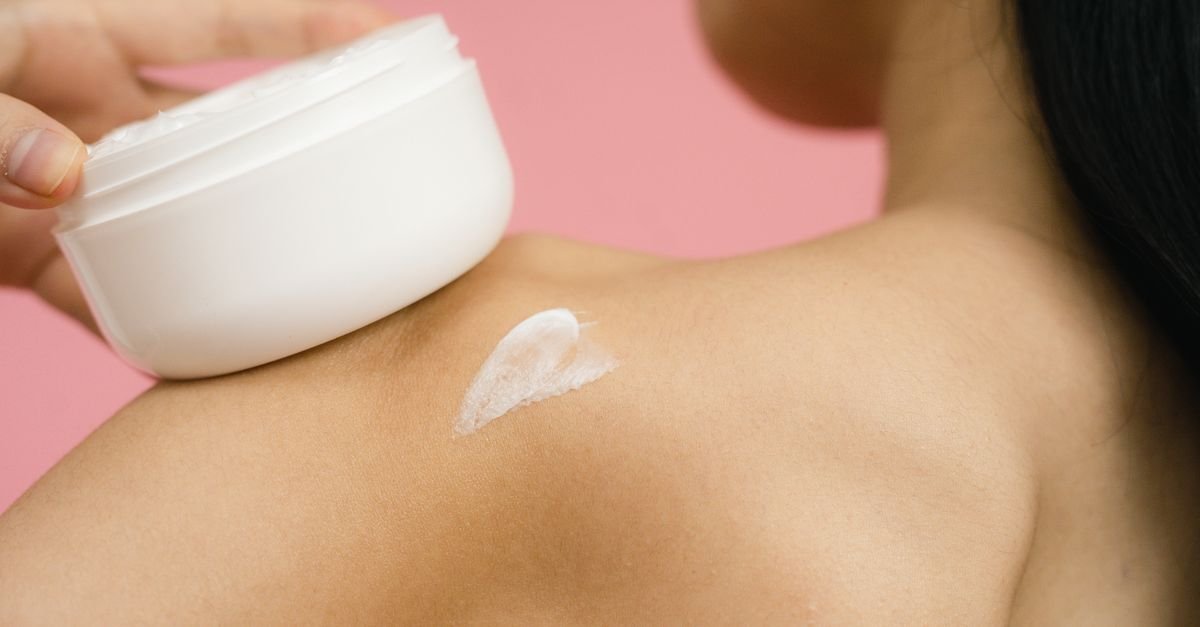
- Potentially helpful for moisturising the skin and supporting its elasticity and firm appearance.
- Light and fast-absorbing, well suited to facial and eye-area care.
This is why it has become a sought-after ingredient in natural formulations addressing visible signs of ageing.
A Promising Opportunity for Brands
With global demand rising for rare natural ingredients backed by authentic stories, the Moroccan Barbary fig — both fruit and oil — offers a distinctive opportunity for food and beauty brands, from juices and jams to premium skincare serums.
Harvest Season and Careful Handling
Barbary figs ripen in the heart of summer, and picking them is a skill of its own: harvesters use long poles or thick gloves to avoid the nearly invisible fine spines covering the skin, then the fruit is carefully brushed or singed to remove them before it ever reaches a market stall. This handling step is part of why fresh Barbary figs are typically sold peeled and ready to eat rather than in their raw, spiny state.
Storing Barbary Fig Products at Home
Fresh fruit is best eaten within a few days, kept cool once peeled. Jams and juices follow standard preserving practices for shelf-stable pantry storage. Prickly pear seed oil, like other precious cosmetic oils, keeps its qualities longest in a dark bottle, away from heat and direct light — the same care worth giving to any cold-pressed natural oil.
Is Barbary fig seed oil suitable for sensitive or acne-prone skin?
Its light, fast-absorbing texture is generally well tolerated, but as with any new oil, a patch test on a small area is the sensible first step before adding it to a full routine, particularly for reactive skin types.
Assil Ouargane, a manufacturer based in Morocco, produces natural products — including precious cosmetic oils — and offers full private-label services for clients in Egypt, Saudi Arabia, the UAE, Kuwait and Europe. Request a quote through our website and let us discuss your next project.