
Few seeds carry a reputation quite like nigella. These tiny, deep-black grains — known as black seed, or « sanouj » in Morocco — have been part of kitchens and traditional wellness practices across the Mediterranean and the Arab world for centuries. Here is what makes them special and how they are used today.
What Is Black Seed?
Black seed comes from Nigella sativa, a flowering plant cultivated across North Africa and Western Asia. The seeds have a slightly peppery, herbaceous flavour, and they are also pressed into an oil used in both food and natural cosmetics.
A Special Place in Tradition
Throughout Arab and Mediterranean cultures, black seed has long been regarded as one of the most treasured seeds. In Morocco, families sprinkle it over bread, blend it with honey, or grind it with olive oil in recipes passed down through generations. That heritage explains why it remains a staple ingredient in natural products today.
Benefits Known from Tradition
An important note first: the points below reflect traditional use, not medical advice.
- General wellness: black seed is traditionally known as a seed that may help support the body's natural defences as part of a balanced diet.
- Seasonal comfort: folk recipes often combined it with honey during colder months.
- Skin and hair care: its oil appears in natural formulations that may help moisturise the skin and nourish the scalp.
- Distinctive flavour: beyond wellness, it adds character to breads, cheeses and salads.
How It Is Used Today
In food
Whole seeds are scattered over breads and savoury pastries; ground seeds are mixed into honey. Black seed oil is taken in small amounts as a natural supplement — ideally after consulting a professional for regular use.
In personal care
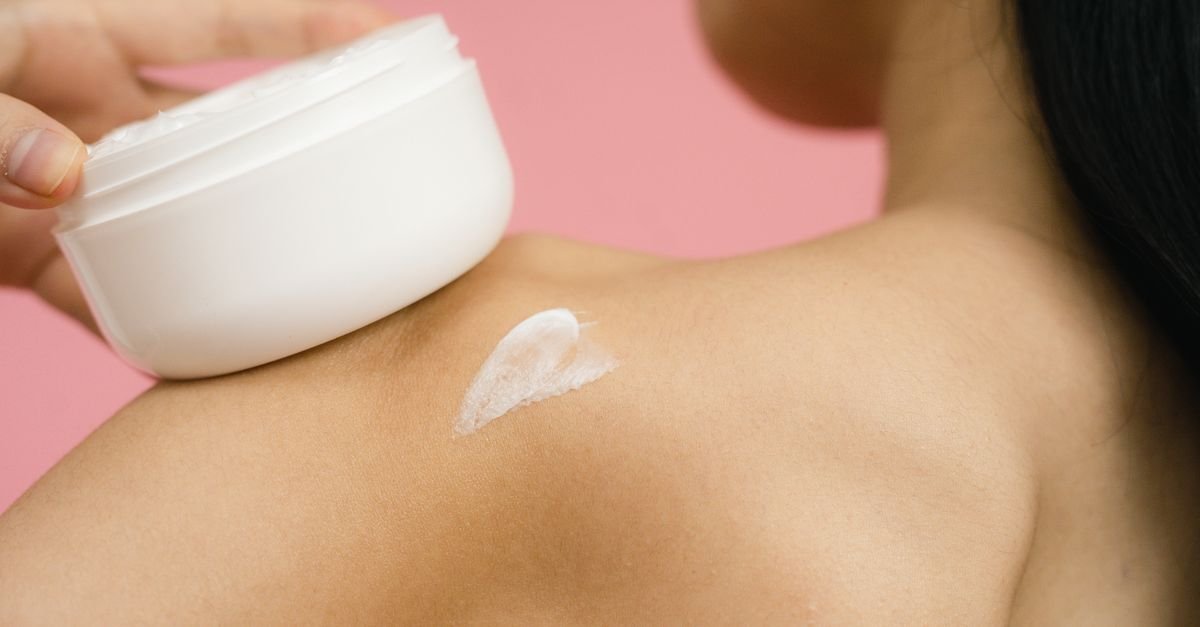
Black seed oil enriches natural soaps, hair oils and moisturising creams. In Moroccan formulations it is often paired with argan oil or olive oil.
What Defines Good Quality?
Quality comes down to seed purity, the extraction method (cold pressing is preferred for the oil), and storage away from light and heat. That is why sourcing from a trusted producer with transparent standards matters.
Whole Seeds or Oil: Which Form Is Right for You?
Whole black seeds keep their natural texture and are easy to sprinkle over food, but they release their full flavor and content only when crushed or chewed. Cold-pressed oil is more concentrated and convenient for cosmetic blending or small dietary servings, but it is also more sensitive to storage conditions than the whole seed. Neither form is inherently better — the choice depends on whether you are cooking, formulating a product, or taking it as an occasional supplement.
A Word on Combining It Safely
Black seed oil is often blended with other natural oils such as argan or olive oil in both food and cosmetic recipes, and this combination is generally well tolerated. As with any concentrated natural oil taken internally, moderation matters, and anyone who is pregnant, breastfeeding, or taking regular medication should check with a healthcare professional before adding it to their routine on a regular basis.
Does black seed have a strong taste?
Yes — its flavor is distinctive, somewhere between pepper and oregano, which is why it is usually used in small amounts rather than as a main ingredient.
At Assil Ouargane, a Moroccan manufacturer of natural products, we combine traditional know-how with modern quality standards, and we offer private-label manufacturing for brands in Egypt, Saudi Arabia, the UAE, Kuwait and Europe. Thinking about launching a product built on black seed or other natural ingredients? Request a quote through our website — we would be glad to help.