
Anyone passing a Moroccan eucalyptus grove on a warm day is greeted by an unforgettable wave of sharp freshness. The eucalyptus tree, which arrived in Morocco over a century ago and spread through its forests and plains, is no longer just an imported species: it has become part of the Moroccan landscape, memory and tradition — from hammam steam to essential oil drops and honey.
A Tree That Found a Second Home
Eucalyptus is a fast-growing evergreen whose silvery-green leaves are rich in powerful aromatic oils. Widely planted in Morocco for reforestation and windbreaks, it adapted to the climate; its groves became familiar across many regions and a source of varied natural products.
Traditional Uses in Moroccan Homes
Moroccan tradition embraced this tree quickly. Among its inherited uses — folk practices, not medical prescriptions:
- Steam inhalation: boiling eucalyptus leaves and breathing the steam is a common winter habit, traditionally associated with a feeling of open, refreshed breathing.
- In the hammam: eucalyptus branches are placed in the steam to scent the space and create a sense of purity.
- Scenting the home: dried branches are hung, or leaves boiled, to freshen the air in rooms.
The Essential Oil: Concentrated Freshness
Steam distillation of eucalyptus leaves yields an essential oil rich in cineole, a compound well documented in aromatic-plant research. This oil features in many products:
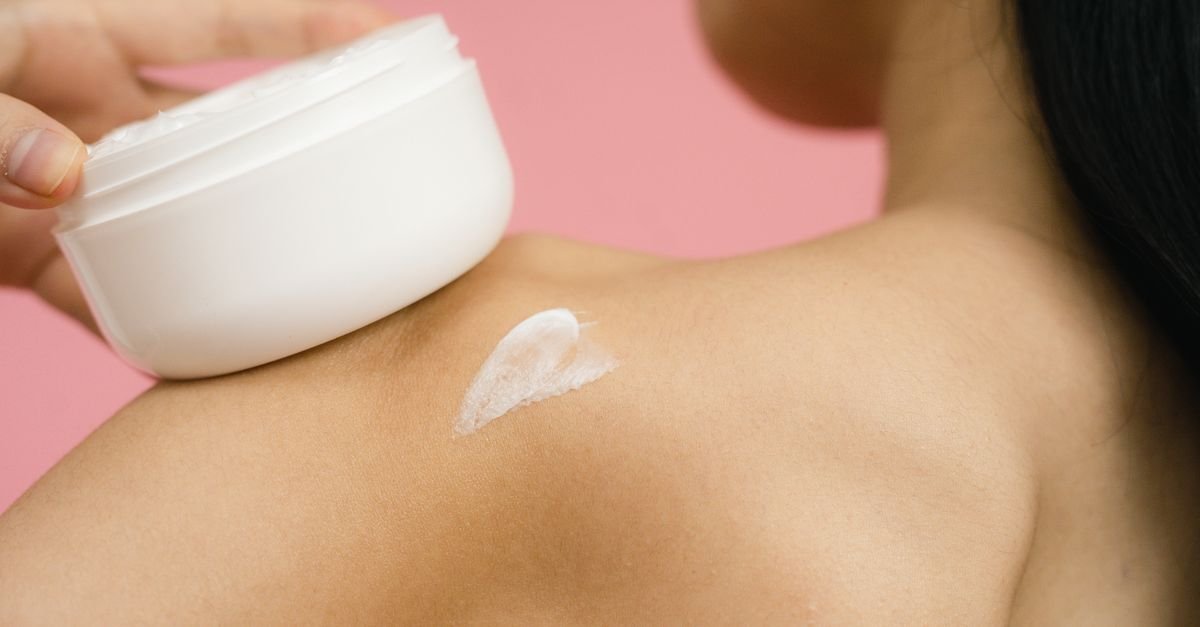
- Massage blends diluted in carrier oils.
- Refreshing bath products and soaps.
- Natural home fragrances.
- Scalp-care preparations at measured concentrations.
Essential oil should always be used diluted and in moderation; professional advice is recommended for children and during pregnancy.
Eucalyptus Honey: The Taste of the Forest
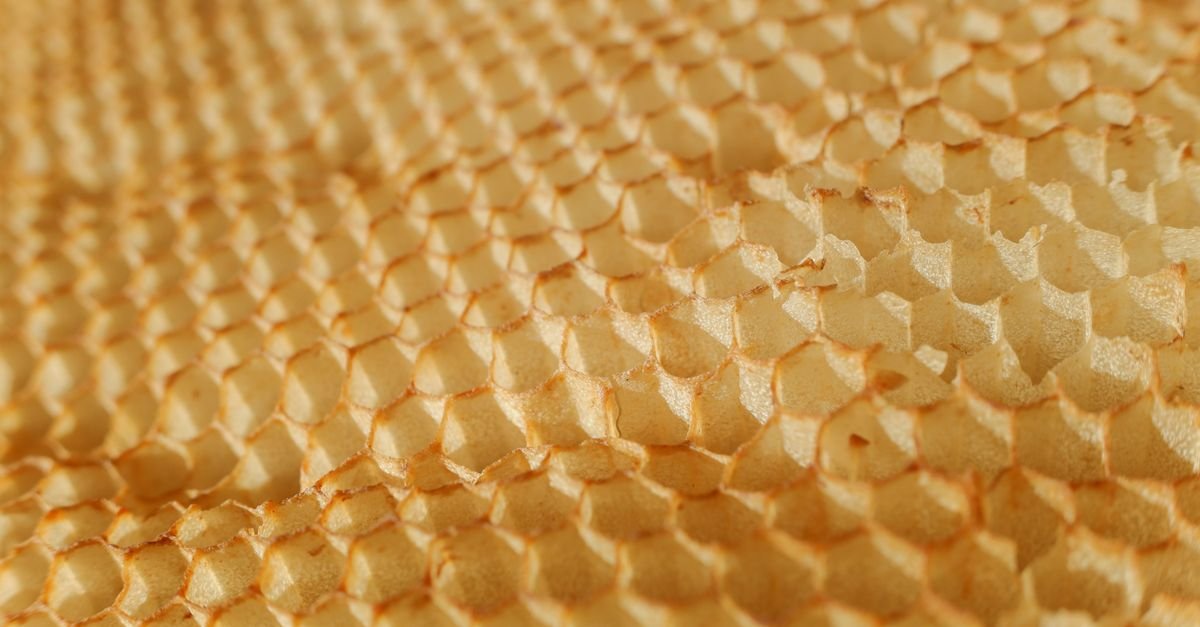
Eucalyptus trees flower generously, and bees turn their nectar into a distinctive dark honey with a bold flavour and a faint cooling note. Moroccan eucalyptus honey is widely popular — especially in winter — and ranks among the most available and appreciated honeys on the local market.
Eucalyptus and Beekeeping: A Practical Partnership
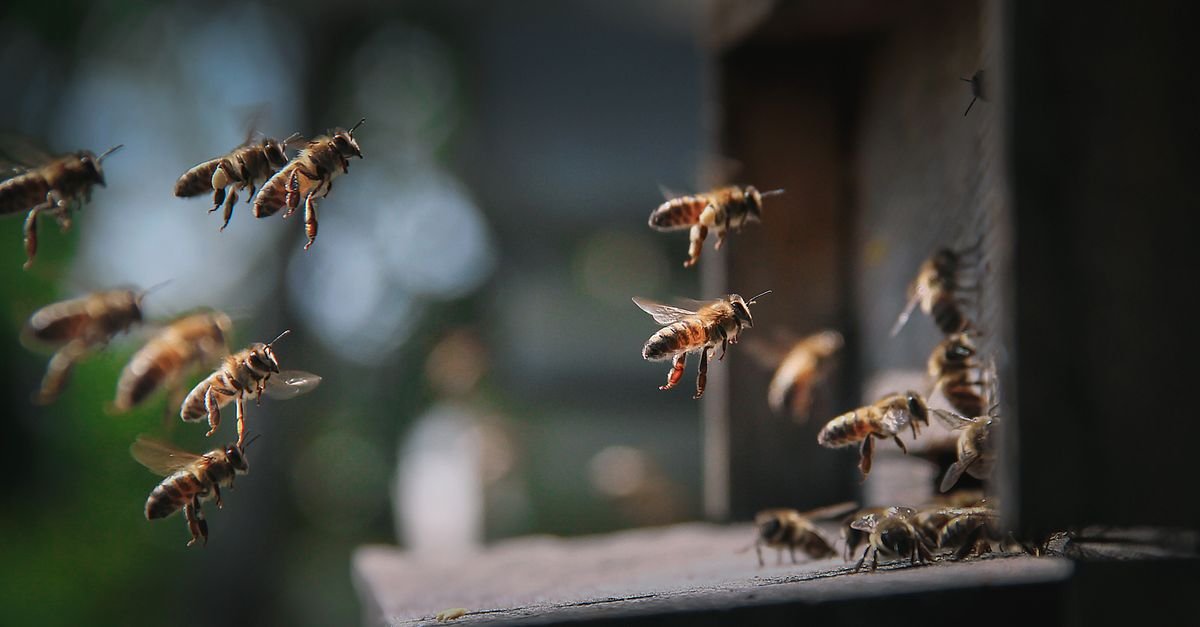
Beyond its use in the home, eucalyptus plays a quiet but important role in Morocco's beekeeping economy. Because the trees flower reliably and over a long season, beekeepers often position hives near eucalyptus groves to give their colonies a dependable nectar source when other plants are between blooms, which helps stabilize honey production through the year.
A Tree That Also Divides Opinion
Not every reaction to eucalyptus is positive. Some foresters and ecologists note that large eucalyptus plantations can draw heavily on groundwater and offer less biodiversity value than native tree species. This is part of why many contemporary planting projects in Morocco increasingly favor mixed and native species alongside eucalyptus rather than large single-species plantations.
Practical Tips for Using Eucalyptus Safely at Home
- Always dilute eucalyptus essential oil in a carrier oil before applying it to skin; never apply it undiluted.
- Keep essential oil away from the eyes, and out of reach of young children.
- When steaming leaves for inhalation, keep a comfortable distance from the hot water to avoid burns, and limit sessions to a few minutes.
- Check with a healthcare professional before using eucalyptus preparations during pregnancy or with young children.
From Tree to Modern Product
Today, eucalyptus finds its way into contemporary products: invigorating bath salts, scented candles, massage oils, natural soaps and room sprays. Its Moroccan story and beloved scent make it an attractive ingredient for any wellness brand.
If you are planning a natural product line involving aromatic oils, honey or hammam preparations, Assil Ouargane in Morocco offers high-quality manufacturing and private-label services for Arab and European markets. Request a quote through our website and start your project with confidence.