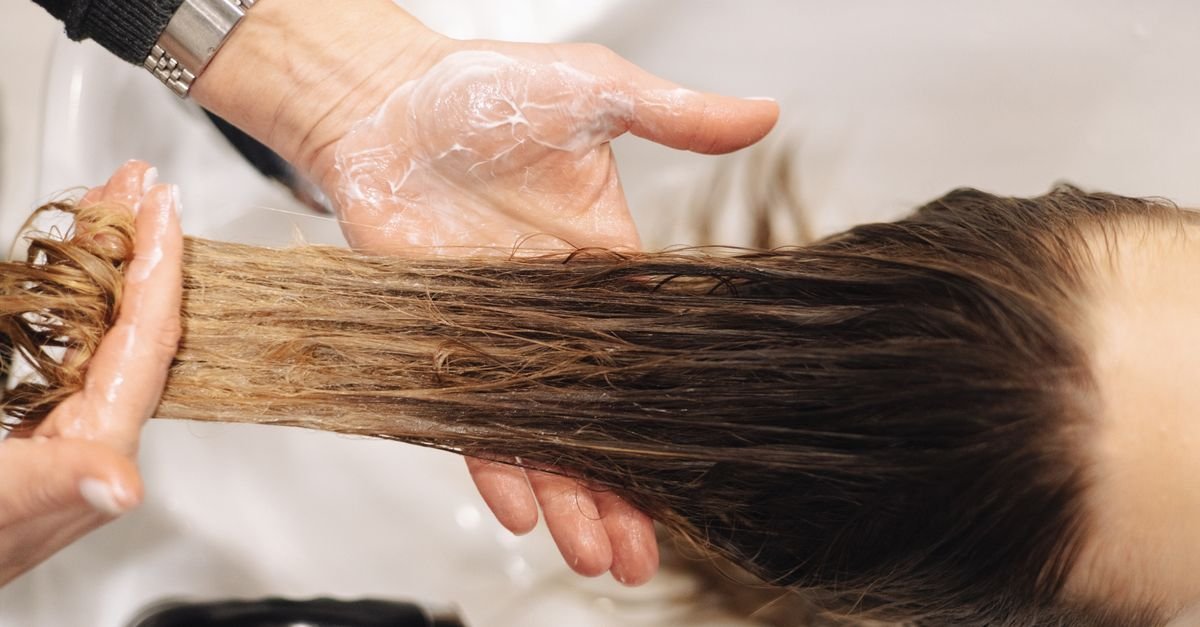

Short broken hairs on your pillow, splitting ends in your brush, hair that seems to get shorter even though you never cut it? That is breakage: the strand snapping somewhere along its length — a completely different problem from shedding at the root. The distinction matters, because each has its own causes and its own fixes.
Breakage or Shedding? Know the Difference First
A hair shed from the root carries a tiny white bulb at one end and is roughly the full length of your hair. A broken hair is short, cleanly snapped, with no bulb. If most of what you find is the second kind, the problem lies in the hair shaft itself — and this article is for you.
Mechanical Causes: The Silent Daily Enemy
- Rough brushing: especially on dry, tangled hair, or with a harsh-bristled brush.
- Tight hairstyles: the same high ponytail, day after day, shears hair at the tie point.
- Friction: coarse cotton pillowcases, vigorous towel-rubbing, collars and scarves.
- Metal accessories: elastic bands with metal joints and sharp-edged clips.
Chemical and Heat Causes
Repeated colouring, bleaching and chemical straightening break the bonds inside the strand, leaving it brittle enough to snap under the slightest tension. A daily flat iron at high heat slowly evaporates the water inside the fibre. The answer is not total abstinence but smarter habits: space out sessions, lower temperatures, and never stack two chemical treatments close together.
Do Not Forget What Happens on the Inside
Hair is built from protein, and a diet short on protein, iron or certain vitamins can show up as weak, fragile strands. Aim for a balanced diet rich in protein and vegetables — and if fragility persists despite good external care, seeing a doctor is the wise next step to rule out internal causes.
The Repair Plan: Six Realistic Steps
- Trim the damaged ends; no product can truly weld a split end back together.
- Adopt a weekly oil bath with Moroccan argan oil, traditionally valued for softening and restoring the look of stressed hair.
- Detangle gently on damp, conditioned hair, working from the ends upward.
- Swap the rough towel for a cotton t-shirt and the cotton pillowcase for satin.
- Cut back on heat and colour for at least three months, and watch the difference.
- Rotate where you tie your hair and switch to soft silk scrunchies.
With patience and consistency, hair gradually regains its healthy look as strong new growth comes in.
Choosing Tools That Protect Your Hair
Beyond habits, the tools themselves matter for how much mechanical stress your hair endures every day.
Smarter Tool Choices
- A wide-tooth comb or a brush with rounded, flexible bristles causes far less snapping than a fine-tooth comb dragged through dry, tangled hair.
- Seamless, smooth hair ties reduce the friction that a rough elastic creates at the same spot every day.
- A microfiber towel or an old cotton t-shirt absorbs water more gently than a terry towel, which can rough up the hair's outer layer.
- Heat-protectant sprays create a buffer between styling tools and the hair shaft, though they work best alongside lower heat settings, not as a substitute for them.
Frequently Asked Questions
Does trimming hair regularly prevent breakage?
Regular trims remove already-split ends before they travel further up the strand, which helps limit how much breakage spreads, though trimming alone will not fix damage happening elsewhere on the hair shaft.
Can breakage affect just one section of the head?
Yes — breakage often concentrates where mechanical stress is highest, such as around the hairline, at a ponytail's tie point, or wherever hair rubs against clothing or bedding most.
How soon can I expect to see improvement?
Because hair grows slowly, most people need a few months of consistent gentler habits before new, undamaged growth becomes noticeably visible.
Assil Ouargane, a manufacturer in Morocco, produces natural oils and nourishing hair care, and puts its expertise at the service of brands through private-label manufacturing. Request a quote through our website.