
Ramadan has a rhythm all of its own: long hours without food or water, late nights and shifted sleep, and generous tables where eating habits change completely. While everyone is absorbed in the spiritual and social dimensions of the holy month, hair sometimes sends its own signals: dryness, dullness, perhaps a little more shedding than usual. The good news is that a few smart habits will keep your hair vibrant all month long.
Why Does Hair React to Fasting Months?
- Reduced hydration: long hours without water affect the whole body's moisture balance — scalp and hair included.
- Changed eating patterns: sweets and fried foods can crowd out the protein and vegetables hair depends on.
- Disrupted sleep: late nights and fragmented rest raise the body's fatigue, which can echo through the hair cycle.
Reassuringly, these effects are temporary and easy to counter with a little planning.
The Golden Water Rule: Spread It Out, Do Not Pile It Up
Drinking two litres in one go at iftar tires the body without truly hydrating it. Far better to stagger: a glass at iftar, several spaced glasses through the evening, and one or two at suhoor. Steady hydration from within means a less dry scalp and less dry hair.
A Hair-Friendly Suhoor and Iftar
Put your table to work for your hair:
- Protein at every meal: eggs, dairy or legumes at suhoor; meat or fish at iftar.
- Morocco's healthy fats: a spoonful of amlou, culinary argan oil or olive oil at suhoor supplies fatty acids your hair and skin will thank you for.
- Dates, nuts and fresh fruit: nature's sweets, rich in minerals — a wiser choice than an excess of processed desserts.
- Soups and vegetables: extra hydration and vitamins in a single dish.
An External Routine Matched to the Month's Rhythm
Lighten, do not burden
Ramadan is no time for harsh experiments: moderate washing with a gentle shampoo, sensibly spaced, and heat tools kept to a minimum.
The overnight oil bath: the faster's friend
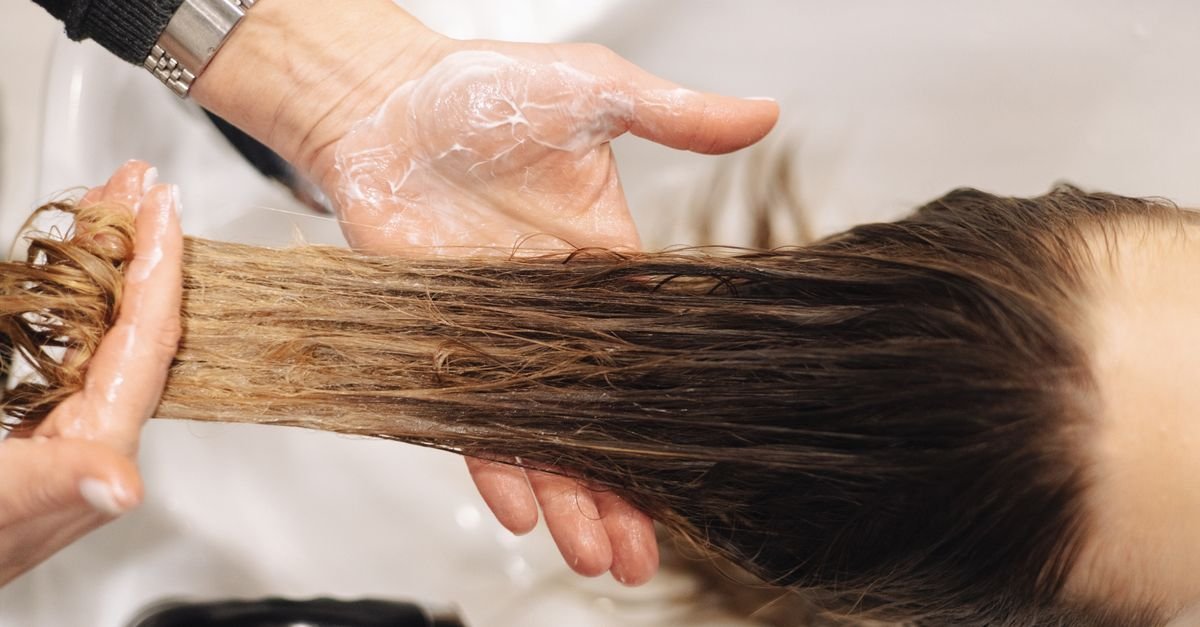
Ramadan nights are long and lively — use them: once a week, work argan oil through your lengths and ends before sleep, protect with a satin wrap, and wash in the morning. This oil, traditionally renowned for nourishing hair, replaces part of the moisture lost through the day.
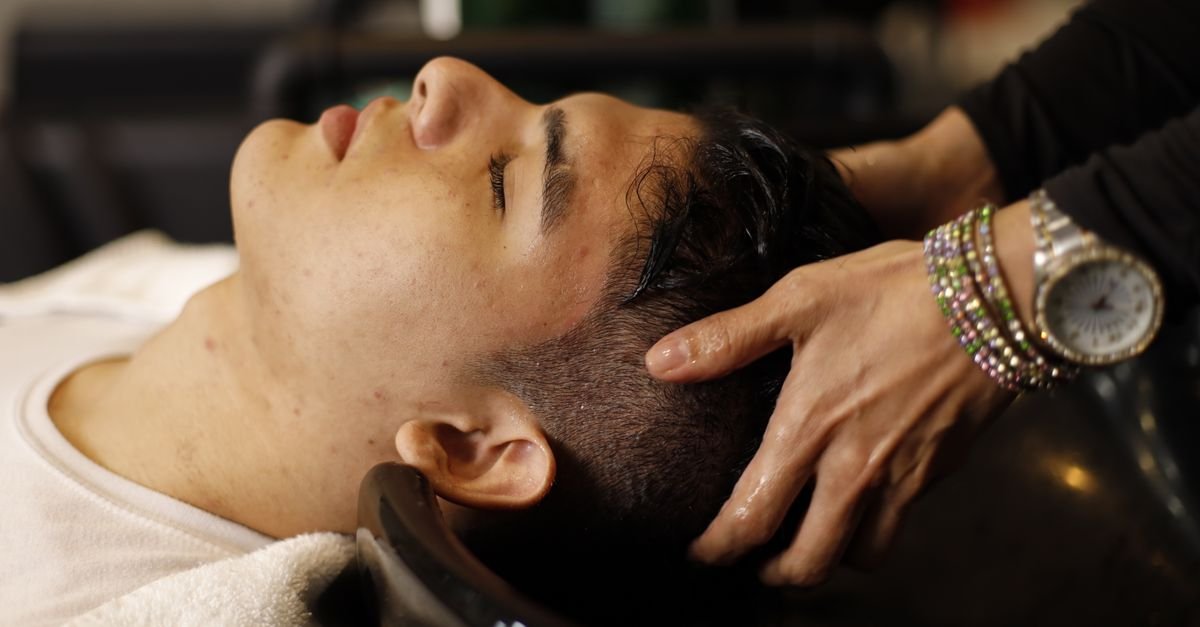
A few minutes of scalp massage
A simple habit that stimulates circulation and offers well-earned relaxation after a long day, with or without a few drops of oil.
What About Hair Shedding in Ramadan?
You may notice slightly more shedding as diet and sleep shift; it is usually temporary and settles once your normal rhythm returns. If shedding is heavy or continues well beyond the month, have a doctor check your iron, vitamin D and related levels.
That is how the month's spirituality and calm, careful hair care can go hand in hand. If you are looking for pure argan oil, amlou, honey and natural products for both the Ramadan table and the beauty routine, Assil Ouargane manufactures them in Morocco to a high standard, and offers private-label manufacturing services. Request a quote through our website.