
Pregnancy changes a thousand details in your body — and your hair is among the most visible. Some mothers-to-be discover unprecedented volume and shine; others complain of oily roots or sudden dryness. The key question becomes: what is best to use now, and what is best to postpone? Here is a calm, reassuring guide.
What Happens to Your Hair
During pregnancy, hormones extend the hair's growth phase: daily shedding slows and the mane looks fuller. At the same time, the scalp may change character — oilier for some women, drier and more sensitive for others. These are entirely natural shifts that call for adjusting your routine, not for worry.
The Guiding Principle: Simplicity
The golden rule for this season is to simplify and lean toward products with short, natural ingredient lists:
- A gentle shampoo free of harsh sulphates and heavy fragrance.
- A hydrating conditioner for mid-lengths and ends.
- A pure plant oil for nourishment, such as Moroccan argan oil, traditionally appreciated for its mildness and vitamin E content.
And since the sense of smell often sharpens in pregnancy, you will appreciate lightly scented or fragrance-free products.
Colour and Chemical Treatments: What About Timing?
This is the question expecting mothers ask most. The general tendency among many doctors is to hold off during the first months and to prefer techniques that avoid contact with the scalp — such as highlights — in a well-ventilated space. Strong chemical straighteners are better postponed. Every pregnancy is unique, so the final word always belongs to your own doctor: ask before any chemical treatment, and proceed with peace of mind.
A Suggested Weekly Routine
- Twice a week: a gentle wash with mild shampoo and hydrating conditioner.
- Once a week: a warm argan oil bath or a nourishing natural mask for thirty minutes before washing.
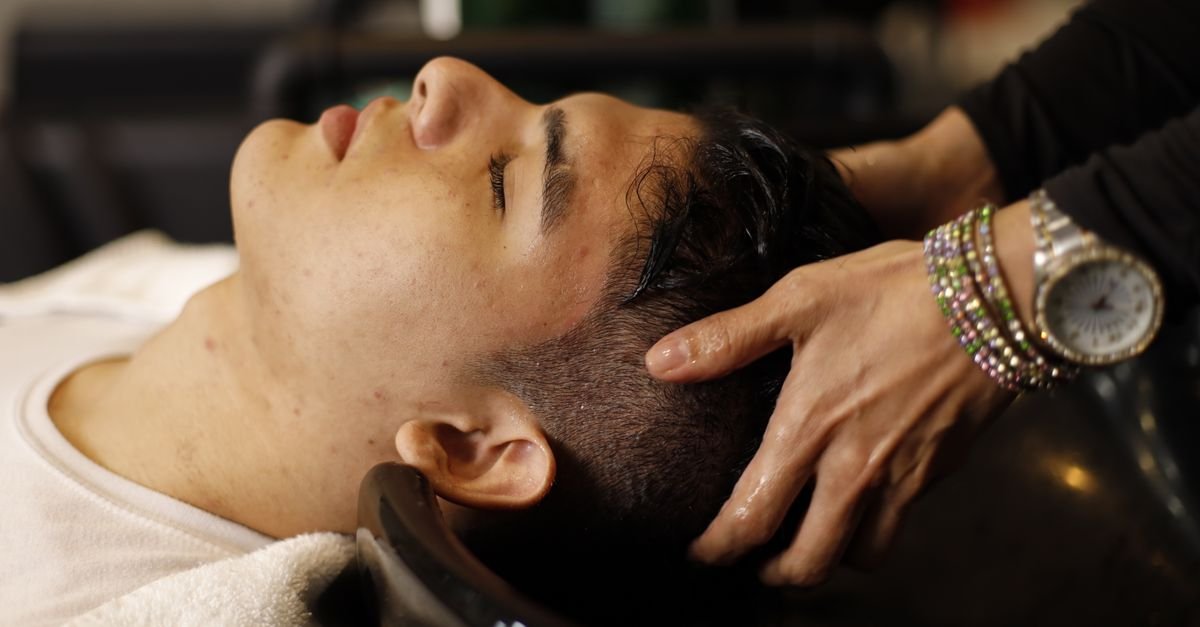
- Daily: a few minutes of soft fingertip scalp massage and calm detangling with a wide-tooth comb.
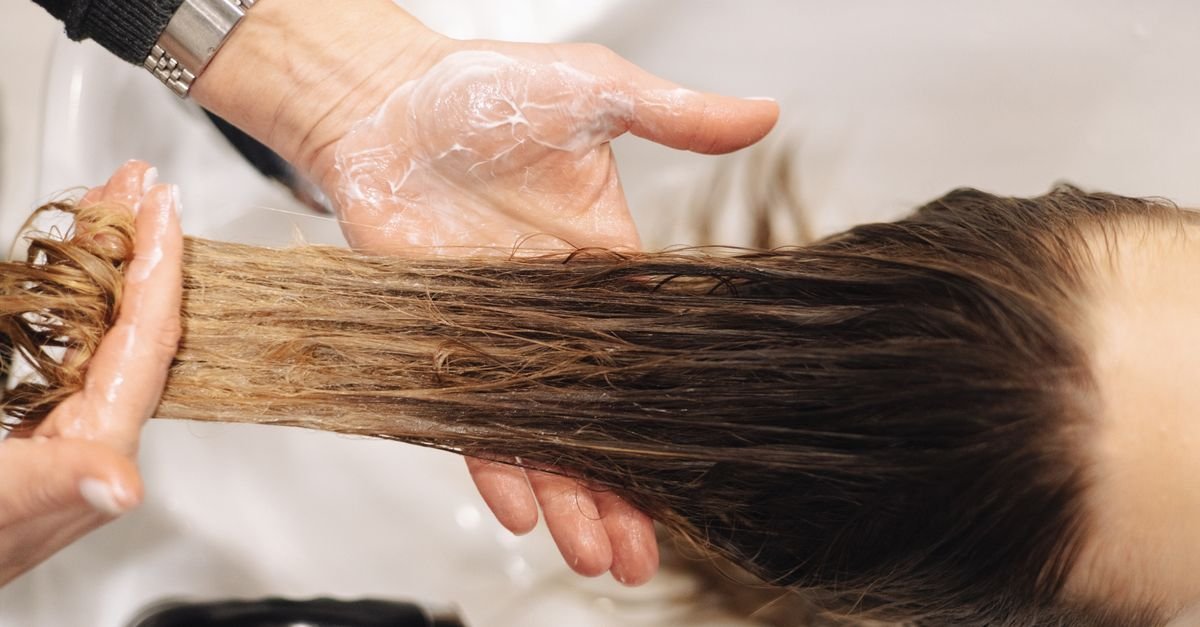
If tipping your head back at the salon basin makes you dizzy, wash your hair standing in the shower with lukewarm water and keep sessions short and comfortable.
Hair Nutrition Starts on Your Plate
Your needs for protein, iron and vitamins rise during pregnancy, and your hair benefits from every balanced meal: eggs, legumes, well-cooked fish, leafy greens and nuts. Stick to the supplements your doctor prescribed, and add nothing on your own initiative.
Enjoy that generous pregnancy hair — and remember that some shedding after birth is normal and temporary.
What to Expect After Birth
Many mothers notice a wave of shedding a few months after delivery, once hormone levels return closer to their pre-pregnancy state. The extra strands gained during pregnancy that were held in the growth phase longer than usual now cycle out together, which can feel alarming but is a completely normal, temporary phase.
Gentle Habits for the Postpartum Months
- Keep the same simplified, gentle routine you used during pregnancy rather than introducing several new products at once.
- Continue the weekly oil treatment; it will not stop the shedding, but it can help the hair feel and look better while it passes.
- Be patient with styling — hair may feel thinner or behave differently for a few months before settling into a new rhythm.
Frequently Asked Questions
Is it safe to dye hair while breastfeeding?
This is a personal and medical question best discussed directly with your doctor, since guidance can depend on your individual situation.
Why does my hair feel different in texture during pregnancy?
Hormonal shifts can temporarily change how the hair shaft behaves, making naturally straight hair look wavier or curly hair feel different; this usually settles again after pregnancy and breastfeeding.
Should I stop using my regular shampoo if it worked well before pregnancy?
Not necessarily — if a product remains gentle and comfortable, there is often no need to change it. Simplification matters more when a scalp becomes newly sensitive or reactive.
Assil Ouargane, a Moroccan manufacturer of gently formulated natural care, also supports brands with private-label manufacturing. Visit our website to request a quote.