Thousands of years before chemical dyes existed, henna was colouring and adorning women's hair from North Africa to India. In Morocco especially, henna holds a festive, deeply rooted place in the culture. But it is more than colour: henna is a full treatment that coats the strand, thickens its feel and gives a distinctive shine. Here is its complete guide.
What Henna Does to Your Hair
Ground henna leaves contain a natural pigment that bonds with the hair's keratin and wraps each strand in a protective veil. The traditionally recognised result: warm coppery tones that vary with your base colour, a denser feel, healthy shine and a refreshed scalp. One essential fact: natural henna adds colour but never lightens — it contains no bleaching agents.
Choosing Your Henna: Details Matter
- One-hundred-percent pure henna: a fine olive-green powder with a herbal scent and no additives.
- Beware of opaque blends: some commercial powders contain metallic salts or synthetic dyes that can react badly with chemical colour and damage hair. Always read the ingredient list.
- Fine milling: the finer the powder, the easier the application and rinse.
Preparing the Paste, Step by Step
- Place the right amount for your hair length in a non-metallic bowl.
- Add warm water gradually, stirring, until you reach a yoghurt-like consistency.
- Cover and let the paste rest for several hours or overnight so the pigment releases.
- Just before applying, stir in a spoon of Moroccan argan oil: it softens the paste, eases rinsing and guards against possible dryness.
Application and Rinsing
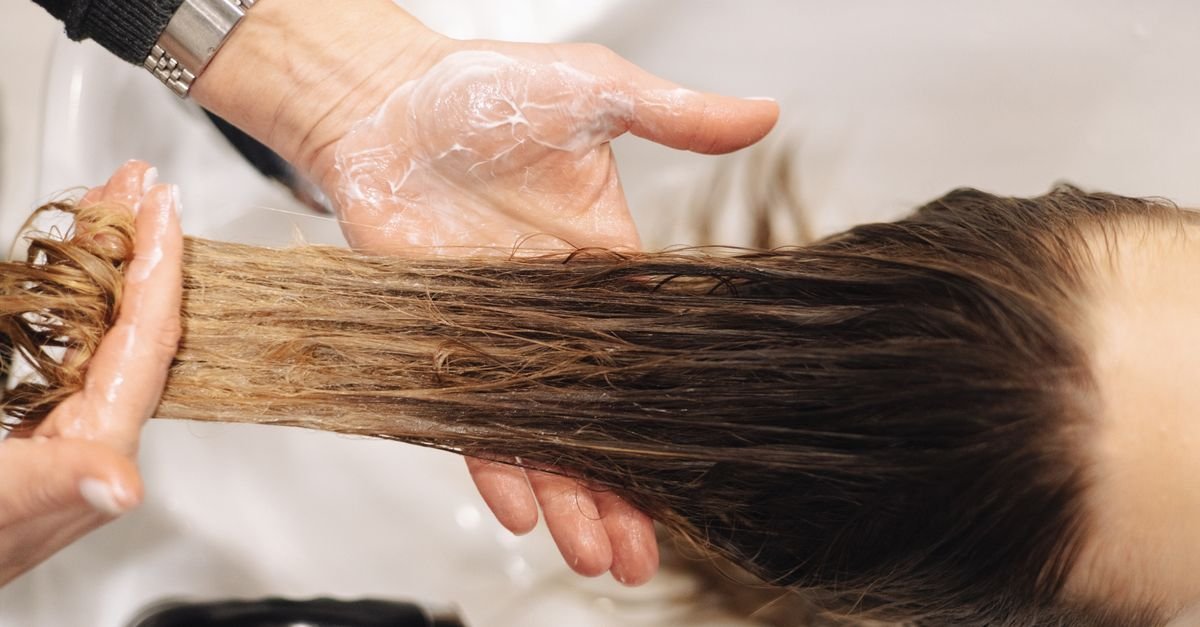
Apply to clean, damp hair, section by section, roots to ends, wearing gloves. Wrap the hair in plastic and leave the henna on for two to four hours depending on the depth of colour you want. Rinse with water alone until it runs clear, and save the shampoo for the next day so the colour can set — expecting the tone to deepen and settle over two to three days.
Caring for Hair After Henna
- Henna can be drying for some hair types; a weekly argan oil bath restores the balance.
- Space out full applications and refresh only the roots in between.
- If you are considering chemical colour after henna, consult a professional stylist and do a strand test first.
Who Is Henna For?
For anyone wanting warm, natural tones without ammonia or oxidising agents, for those seeking body and shine, and for covering greys with beautiful coppery shades. If you want hair lighter than your natural colour, however, henna is not the way there.
Henna is a Moroccan and global beauty heritage that deserves to be delivered at the highest quality. Assil Ouargane, a manufacturer in Morocco, produces natural hair care and offers private-label manufacturing for brands seeking authenticity. Request a quote through our website.