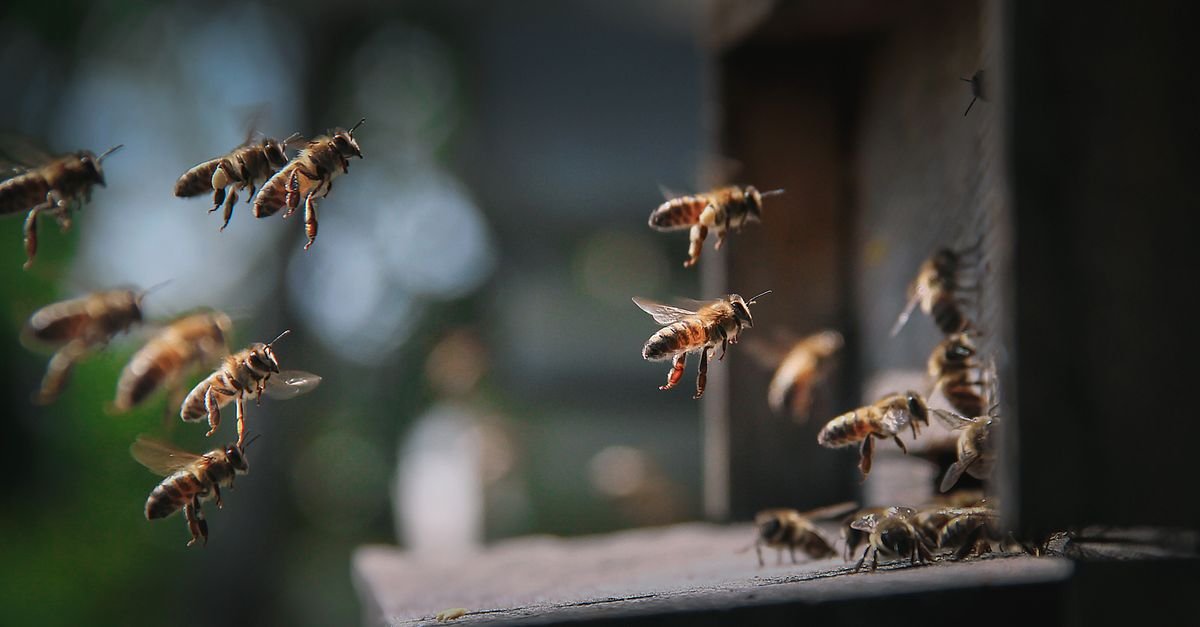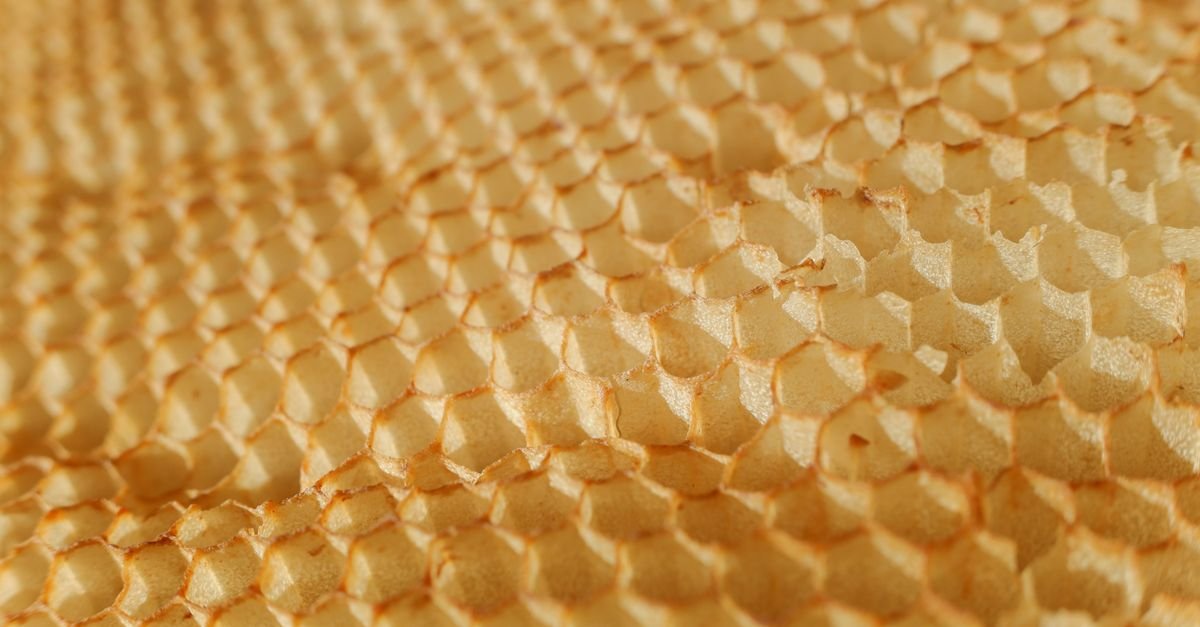

When the snow melts on the Atlas peaks and the valleys burst into bloom, Moroccan beekeepers know their season is near. Thanks to its diverse landscapes and climates — high mountains, coastal plains, desert oases — Morocco offers bees a succession of flowerings throughout the year, producing one of the region's richest honey maps.
An Ancient Beekeeping Tradition
Moroccans have kept bees for many centuries. Some mountain villages still maintain traditional hives made from hollowed logs or woven reeds coated with clay, lined up in collective apiaries managed by families across generations. These traditions have not disappeared; they now coexist with modern frame-hive beekeeping.
Harvest Seasons: Every Flower Has Its Moment
There is no single harvest season in Morocco, but several, following each region's blooms:
- Spring: wildflower and citrus honeys in the plains, when the orange groves fill the air with scent.
- Late spring and summer: thyme and mountain herbs in the Atlas, along with lavender and rosemary.
- Summer and autumn: euphorbia (daghmous) and jujube (sidr) in the southern regions — among Morocco's most treasured honeys.
This succession lets migratory beekeepers move their hives from region to region, chasing the bloom.
How the Harvest Happens
In modern beekeeping, harvesting follows careful steps that respect both the bees and the honey:
- The beekeeper inspects the frames and takes only wax-capped combs — the sign that honey is ripe and at the right moisture level.
- Gentle smoke calms the bees while the hive is opened.
- The frames go to the extraction room, where the wax cappings are removed.
- They are placed in a centrifugal extractor that spins the honey out without breaking the combs.
- The honey is strained of wax particles and packed without high heat to preserve its natural qualities.
A golden rule among responsible beekeepers: always leave the colony enough honey stores to survive the winter.
Morocco's Famous Honeys
Botanical diversity translates into remarkably varied honeys: bold mountain thyme, daghmous with its unique peppery finish, dark and precious sidr (jujube), carob, light and delicate citrus, and eucalyptus. Each has its own color, texture, aroma, and devoted followers.
Quality Starts at the Apiary
A honey's true quality is built long before bottling: healthy colonies, clean harvesting equipment, controlled moisture, and proper storage away from heat and light. These standards are what set trustworthy natural honey apart in the market.
Recognizing Authentic Raw Honey
Buyers new to Moroccan honey sometimes assume liquid, crystal-clear honey is the "purest" version, but the opposite is often true. A few simple characteristics help tell a genuine, minimally processed honey from a mass-market blend.
Crystallization Is Normal, Not a Flaw
Raw honey naturally turns cloudy and grainy over time as its natural sugars crystallize, especially in cooler months. This is a sign of minimal processing, not spoilage. A gentle warm-water bath (never direct heat or boiling) can return it to a liquid state without damaging its qualities.
Texture and Aroma Follow the Flower
Because Moroccan honey comes from so many different blossoms, thickness, color, and aroma vary widely and consistently within each variety — thyme honey is bold and amber, citrus honey is pale and light, sidr honey is dark and dense. Wide, unexplained variation within the same labeled variety, batch to batch, is worth questioning.
Storing Honey at Home
Good honey deserves good storage. A few habits protect both flavor and texture for years:
- Keep the jar tightly sealed and away from direct sunlight and heat sources.
- Use a dry spoon each time; moisture introduced into the jar can encourage fermentation over time.
- Avoid refrigeration — cold speeds up crystallization without any benefit.
- Store at room temperature in a cool, dark cupboard for the best shelf life.
Assil Ouargane works with trusted beekeepers across Morocco to supply authentic natural honeys, with testing, packing, and private-label services. To request a quote for your brand, contact us through our website.